
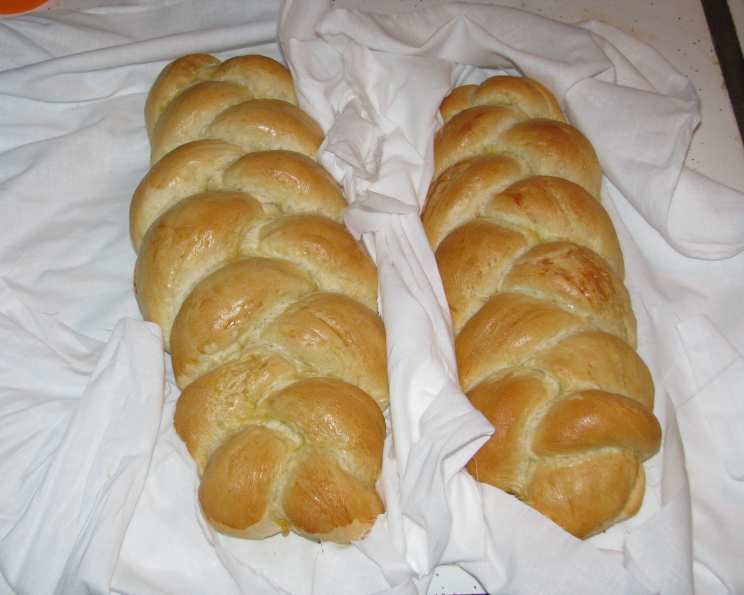
The Baker’s Secret: Crafting Bread Flour at Home
The scent of freshly baked bread has always been a comfort. Growing up, my grandmother, a woman of incredible resourcefulness, seemed to conjure loaves out of thin air. I remember watching her, mesmerized, as she kneaded dough with her strong hands, a slight furrow in her brow as she tested its elasticity. Back then, access to specific flours wasn’t always a given, and she had a knack for making do with what she had. She taught me the value of understanding ingredients and how to manipulate them to achieve the desired results. This recipe is a direct descendant of that homespun ingenuity – a simple, yet effective way to create bread flour from pantry staples.
Recipe Overview
- Prep Time: 5 minutes
- Cook Time: 0 minutes
- Total Time: 5 minutes
- Yields: 1 cup
- Serves: 1
- Dietary Type: Vegetarian
Ingredients
- 1 teaspoon vital wheat gluten
- 1 cup all-purpose flour
- Optional: whole wheat flour, for binding (no more than ½ tsp – 1 tsp)
Equipment Needed
- Mixing bowl
- Sifter (optional)
Instructions
-
In a mixing bowl, sift together the vital wheat gluten and all-purpose flour. Sifting is optional, but it helps to ensure even distribution of the gluten throughout the flour, leading to a more consistent bread flour substitute.
-
If desired, add a small amount of whole wheat flour (no more than ½ teaspoon to 1 teaspoon per cup of all-purpose flour). The whole wheat flour provides a subtle nuttiness and adds a bit of weight to the flour mixture, which can improve the texture of certain breads and pretzels. It also adds some additional fiber.
-
Whisk or stir the ingredients together thoroughly until the vital wheat gluten is evenly dispersed throughout the all-purpose flour. There should be no visible clumps of gluten remaining.
-
Your homemade bread flour substitute is now ready to use in your favorite recipes.
Expert Tips & Tricks
-
Proper Mixing is Key: Ensuring the vital wheat gluten is evenly distributed is crucial. Uneven distribution can lead to inconsistent results in your baked goods, with some parts being too chewy and others not developing enough structure.
-
Adjusting for Humidity: Depending on your climate, you might need to adjust the amount of all-purpose flour slightly. If your kitchen is particularly humid, start with a slightly smaller amount of all-purpose flour and add more as needed until you achieve the desired consistency.
-
Bulk Preparation: This recipe is easily scalable. If you frequently bake bread, consider making a larger batch of the bread flour substitute and storing it in an airtight container. Just remember to maintain the 1 teaspoon of vital wheat gluten to 1 cup of all-purpose flour ratio.
-
Gluten Quality Matters: The quality of the vital wheat gluten can affect the final result. Look for a reputable brand that produces a fine, light-colored gluten.
-
Experiment with Flour Types: While all-purpose flour is the standard base, consider using a blend of flours. For instance, you could use ¾ cup of all-purpose flour and ¼ cup of spelt flour for added flavor and texture.
Serving & Storage Suggestions
Your homemade bread flour substitute can be used immediately in any recipe that calls for bread flour. Store any unused portion in an airtight container in a cool, dry place. Properly stored, it will last as long as the expiration date of your all-purpose flour. There is no need to refrigerate or freeze it.
Nutritional Information
| Nutrient | Amount per Serving | % Daily Value |
|---|---|---|
| Calories | 455 kcal | 23% |
| Total Fat | 1.2 g | 2% |
| Saturated Fat | 0.2 g | 1% |
| Cholesterol | 0 mg | 0% |
| Sodium | 2.5 mg | 0% |
| Total Carbohydrate | 95.4 g | 31% |
| Dietary Fiber | 3.4 g | 13% |
| Sugars | 0.3 g | 1% |
| Protein | 12.9 g | 25% |
Note: Nutritional information is an estimate and may vary based on specific ingredients used.
Variations & Substitutions
-
Gluten-Free Option: Unfortunately, this recipe relies on gluten for its structure, so a direct substitution isn’t possible. For gluten-free bread, you’ll need a completely different recipe that utilizes gluten-free flours and binders.
-
Whole Wheat Bread Flour: For a heartier bread flour, you can increase the amount of whole wheat flour. Try using ½ cup of all-purpose flour and ½ cup of whole wheat flour, along with the 1 teaspoon of vital wheat gluten.
-
Rye Bread Flour: To mimic the taste of rye bread flour, substitute ¼ cup of all-purpose flour with rye flour. The distinct flavor of rye will add a unique dimension to your baked goods.
-
Spelt Flour: Replace up to half of the all-purpose flour with spelt flour for a slightly nutty and sweeter flavor.
FAQs (Frequently Asked Questions)
Q: Why do I need to add vital wheat gluten to all-purpose flour to make bread flour?
A: Vital wheat gluten is the protein found in wheat that gives bread its structure and chewiness. All-purpose flour has a lower protein content than bread flour, so adding vital wheat gluten increases the protein level, mimicking the properties of bread flour.
Q: Can I use this substitute for any recipe that calls for bread flour?
A: Yes, this substitute can be used in most recipes that call for bread flour, especially for recipes like pizza dough, pretzels, and many types of bread. However, some highly specialized recipes may require commercially produced bread flour for optimal results.
Q: How do I know if I’ve mixed the vital wheat gluten in properly?
A: The vital wheat gluten should be evenly dispersed throughout the all-purpose flour, with no visible clumps remaining. A thorough whisking or sifting is essential.
Q: Can I make a larger batch of this and store it?
A: Absolutely! Simply multiply the recipe accordingly and store the mixture in an airtight container in a cool, dry place. It will last as long as your all-purpose flour is good for.
Q: What happens if I use too much vital wheat gluten?
A: Using too much vital wheat gluten can result in a bread that is overly chewy and dense. It’s important to stick to the recommended ratio of 1 teaspoon of vital wheat gluten per 1 cup of all-purpose flour.
Final Thoughts
Creating a homemade bread flour substitute is not just a cost-effective solution; it’s an empowering way to understand and control the ingredients in your baking. By mastering this simple technique, you’ll unlock a new level of creativity and confidence in your kitchen. So, gather your ingredients, embrace the process, and savor the satisfaction of baking with a flour blend you crafted yourself. Share your creations, experiment with variations, and most importantly, enjoy the delicious journey of homemade bread!