
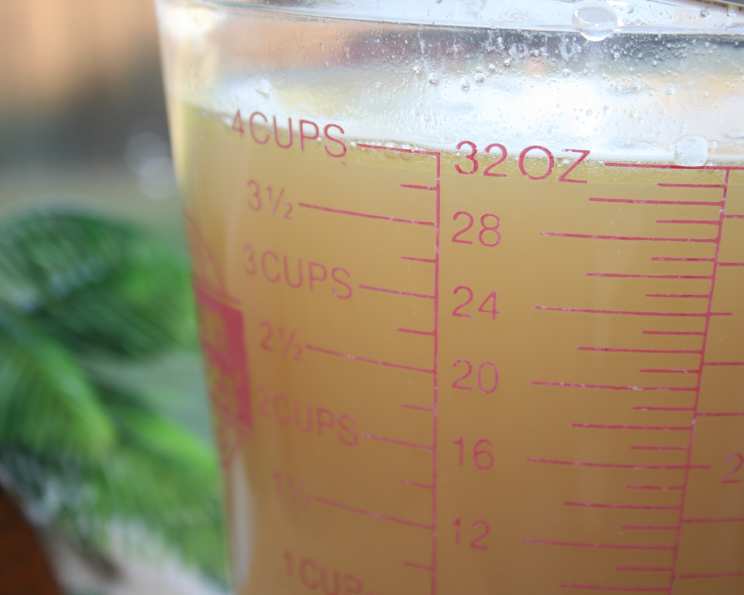
The Soul of My Kitchen: Homemade Chicken Stock
There’s a memory that always comes to mind when I think about chicken stock: standing in my grandmother’s warm, bustling kitchen on a chilly autumn day. The air, thick with the savory scent of simmering chicken, vegetables, and herbs, wrapped around me like a comforting blanket. Grandma, her hands weathered but gentle, would always have a pot of stock bubbling away on the stove, the foundation for countless delicious meals to come. It was from her that I learned the simple magic of transforming humble ingredients into liquid gold, a lesson I’ve cherished and practiced in my own kitchen ever since. Now, I share that magic with you.
Recipe Overview
- Prep Time: 15 minutes
- Cook Time: 2 hours
- Total Time: 2 hours 15 minutes
- Yields: 2 gallons
- Dietary Type: Gluten-Free, Dairy-Free
Ingredients
- 1 whole broiler-fryer chicken (cut up is optional)
- Assorted fresh vegetables, unpeeled (such as celery, carrots, onion, turnip, shallots, etc.)
- Herbs or spices, of your choice (such as parsley, bay leaves, peppercorns)
- Garlic, 1 head, separated into unpeeled cloves
- Water
Equipment Needed
- Large stockpot
- Colander
- Large bowl or pot for straining
- Freezer bags or containers for storage
Instructions
-
Begin by preparing your ingredients. Wash your vegetables thoroughly, but there’s no need to peel them; the skins add color and flavor to the stock. Chop the larger vegetables, such as carrots, celery, and onion, into manageable pieces. Quartering the onion is sufficient. Separate the garlic head into individual cloves, leaving the peels intact.
-
In a large stockpot, place the whole chicken. If you prefer, you can cut it into pieces; this isn’t strictly necessary, but it may speed up the flavor extraction process.
-
Add the prepared vegetables, garlic cloves, and herbs to the pot. A generous handful of parsley, a few bay leaves, and about 10-12 whole peppercorns are excellent starting points. Feel free to add any other vegetables or herbs that you think will complement the chicken flavor; this is where you can get creative and use up any odds and ends from your refrigerator. Turnips and shallots can add a lovely depth of flavor.
-
Pour a large amount of water into the pot, ensuring that the chicken and vegetables are fully submerged. The amount of water will depend on the size of your pot, but aim for at least 2 gallons of stock.
-
Bring the mixture to a boil over high heat. Once boiling, reduce the heat to low, cover the pot, and simmer gently for at least 2 hours. The longer you simmer, the more flavor will be extracted from the ingredients. Don’t rush this process; patience is key to a rich, flavorful stock.
-
After simmering for the desired time, carefully remove the pot from the heat. Place a colander over a large bowl or another pot to catch the liquid. Carefully drain the contents of the stockpot through the colander, separating the solids from the stock. Be absolutely certain you have something underneath the colander to catch the stock. It is a heart-wrenching feeling to watch your liquid gold go down the drain!
-
Return the strained stock to the stockpot. Bring it to a simmer over medium heat and allow it to reduce. Reducing the stock concentrates the flavor, resulting in a richer, more intense broth. Simmer for about 30 minutes to an hour, or until the desired level of concentration is achieved.
-
Taste the stock and adjust the seasoning if necessary. While you can add salt at this stage, I generally prefer to leave it unsalted, as the stock will likely be used as an ingredient in other dishes, and salting it now could lead to over-seasoning later. The vegetables and herbs will have already imparted plenty of flavor.
-
Allow the stock to cool completely before storing it. Once cooled, transfer the stock to freezer-safe bags or containers. I find that gallon-sized freezer bags work well, as they allow you to store the stock in convenient portions.
Expert Tips & Tricks
- Don’t discard the chicken carcass! Even after making stock, there’s still flavor to be extracted. You can boil the carcass again for a second, lighter stock.
- For a clearer stock, skim off any foam or impurities that rise to the surface during simmering.
- To degrease the stock, refrigerate it overnight. The fat will solidify on the surface and can be easily removed with a spoon.
- Freeze stock in ice cube trays for convenient small portions to add to sauces or gravies.
- Don’t be afraid to experiment with different vegetables and herbs to create your own unique flavor profile.
Serving & Storage Suggestions
Homemade chicken stock is the perfect foundation for soups, stews, sauces, and gravies. Use it to cook grains like rice or quinoa for added flavor. It can be stored in the refrigerator for up to 3-4 days or in the freezer for up to 3 months. To reheat frozen stock, simply thaw it in the refrigerator overnight or gently heat it on the stovetop.
Nutritional Information
Please note that nutritional information is an estimate and may vary based on specific ingredients used.
| Nutrient | Amount per Serving (1 cup) | % Daily Value* |
|---|---|---|
| Calories | 20 kcal | 1% |
| Total Fat | 0.5g | 1% |
| Saturated Fat | 0.1g | 1% |
| Cholesterol | 0mg | 0% |
| Sodium | 50mg | 2% |
| Total Carbohydrate | 1g | 0% |
| Dietary Fiber | 0g | 0% |
| Sugars | 0g | 0% |
| Protein | 3g | 6% |
*Based on a 2,000 calorie diet.
Variations & Substitutions
- For a richer stock, use chicken bones or carcasses in addition to the whole chicken.
- For a vegetarian stock, omit the chicken and use a variety of vegetables, such as mushrooms, leeks, and parsnips.
- For an Asian-inspired stock, add ginger, garlic, and scallions to the pot.
- For a Mexican-inspired stock, add chili peppers, cumin, and oregano.
FAQs (Frequently Asked Questions)
Q: Do I need to use a whole chicken, or can I use chicken parts?
A: You can use chicken parts, such as backs, necks, and wings, instead of a whole chicken. These are often more economical and still produce a flavorful stock.
Q: Can I use frozen vegetables?
A: Fresh vegetables are preferred for the best flavor, but frozen vegetables can be used in a pinch.
Q: How long can I store chicken stock in the freezer?
A: Homemade chicken stock can be stored in the freezer for up to 3 months.
Q: Why is my stock cloudy?
A: Cloudy stock is usually caused by boiling it too vigorously. Simmering gently will result in a clearer stock.
Q: Can I make this in a slow cooker?
A: While it’s possible, a slow cooker might not be large enough for the volume of ingredients. If using a slow cooker, be sure it’s extra-large.
Final Thoughts
Making homemade chicken stock is a rewarding experience that elevates your cooking to a whole new level. It’s a simple process that yields a flavorful and versatile ingredient that can be used in countless dishes. Don’t be intimidated by the long cooking time; the hands-on work is minimal, and the results are well worth the effort. I encourage you to give this recipe a try and experience the magic of homemade chicken stock for yourself. Share your creations and feedback, and let’s build a community of deliciousness together! Perhaps pair your first batch with a comforting chicken noodle soup, seasoned only with a sprinkle of fresh parsley. Happy cooking!