
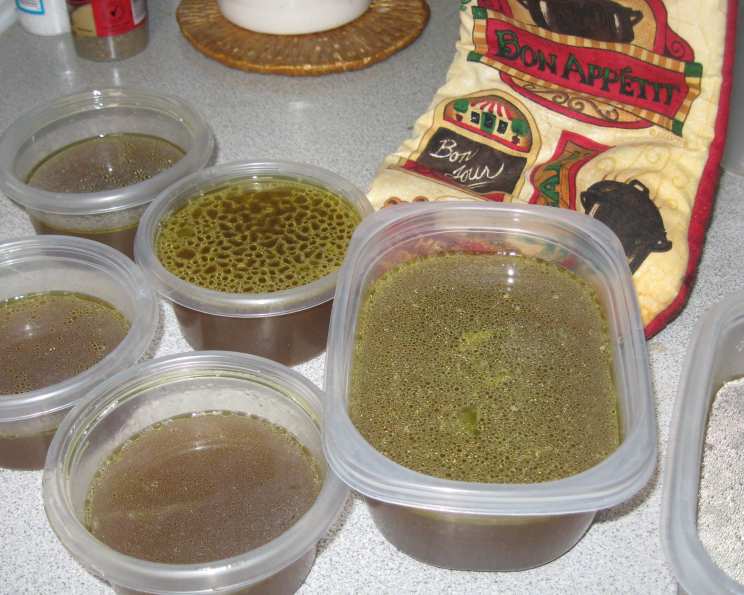
The Soulful Secret of Homemade Chicken Stock
The scent of chicken stock simmering on the stove is, for me, the very essence of home. I remember being a little girl, standing on a stool next to my grandmother, watching her patiently skim the broth as it bubbled away. The warmth emanating from the pot, the earthy aroma of vegetables mingling with the savory chicken – it was a magical alchemy that transformed humble ingredients into liquid gold. That stock formed the base for countless nourishing soups and stews, each one a testament to her love and the simple, profound joy of cooking from scratch. I carry that memory, and her teachings, with me every time I make stock.
Recipe Overview
- Prep Time: 20 minutes
- Cook Time: 3 hours
- Total Time: 3 hours 20 minutes
- Yields: 10 cups
- Serves: 10-12
- Dietary Type: Gluten-Free, Dairy-Free
Ingredients
- 3-6 lbs chicken bones (backs, necks, carcasses, and/or wing tips – the amount is very forgiving)
- 3 quarts water
- 2 large onions, unpeeled, coarsely chopped
- 4 stalks celery, coarsely chopped
- 3 medium carrots, coarsely chopped
- 4 garlic cloves, crushed
- 3 dried bay leaves
- 8 fresh parsley stems (Italian or curly)
- 6 sprigs fresh thyme
- 2 teaspoons black peppercorns
- 1 tablespoon sea salt (or kosher)
- 1-2 potato (and/or peels, to add richness and depth)
- 1-2 bell pepper
Equipment Needed
- Large stockpot (at least 8 quarts)
- Ladle
- Fine-mesh strainer
- Large bowl or pot for straining
Instructions
- Fill a very large pot or stockpot with water and chicken bones. Ensure the bones are mostly submerged.
- Bring the mixture to a boil over high heat. Once boiling, immediately skim off any froth that rises to the surface. This scum consists of impurities and proteins, and removing it will result in a clearer, cleaner-tasting stock.
- Reduce the heat to a very low simmer. Add the onions, celery, and carrots.
- Let the stock simmer gently on low heat for several hours, or even overnight. Aim for at least 3 hours. Avoid letting it boil vigorously, as this can emulsify the fats and lead to a cloudy and less flavorful stock.
- Add the garlic cloves, bay leaves, parsley stems, thyme, black peppercorns, sea salt, potato (and/or peels), and bell pepper approximately 30 minutes to 1 hour before you plan to finish cooking the stock. This allows the herbs and seasonings to infuse their flavors without becoming overpowering.
- Continue to skim off any froth that accumulates on the surface throughout the simmering process.
- Once the stock has simmered for the desired length of time, remove it from the heat source and let it cool slightly before straining.
- Carefully pour the stock through a fine-mesh strainer lined with cheesecloth (optional for even clearer stock) into a large bowl or another pot.
- Using a ladle or spoon, gently press against the solids (bones and vegetables) in the strainer to extract as much of the broth as possible. This step is crucial for maximizing the flavor and yield of your stock.
- Allow the stock to cool completely. You can keep it in the refrigerator for about a week or freeze it in portion sizes for several months.
- Once refrigerated, the stock will likely jell, which is a sign of good collagen extraction and a rich, flavorful stock. You can easily liquefy it again by gently heating it. You can also skim off any fat that rises to the surface after refrigerating for a clearer, leaner stock. Don’t put the hot pot directly into an ice bath. Just let it cool on its own before refrigerating.
Expert Tips & Tricks
- Roasting for Richness: For a deeper, more complex flavor, roast the chicken bones and vegetables before simmering. Toss the bones and coarsely chopped vegetables with a little olive oil and roast them in a single layer at 400°F (200°C) for 30-40 minutes, or until they are nicely browned.
- Vegetable Scraps: Don’t throw away your vegetable scraps! Save onion skins, carrot peels, celery ends, and mushroom stems in a freezer bag and add them to your stock for extra flavor and nutrients.
- Acidity Balance: Adding a splash of apple cider vinegar or lemon juice to the stockpot can help to extract more minerals from the bones. Use about 1-2 tablespoons per batch.
- Salt Judiciously: It’s best to add salt sparingly to the stock, as it will concentrate during simmering. You can always add more salt to your finished dish.
- Degreasing: For a leaner stock, let the stock cool completely in the refrigerator. The fat will solidify on the surface and can be easily skimmed off.
- Don’t Overcrowd: Ensure the bones and vegetables aren’t packed too tightly in the pot, as this can hinder flavor extraction. Use a larger pot if needed.
Serving & Storage Suggestions
Homemade chicken stock is incredibly versatile. Use it as a base for soups, stews, sauces, risottos, and braised dishes. It can also be used to deglaze pans after sautéing or roasting meats, adding depth and flavor to your pan sauces.
- Serving: Serve your soups and stews hot, garnished with fresh herbs and a drizzle of olive oil.
- Storage: Store the cooled stock in airtight containers in the refrigerator for up to 7 days. For longer storage, freeze the stock in freezer-safe containers or ice cube trays. Frozen stock will keep for several months. Be sure to leave some head space in the freezer containers, as the liquid will expand when frozen. To thaw, transfer the stock to the refrigerator overnight or gently heat it on the stovetop.
- Reheating: Reheat the stock on the stovetop over medium heat until simmering.
Nutritional Information
(Estimated values, will vary based on specific ingredients and preparation)
| Nutrient | Amount per Serving | % Daily Value |
|---|---|---|
| Calories | 137 kcal | 7% |
| Total Fat | 2.6g | 4% |
| Saturated Fat | 0.7g | 3% |
| Cholesterol | 0mg | 0% |
| Sodium | 738mg | 30% |
| Total Carbohydrate | 32.4g | 10% |
| Dietary Fiber | 9.8g | 39% |
| Sugars | 2.9g | 11% |
| Protein | 3.5g | 6% |
Variations & Substitutions
- Roasted Garlic Chicken Stock: Roast the garlic cloves along with the bones and vegetables for a sweeter, more mellow flavor.
- Spicy Chicken Stock: Add a chili pepper or a pinch of red pepper flakes to the stockpot for a subtle kick.
- Herb-Infused Chicken Stock: Experiment with different herbs, such as rosemary, sage, or oregano, to create unique flavor profiles.
- Wine-Enhanced Chicken Stock: Add 1 cup of dry white wine to the stockpot for a richer, more complex flavor. Add the wine after skimming the froth and before adding the vegetables.
- Vegetarian “Chicken” Stock: While not technically chicken stock, you can create a flavorful vegetable stock using a similar method. Roast or sauté a variety of vegetables (such as onions, carrots, celery, mushrooms, and parsnips) and then simmer them with water, herbs, and spices.
FAQs (Frequently Asked Questions)
Q: Why is it important to skim the froth from the stock?
A: Skimming the froth removes impurities and proteins that can make the stock cloudy and bitter.
Q: Can I use a pressure cooker or Instant Pot to make chicken stock?
A: Yes, pressure cooking can significantly reduce the cooking time. Follow your appliance’s instructions for making stock, typically cooking on high pressure for 60-90 minutes.
Q: How do I know when the chicken stock is done?
A: The stock is done when it has developed a rich, savory flavor and the bones are easily pulling apart. The vegetables should be very soft and have released their flavor into the broth.
Q: What can I do with the leftover chicken bones and vegetables after straining the stock?
A: If you’re feeling ambitious, you can pick any remaining meat off the bones. Some people will puree the cooked veggies to add to soups or stews as well, though they have given most of their flavour to the stock. Alternatively, they can be composted.
Many people will give these vegetable scraps (onion peels, carrot skins) to their dogs, but do your research to make sure that all the items used are safe to give to animals.
Q: My chicken stock is cloudy. Is it still okay to use?
A: Yes, cloudy stock is perfectly safe to use. It may not be as aesthetically pleasing, but it will still be flavorful. To minimize cloudiness, avoid boiling the stock vigorously and skim it frequently.
Final Thoughts
Making homemade chicken stock is a simple yet deeply rewarding culinary endeavor. It transforms humble ingredients into a rich, flavorful foundation for countless dishes. So, gather your bones, chop your vegetables, and let the simmering pot work its magic. The aroma alone will fill your home with warmth and comfort, and the resulting stock will elevate your cooking to new heights. Don’t be afraid to experiment with different herbs and vegetables to create your own signature flavor. I encourage you to try this recipe and share your feedback. This rich and complex broth pairs beautifully with crusty bread or a simple green salad for a comforting meal.