
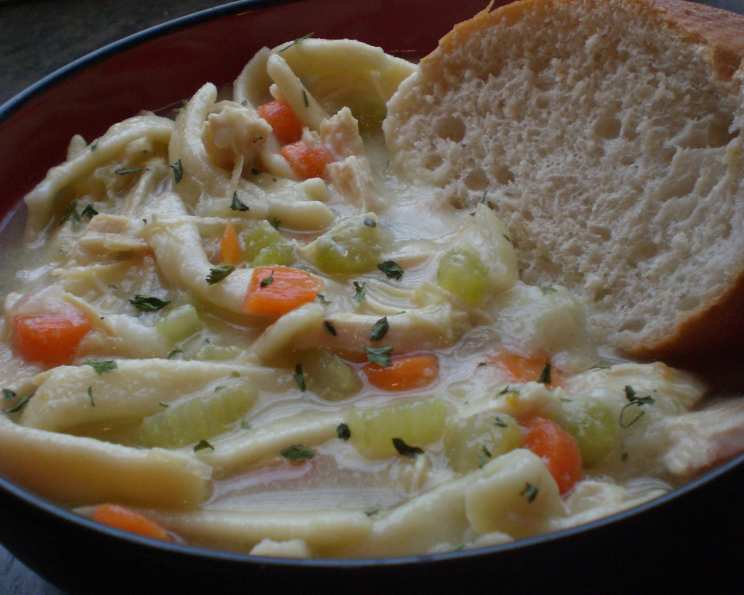
Homemade Egg Noodles: A Culinary Heirloom
The first time I tasted truly exceptional egg noodles, I was maybe seven years old, perched on a wobbly stool in my great-grandmother’s sun-drenched kitchen. She was a whirlwind of flour and warmth, and those noodles, shimmering golden in her chicken soup, were a revelation. They weren’t the pale, lifeless things from a box; these were rich, tender, and tasted like pure love. Even now, the memory of that simple, perfect bowl transports me back to her kitchen, a place filled with laughter, the aroma of simmering stock, and the comforting certainty that everything was right in the world.
Recipe Overview
- Prep Time: 30 minutes
- Cook Time: 15 minutes
- Total Time: 2 hours 45 minutes
- Servings: 6
- Yield: 3 cups
- Dietary Type: Not specified
Ingredients
- 1 large egg
- 2 tablespoons milk
- ½ teaspoon salt
- ¾ – 1 cup sifted flour, just enough until dough forms a ball and can be handled without sticking
Equipment Needed
- Mixing bowl
- Rolling pin
- Floured surface
- Pizza cutter or pastry cutter
- Large pot
Instructions
-
In a mixing bowl, beat the egg until lightly frothy. Add the milk and salt, and mix well to combine.
-
Gradually add the sifted flour, incorporating it with your hands, until a dough forms a ball that is smooth and can be handled without sticking to your hands or the work surface. You might not need the entire cup of flour, so add it slowly and assess the dough’s consistency as you go.
-
Divide the dough into two equal balls.
-
On a lightly floured surface, roll out each ball of dough very, very thin—aim for paper-thin. This is crucial; if the dough isn’t thin enough, the noodles will take a long time to dry and cook through properly. Letting the dough rest for 20 minutes at this stage relaxes the gluten and makes rolling easier.
-
Let the rolled-out dough sit for 20 minutes. This allows the gluten to relax, making the dough easier to handle and preventing it from shrinking back during cutting.
-
Using a pizza cutter or pastry cutter, slice the dough vertically into strips. For thinner noodles, cut 1/8-inch wide strips; for wider noodles, cut 1/4-inch wide strips. The width is a matter of personal preference.
-
Next, cut the strips horizontally to your desired length. Typically, noodles are cut to lengths of 2-3 inches.
-
Sprinkle the cut noodles with a generous amount of flour to prevent them from sticking together. Gently toss the noodles to ensure they are evenly coated.
-
Spread the floured noodles apart on a clean surface (like a baking sheet lined with parchment paper) so they are not touching. This allows for proper air circulation and prevents clumping during the drying process.
-
Let the noodles dry for at least 2 hours, or even longer depending on the humidity. The noodles should feel firm and slightly leathery to the touch before cooking. The longer they dry, the less likely they are to stick together in the broth.
-
Before cooking, shake off any excess flour from the dried noodles.
-
Drop the noodles into boiling broth or water. Cook for about 15 minutes, or until they are tender. The cooking time will depend on the thickness and dryness of the noodles, so test one to ensure it’s cooked through.
Expert Tips & Tricks
- Achieving Paper-Thin Dough: The key to light and tender noodles is rolling the dough as thinly as possible. Use consistent pressure and rotate the dough frequently to ensure even thickness. If the dough resists, let it rest for an additional 10 minutes to relax the gluten further.
- Drying Time Variations: The drying time for homemade noodles can vary significantly depending on the humidity. On dry days, they may dry in as little as 2 hours. On humid days, it could take longer. Ensure the noodles are firm and leathery to the touch before cooking.
- Preventing Sticking: Generously flouring the noodles after cutting and spreading them apart during drying is crucial for preventing sticking. If you’re working in a humid environment, consider using a fan to circulate air around the noodles, which will speed up the drying process.
- Flavor Infusions: For added flavor, consider incorporating herbs or spices into the dough. A pinch of dried thyme or rosemary can add a subtle earthy note. You can also use flavored oils in the dough.
- Freezing for Later: Dried noodles can be frozen for later use. Place them in an airtight container or freezer bag. They can be cooked directly from frozen, adding a few minutes to the cooking time.
Serving & Storage Suggestions
Homemade egg noodles are best served in a rich broth, such as chicken noodle soup or beef stew. They can also be tossed with butter and herbs for a simple yet satisfying side dish. To store leftover cooked noodles, place them in an airtight container in the refrigerator. They will keep for up to 3 days. Reheat gently in a saucepan with a little broth or water. Dried, uncooked noodles should be stored in an airtight container at room temperature. They will keep for several weeks.
Nutritional Information
| Nutrient | Amount per Serving | % Daily Value |
|---|---|---|
| Calories | 72 kcal | N/A |
| Calories from Fat | 10 g | 14% |
| Total Fat | 1.1 g | 1% |
| Saturated Fat | 0.4 g | 2% |
| Cholesterol | 31.7 mg | 10% |
| Sodium | 208.4 mg | 8% |
| Total Carbohydrate | 12.2 g | 4% |
| Dietary Fiber | 0.4 g | 1% |
| Sugars | 0.1 g | 0% |
| Protein | 2.8 g | 5% |
Note: Nutritional information is an estimate and can vary based on specific ingredients and portion sizes.
Variations & Substitutions
- Gluten-Free Noodles: Substitute all-purpose flour with a gluten-free flour blend. You may need to adjust the liquid content to achieve the right dough consistency. A binding agent like xanthan gum will also help.
- Vegan Noodles: Replace the egg with an egg replacer, such as applesauce or flaxseed meal mixed with water. Use plant-based milk instead of dairy milk.
- Whole Wheat Noodles: Use whole wheat flour for a nuttier flavor and increased fiber content. You may need to add a bit more liquid to compensate for the flour’s absorbency.
- Herb-Infused Noodles: Incorporate finely chopped fresh herbs, such as parsley, thyme, or chives, into the dough for a flavorful twist.
- Spicy Noodles: Add a pinch of red pepper flakes or a dash of hot sauce to the dough for a subtle kick.
FAQs (Frequently Asked Questions)
Q: Why are my noodles sticking together when I cook them?
A: This is usually due to insufficient drying or not enough flour. Make sure to dry the noodles thoroughly until they are firm and leathery to the touch. Also, generously flour the noodles after cutting and shake off any excess before cooking.
Q: How do I know when the noodles are done cooking?
A: The noodles are done when they are tender and slightly chewy. Taste one to check for doneness. Avoid overcooking, as they can become mushy.
Q: Can I make the dough ahead of time?
A: Yes, you can make the dough ahead of time. Wrap it tightly in plastic wrap and store it in the refrigerator for up to 24 hours. Allow it to come to room temperature before rolling it out.
Q: What kind of flour is best for making egg noodles?
A: All-purpose flour is a good choice for making egg noodles. It provides a good balance of gluten development and tenderness. You can also use bread flour for a chewier noodle or pastry flour for a more delicate noodle.
Q: Can I use a pasta machine to make the noodles?
A: Yes, you can use a pasta machine to roll out and cut the noodles. Follow the manufacturer’s instructions for your machine. Be sure to flour the noodles well to prevent sticking.
Final Thoughts
Don’t be intimidated by the idea of making your own egg noodles. It’s a surprisingly simple process that yields incredibly rewarding results. Once you’ve tasted the difference between homemade and store-bought, you’ll never go back. So, gather your ingredients, clear your counter, and prepare to create a dish that will warm your heart and nourish your soul. I encourage you to experiment with different flavors and textures to create your own signature egg noodle recipe. Share your creations and feedback – happy cooking!