
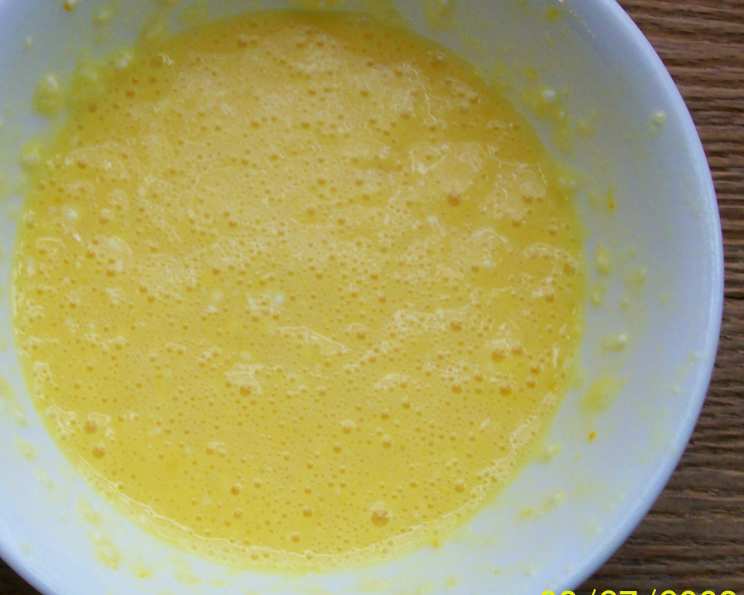
The Ultimate Homemade Egg Substitute: A Chef’s Secret
My grandmother, bless her heart, was a woman of resourcefulness. Growing up during the Depression, she learned to stretch ingredients and avoid waste. One of her most ingenious creations was a homemade egg substitute. I remember watching her whisk together this simple mixture, a testament to her ingenuity, and marveling at how it could transform into fluffy scrambled “eggs” or bind together her famous meatloaf. Now, decades later, I still use this recipe, adapting it for modern dietary needs while preserving her thrifty spirit and delicious results.
Recipe Overview:
- Prep Time: 5 minutes
- Cook Time: Varies
- Total Time: 5 minutes
- Yields: 1 cup
- Serves: 4
- Dietary Type: Gluten-Free, Dairy-Free (if using dairy-free milk powder), Vegetarian
Ingredients:
- 6 egg whites
- 1/4 cup nonfat dry milk powder
- 1 tablespoon vegetable oil
- 6 drops yellow food coloring (optional)
Equipment Needed:
- Mixing bowl
- Whisk
- Glass container or jar (for storage)
- Nonstick frying pan (for scrambled eggs)
Instructions:
- Begin by gathering all your ingredients. Having everything measured and ready will streamline the process.
- In a mixing bowl, combine the egg whites and nonfat dry milk powder.
- Add the vegetable oil to the mixture. The oil helps to mimic the richness of egg yolks.
- If desired, add the yellow food coloring to give the substitute a more egg-like appearance. This is entirely optional and won’t affect the taste.
- Using a whisk, thoroughly whisk all the ingredients together until the mixture is smooth and homogenous. Ensure there are no lumps of dry milk powder remaining.
- Store the prepared egg substitute in a glass container or jar in the refrigerator. It will keep for up to 1 week. It can also be frozen for longer storage.
- To use the egg substitute for scrambled eggs, heat a nonstick frying pan over low heat.
- Pour the desired amount of egg substitute into the pan (1/4 cup is equivalent to 1 egg).
- Cook the egg substitute slowly over low heat, stirring occasionally, until it sets to your desired consistency. This will take several minutes, be patient and don’t rush the process to prevent burning.
- Serve immediately.
Expert Tips & Tricks:
- For a richer flavor: A tiny pinch of black salt (kala namak) can add an “eggy” sulfurous flavor, particularly when making scrambled “eggs.” Be cautious, as it can be quite potent.
- Preventing sticking: Ensure your nonstick pan is truly nonstick. Even with oil, the egg substitute can stick if the pan’s coating is worn. Use a silicone spatula to gently scrape the bottom of the pan as it cooks.
- Freezing: To freeze, pour the mixture into ice cube trays for convenient portioning. Once frozen, transfer the cubes to a freezer bag. Thaw in the refrigerator overnight before using.
- Adjusting Consistency: If you find the mixture too thin, add a touch more nonfat dry milk powder, a teaspoon at a time. If it’s too thick, add a tablespoon of water.
- Flavor Enhancements: For savory dishes, consider adding a pinch of garlic powder, onion powder, or dried herbs like chives or parsley to the mixture.
Serving & Storage Suggestions:
This homemade egg substitute can be used in various ways, just like regular eggs. For breakfast, serve it as scrambled “eggs” with toast, avocado, and your favorite toppings. It can also be incorporated into quiches, frittatas, or omelets alongside vegetables and cheese (or vegan cheese alternatives).
Leftover egg substitute should be stored in an airtight container in the refrigerator. It will last for up to 1 week. Freezing the mixture in individual portions (e.g., in ice cube trays) is an excellent way to extend its shelf life. Frozen egg substitute can be stored for up to 2-3 months. When ready to use, thaw the desired portion in the refrigerator overnight.
Reheating scrambled “eggs” made with the substitute is best done gently. Microwaving can make them rubbery. Instead, warm them in a pan over low heat with a splash of milk or water, stirring constantly until heated through.
Nutritional Information:
| Nutrient | Amount per Serving (1/4 cup) | % Daily Value* |
|---|---|---|
| Calories | 83 | N/A |
| Calories from Fat | N/A | N/A |
| Total Fat | 3.5g | 5% |
| Saturated Fat | 0.5g | 2% |
| Cholesterol | 1.5mg | 0% |
| Sodium | 122.3mg | 5% |
| Total Carbohydrate | 4.3g | 1% |
| Dietary Fiber | 0g | 0% |
| Sugars | 4.2g | N/A |
| Protein | 8.1g | N/A |
*Percent Daily Values are based on a 2,000 calorie diet.
Variations & Substitutions:
- Dairy-Free Version: Use a dairy-free milk powder substitute such as soy milk powder, rice milk powder, or oat milk powder instead of nonfat dry milk powder.
- Flavor Boost: For a richer, more savory flavor, add a pinch of nutritional yeast to the mixture. This will also add some B vitamins.
- Binding Agent Alternative: If you prefer to avoid milk powder altogether, you can use a tablespoon of cornstarch or tapioca starch instead. Be sure to whisk it in thoroughly to avoid lumps.
- Color Enhancement: For a deeper yellow color, consider using a tiny pinch of turmeric powder instead of artificial food coloring. Be careful, as turmeric can stain.
FAQs (Frequently Asked Questions):
Q: Can I use this egg substitute in baking?
A: This recipe is primarily designed for dishes like scrambled eggs. For baking, egg substitutes often require different formulations, such as flaxseed meal or applesauce.
Q: Does this egg substitute taste exactly like real eggs?
A: While it mimics the texture and binding properties of eggs, the flavor is slightly different. Adding black salt or nutritional yeast can help to enhance the “eggy” flavor.
Q: Why use egg whites instead of whole eggs?
A: Using just egg whites lowers the fat and cholesterol content, making it a healthier option for some individuals.
Q: How do I know if the egg substitute is cooked properly when making scrambled “eggs”?
A: The mixture should be set and no longer runny. Avoid overcooking, as it can become rubbery.
Q: Can I add cheese to scrambled “eggs” made with this substitute?
A: Absolutely! Feel free to add your favorite cheese or vegan cheese alternatives to the scrambled “eggs” for added flavor and creaminess.
Final Thoughts:
Creating this homemade egg substitute is a rewarding way to embrace resourcefulness in the kitchen. It offers a versatile alternative for those seeking to reduce their cholesterol intake, manage allergies, or simply explore new culinary horizons. I encourage you to experiment with this recipe, adapt it to your preferences, and share your feedback. Pair it with a vibrant vegetable stir-fry for a complete and nourishing meal. Most importantly, have fun and savor the delicious possibilities that this simple yet ingenious creation unlocks.