
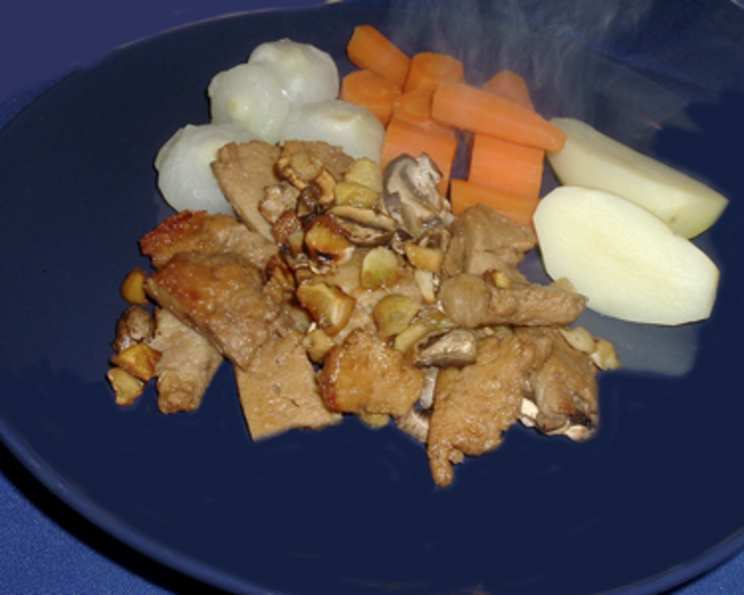
The Alchemist’s Loaf: Crafting Homemade Seitan
I remember the first time I tried seitan. It was at a small, unassuming vegan deli in my college town. I eyed it with suspicion – this savory, chewy substance that looked almost like roast beef but was entirely plant-based? One bite, and I was hooked. The texture, the umami flavor, the sheer versatility of it – it was a revelation. Years later, I still marvel at the magic of transforming humble flour and water into something so satisfying. Seitan, also known as wheat gluten, is a culinary chameleon, ready to take on any flavor profile you throw its way.
Recipe Overview
- Prep Time: 20 minutes
- Cook Time: 30-60 minutes
- Total Time: 50 minutes – 1 hour 20 minutes
- Servings: 6-8
- Yield: Approximately 2 1/2 cups of cooked seitan
- Dietary Type: Vegan
Ingredients
- 2 cups gluten flour
- 1 teaspoon garlic powder
- 1 teaspoon ground ginger
- 1 1/4 cups water or vegetable stock
- 3 tablespoons Braggs liquid aminos or soy sauce
- 1-3 teaspoons toasted sesame oil (optional)
Broth:
- 4 cups water
- 1/4 cup tamari or soy sauce
- 3 inches piece kombu seaweed, dried
- 3-4 slices fresh ginger (optional)
Equipment Needed
- Large mixing bowl
- Fork
- Large saucepan with lid
Instructions
- In a large mixing bowl, combine the gluten flour, garlic powder, and ground ginger. Whisk together to ensure the spices are evenly distributed throughout the flour.
- In a separate container, mix together the water (or vegetable stock) and Braggs liquid aminos (or soy sauce). If desired, add the toasted sesame oil for extra flavor.
- Pour the liquid mixture into the dry ingredients all at once. Using a fork, vigorously mix the ingredients together until a stiff dough begins to form. It will seem shaggy at first, but keep at it!
- Once the dough comes together, turn it out onto a lightly floured surface. Knead the dough for 10 to 15 times. The gluten needs to be developed for the seitan to have the right texture.
- Let the dough rest for 2 to 5 minutes. This allows the gluten to relax slightly, making it easier to work with.
- Knead the dough a few more times. Then, let it rest for another 15 minutes before proceeding. This rest period is crucial for achieving the desired chewy texture of seitan.
- While the dough is resting for the final 15 minutes, prepare the broth. In a large saucepan, combine the water, tamari (or soy sauce), kombu seaweed, and fresh ginger slices (if using). Bring the broth to a boil over high heat.
- Once the dough has rested, cut it into 6 to 8 equal pieces. Gently stretch each piece into a thin cutlet shape. The thinner you stretch them, the more surface area they’ll have to absorb the flavorful broth.
- Once the broth is boiling, reduce the heat to low. Carefully add the seitan cutlets one at a time to the simmering broth.
- Reduce heat to barely simmer, cover the saucepan with a lid, and let the seitan simmer for 30 to 60 minutes. The longer it simmers, the firmer and chewier the seitan will become. Check the water level periodically and add more water if necessary to keep the seitan covered.
- After simmering, the seitan is ready to use. You can refrigerate or freeze it at this point for later use.
Expert Tips & Tricks
- Kneading is key: The amount of kneading directly affects the texture of your seitan. More kneading equals a chewier texture.
- Don’t overcook: Overcooked seitan can become tough and rubbery. Start checking for doneness after 30 minutes of simmering. It should be firm but still have some give when pressed.
- Flavor boost: Experiment with different spices and herbs in the dough and broth to customize the flavor of your seitan. Smoked paprika, onion powder, and dried thyme are all great additions.
- Broth variations: Use vegetable broth, mushroom broth, or even a miso-based broth for a unique flavor profile.
- Make it ahead: Seitan can be made ahead of time and stored in the refrigerator for several days or frozen for longer storage. It’s a great option for meal prepping.
Serving & Storage Suggestions
Serve your homemade seitan in a variety of dishes! Slice it thinly and use it in sandwiches or wraps. Cube it and add it to stir-fries, curries, or stews. Marinate it and grill it for a delicious BBQ option. Seitan is also fantastic in vegan versions of classic dishes like General Tso’s chicken or beef stew.
To store, let the seitan cool completely in the broth. Transfer the seitan and some of the broth to an airtight container. Store in the refrigerator for up to 5 days. For longer storage, freeze the seitan in the broth for up to 3 months. Thaw overnight in the refrigerator before using. Reheat gently in a saucepan or microwave until warmed through.
Nutritional Information
| Nutrient | Amount per Serving | % Daily Value |
|---|---|---|
| Calories | 82 kcal | 4% |
| Total Fat | 0.4g | 0% |
| Saturated Fat | 0.1g | 0% |
| Cholesterol | 0mg | 0% |
| Sodium | 595mg | 24% |
| Total Carbohydrate | 4g | 1% |
| Dietary Fiber | 0.2g | 1% |
| Sugars | 0.2g | 0% |
| Protein | 16g | 32% |
Note: Nutritional information is an estimate and may vary based on specific ingredients and portion sizes.
Variations & Substitutions
- Gluten-free option: Unfortunately, there is no true gluten-free substitute for seitan. Seitan is gluten.
- Different liquids: Experiment with different liquids in the dough, such as beet juice for a beautiful red hue or tomato juice for a savory flavor.
- Spice it up: Add a pinch of red pepper flakes or a dash of hot sauce to the dough for a spicy kick.
- Herbaceous twist: Incorporate fresh herbs like rosemary, thyme, or sage into the dough for a more aromatic flavor.
FAQs (Frequently Asked Questions)
Q: Can I use all-purpose flour instead of gluten flour?
A: No, all-purpose flour does not contain enough gluten to create seitan. Gluten flour is essential for achieving the right texture.
Q: How can I make my seitan less chewy?
A: Reduce the kneading time and shorten the simmering time.
Q: Can I bake the seitan instead of simmering it?
A: Yes, you can bake seitan. Wrap it tightly in foil and bake at 350°F (175°C) for about an hour.
Q: Is seitan a good source of protein?
A: Yes, seitan is a good source of protein, with approximately 16 grams of protein per serving.
Q: Can I freeze seitan?
A: Absolutely! Freezing seitan in its broth helps retain its moisture and flavor.
Final Thoughts
Crafting your own seitan is a rewarding culinary experience that opens up a world of plant-based possibilities. Don’t be intimidated by the process – with a little practice, you’ll be churning out delicious, chewy seitan in no time. I encourage you to experiment with different flavors and seasonings to create your own signature seitan recipe. Share your creations with friends and family, and let them marvel at the magic of transforming simple ingredients into something truly extraordinary. Perhaps serve it with a side of roasted vegetables and a drizzle of balsamic glaze. Bon appétit!