
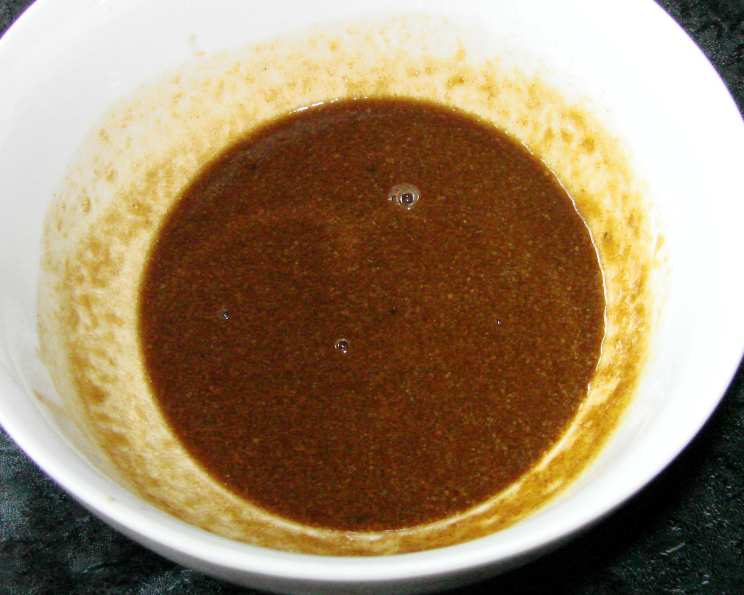
Homemade Hoisin Sauce With Peanut Butter: An Umami Bomb
I remember the first time I truly understood the power of hoisin sauce. It wasn’t in some fancy restaurant, but at a humble family gathering. My aunt, a woman whose cooking always radiated love, made the most incredible glazed chicken wings. The secret, she revealed with a twinkle in her eye, was a homemade hoisin sauce. The sweet, savory, and slightly funky flavor clung to those wings, creating an explosion of taste that I’ve never forgotten. This recipe, adapted from my own experiments, brings a similar magic to your kitchen, with an extra layer of richness from peanut butter that will have everyone licking their fingers.
Recipe Overview:
- Prep Time: 5 minutes
- Cook Time: 5 minutes
- Total Time: 10 minutes
- Servings: Varies
- Yield: About 1/2 cup
- Dietary Type: Vegan (check soy sauce ingredients)
Ingredients:
- 4 tablespoons soy sauce
- 2 tablespoons peanut butter
- 1 tablespoon molasses
- 2 teaspoons white vinegar
- 1/8 teaspoon garlic powder
- 2 teaspoons sesame oil
- 20 drops Chinese hot sauce, habanero hot sauce, or 20 drops jalapeno hot sauce
- 1/8 teaspoon black pepper
Equipment Needed:
- Small bowl
- Whisk or fork
Instructions:
-
In a small bowl, combine the soy sauce and peanut butter. Use a whisk or fork to thoroughly blend the ingredients until the peanut butter is fully incorporated and the mixture is smooth. A few small lumps are okay, but the sauce should not be grainy.
-
Add the molasses to the bowl. Molasses contributes depth and sweetness, emulating the fermented bean component of traditional hoisin. Stir well to combine.
-
Pour in the white vinegar. The acidity of the vinegar balances the sweetness and adds a necessary tang. Continue to stir until the vinegar is evenly distributed.
-
Sprinkle in the garlic powder. Ensure it is evenly dispersed to avoid clumps. Stir until the garlic powder is fully dissolved.
-
Drizzle in the sesame oil. This adds a wonderful nutty aroma and flavor that enhances the Asian character of the sauce. Stir gently to incorporate.
-
Add the hot sauce. The type of hot sauce you use will impact the final flavor profile. Chinese hot sauce provides a classic Asian heat, while habanero will deliver a more intense, fruity spiciness. Jalapeno hot sauce offers a milder, greener heat. Add 20 drops, or more to taste, depending on your spice preference. If you prefer to use freshly minced jalapenos without the sauce, use about 1 small, seeded and finely minced jalapeno pepper.
-
Finally, add the black pepper. This small amount of pepper provides a subtle warmth and complexity. Stir vigorously until all ingredients are completely combined. The sauce should be smooth and uniform in color and consistency.
Expert Tips & Tricks:
- Peanut Butter Power: For the smoothest sauce, use creamy peanut butter. If you only have chunky peanut butter, you can still use it, but the sauce will have a slightly more textured consistency.
- Molasses Magic: Blackstrap molasses has a deeper, more intense flavor than regular molasses. If you prefer a sweeter sauce, use regular molasses or even substitute with honey or maple syrup, adjusting the quantity to taste.
- Spice It Up: Adjust the amount of hot sauce to your liking. Start with the recommended amount and taste, adding more if you prefer a spicier sauce. Remember, you can always add more, but you can’t take it away!
- Soy Sauce Selection: Using low-sodium soy sauce will help control the overall saltiness of the sauce. Tamari can be used as a gluten-free alternative.
- Sesame Oil Enhancement: A touch of toasted sesame oil can add an extra layer of flavor. Be careful not to overdo it, as toasted sesame oil can be quite potent.
- Flavor Development: While the sauce is ready to use immediately, allowing it to sit for a few hours, or even overnight in the refrigerator, will allow the flavors to meld and deepen.
- Thinning the Sauce: If the sauce is too thick, you can thin it out by adding a teaspoon or two of water, stirring until you reach the desired consistency.
- Sweetness Adjustment: If the sauce is too savory or spicy, add a touch more molasses or honey to balance the flavors.
- Umami Boost: For an extra umami kick, consider adding a pinch of mushroom powder or a dash of fish sauce (omit for vegan diets).
Serving & Storage Suggestions:
This homemade hoisin sauce is incredibly versatile. It’s fantastic as a glaze for grilled chicken, pork, or tofu. Use it as a dipping sauce for spring rolls, dumplings, or lettuce wraps. Stir it into stir-fries for an added layer of flavor. Drizzle it over steamed vegetables or noodles.
To store, transfer the sauce to an airtight container and refrigerate. It will keep well for up to 1 week. If you notice any signs of spoilage, such as a sour smell or unusual discoloration, discard it. Freezing is not recommended as it can alter the texture.
Nutritional Information:
| Nutrient | Amount per Serving | % Daily Value |
|---|---|---|
| Calories | 110 kcal | 6% |
| Total Fat | 7g | 11% |
| Saturated Fat | 1g | 5% |
| Cholesterol | 0mg | 0% |
| Sodium | 800mg | 35% |
| Total Carbohydrate | 9g | 3% |
| Dietary Fiber | 1g | 4% |
| Sugars | 6g | N/A |
| Protein | 4g | 8% |
Note: Nutritional information is an estimate and may vary based on specific ingredients and serving size.
Variations & Substitutions:
- Nut-Free Hoisin: If you have a peanut allergy, substitute the peanut butter with sunflower seed butter or tahini. The flavor will be slightly different, but still delicious.
- Gluten-Free Hoisin: Use tamari instead of soy sauce to make this recipe gluten-free.
- Spicy Mango Hoisin: Add a tablespoon of mango puree and a pinch of red pepper flakes for a sweet and spicy twist.
- Smoky Hoisin: Add 1/4 teaspoon of smoked paprika for a smoky flavor profile.
- Hoisin with Ginger: Grate a small amount of fresh ginger (about 1/2 teaspoon) into the sauce for a warm, aromatic flavor.
- Hoisin with Orange: Add a teaspoon of orange zest and a tablespoon of orange juice for a citrusy brightness.
FAQs (Frequently Asked Questions):
Q: Can I use natural peanut butter?
A: Yes, you can use natural peanut butter, but you may need to stir the sauce more vigorously to fully incorporate the oil that separates from the peanut butter.
Q: How long will this sauce last in the refrigerator?
A: This homemade hoisin sauce will last for up to one week when stored in an airtight container in the refrigerator.
Q: Can I make this sauce ahead of time?
A: Absolutely! In fact, making it a day or two in advance allows the flavors to meld and deepen, resulting in an even more delicious sauce.
Q: Is this sauce vegan?
A: Yes, this sauce is vegan as long as you use a vegan-friendly soy sauce or tamari.
Q: Can I freeze this hoisin sauce?
A: Freezing is not recommended as it can alter the texture of the sauce. It’s best to make a fresh batch when needed.
Final Thoughts:
This homemade hoisin sauce with peanut butter is a testament to the fact that you don’t need complicated ingredients or techniques to create incredible flavor. The combination of sweet, savory, spicy, and nutty notes is truly addictive. So, gather your ingredients, whisk up a batch, and unleash your culinary creativity. I hope this recipe becomes a staple in your kitchen, adding a touch of Asian-inspired magic to all your favorite dishes. And please, do share your experiences and variations – I’d love to hear how you make it your own!