
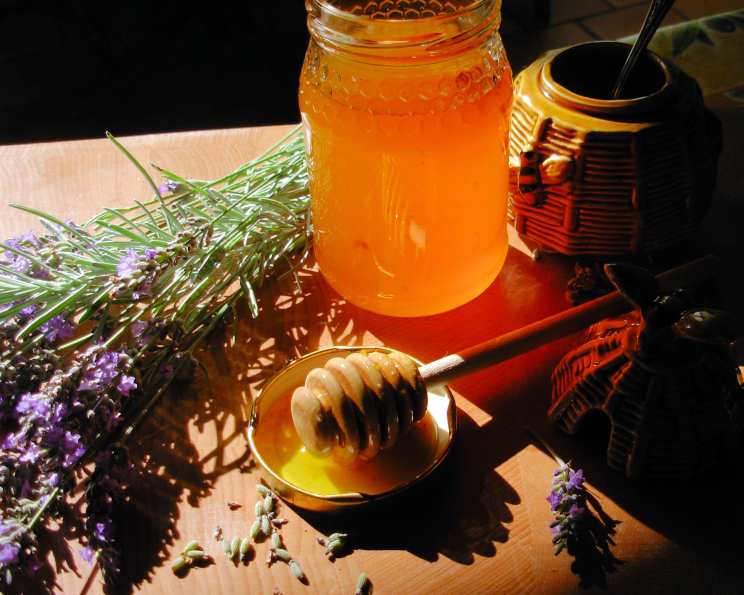
Homemade Lavender Honey from South West France
The scent of lavender always transports me back to a small, sun-drenched terrace in the Dordogne. Bees buzzed lazily around vibrant purple blossoms, and the air was thick with a sweet, calming fragrance. My grandmother, a true culinary artist, would hum softly as she carefully harvested the lavender, explaining its unique properties and its ability to elevate even the simplest dishes. It wasn’t just about cooking; it was about capturing the essence of summer in a jar. And now, I bring that tradition to you.
Recipe Overview
- Prep Time: 15 minutes
- Cook Time: 30 minutes
- Infusion Time: 4 hours
- Total Time: 4 hours 45 minutes
- Yield: 1 (8 ounce) jar
- Dietary Type: Vegetarian
Ingredients
- 8 ounces light honey, such as flower honey or clover honey
- 4 tablespoons dried lavender flowers
Equipment Needed
- Medium-sized bowl
- Saucepan (for bain-marie)
- Mesh sieve
- Sterilized jar (8 ounce)
- Fly cover or net
Instructions
- Prepare a bain-marie by placing a saucepan filled with water on the stove and bringing it to a gentle simmer. The water should not touch the bottom of the bowl that will sit on top.
- Pour the honey into the bowl and place the bowl over the simmering water. This indirect heat will gently warm the honey without scorching it.
- Heat the honey until it is very hot, but do NOT allow it to boil. Boiling can alter the flavour and consistency of the honey.
- Once the honey is sufficiently heated, add the dried lavender flowers to the bowl.
- Stir the lavender flowers thoroughly into the honey, ensuring they are well-distributed.
- Continue to heat the mixture over low heat for 30 minutes, stirring occasionally. This allows the lavender to infuse its flavour and aroma into the honey. Maintain a gentle simmer in the bain-marie; the honey should never boil.
- After 30 minutes, remove the bowl from the heat.
- Allow the honey to cool slightly, just until it’s manageable to handle but still warm enough to strain. This ensures the honey isn’t too viscous to pour easily.
- Cover the bowl with a net or fly cover to prevent any unwanted visitors while it infuses further.
- Place the covered bowl in a sunny spot for about 3 to 4 hours. This sun-infusion intensifies the lavender flavour and adds a subtle warmth to the honey. Make sure the location is clean and protected from windblown debris.
- After the sun-infusion, pour the honey through a mesh sieve to remove the cooked lavender flowers. Press gently on the lavender with the back of a spoon to extract as much infused honey as possible. Discard the lavender flowers; they have already imparted their essence.
- Pour the strained lavender honey into a sterilized jar.
- Cover the jar tightly and label it with the date. This ensures freshness and proper tracking.
Expert Tips & Tricks
- Honey Choice: Opt for a light-colored, mild-flavoured honey like clover or wildflower. Stronger honey varietals can overpower the delicate lavender notes.
- Lavender Quality: The quality of your dried lavender flowers significantly impacts the final flavour. Use culinary-grade lavender from a reputable source for the best results. Avoid lavender that has been treated with pesticides.
- Gentle Heating: Patience is key. Heating the honey gently in a bain-marie prevents scorching and preserves its delicate flavour profile.
- Sun Infusion: If sunshine is scarce, you can skip the sun-infusion step. However, it does noticeably enhance the lavender flavour, so try to incorporate it if possible. Even a partially sunny day will contribute.
- Sterilization: Ensure your jar is properly sterilized to prevent spoilage. You can do this by boiling the jar and lid in water for 10 minutes, then allowing them to air dry completely.
- Troubleshooting Crystallization: If your honey crystallizes over time, simply place the jar in a warm water bath until the crystals dissolve. Avoid overheating.
- Infusion Duration: Adjust the sun-infusion time based on your desired lavender intensity. A longer infusion will result in a stronger flavour. Sample the honey periodically to gauge its progress.
Serving & Storage Suggestions
This homemade lavender honey is incredibly versatile. Drizzle it over warm scones or biscuits, stir it into your morning yogurt or oatmeal, or use it to sweeten herbal teas. It’s also a fantastic addition to cheese boards, particularly paired with creamy goat cheese or sharp cheddar.
Store the lavender honey in a cool, dark, and dry place. Properly stored, it will keep for several months to a year. While honey doesn’t truly expire, its flavour and quality may diminish over time. There’s no need to refrigerate.
Nutritional Information
| Nutrient | Amount per Serving | % Daily Value |
|---|---|---|
| Calories | 690 kcal | 35% |
| Total Fat | 0g | 0% |
| Saturated Fat | 0g | 0% |
| Cholesterol | 0mg | 0% |
| Sodium | 9mg | 0% |
| Total Carbohydrate | 187g | 62% |
| Dietary Fiber | 1g | 4% |
| Sugars | 186g | 372% |
| Protein | 1g | 2% |
Note: Nutritional information is an estimate and may vary based on specific ingredients used.
Variations & Substitutions
- Different Herbs: Experiment with other complementary herbs like rosemary, thyme, or chamomile for unique flavour profiles.
- Citrus Infusion: Add a few strips of lemon or orange zest during the initial heating process for a subtle citrus note. Be sure to remove the zest before straining.
- Spiced Honey: Infuse the honey with warming spices like cinnamon sticks, star anise, or cloves for a cozy autumnal flavour.
- Vegan Option: While honey is technically not vegan, agave nectar or maple syrup can be used as substitutes, though the flavour will be different.
- Fresh Lavender: If using fresh lavender flowers, ensure they are completely dry before adding them to the honey to prevent spoilage. You may need to use a slightly larger quantity of fresh flowers to achieve the same flavour intensity as dried.
FAQs (Frequently Asked Questions)
Q: Can I use lavender essential oil instead of dried flowers?
A: No, it’s not recommended to use essential oils in this recipe. Essential oils are highly concentrated and can be overpowering or even unsafe for consumption if not used properly. Stick to dried lavender flowers for the best flavour and safety.
Q: How do I know if my jar is properly sterilized?
A: A properly sterilized jar will ensure your honey remains fresh and free from bacteria. After boiling the jar and lid for 10 minutes, avoid touching the inside surfaces. Allow them to air dry completely on a clean surface.
Q: Can I use raw honey for this recipe?
A: Yes, you can use raw honey, but keep in mind that heating it may destroy some of its beneficial enzymes. The flavour will be slightly different compared to using pasteurized honey.
Q: How long does the lavender honey last?
A: Properly stored in a cool, dark, and dry place, homemade lavender honey can last for several months to a year. Check for any signs of spoilage, such as mold or an off odour, before consuming.
Q: What if my honey crystallizes?
A: Crystallization is a natural process for honey. To remedy this, simply place the jar in a warm water bath until the crystals dissolve. Avoid microwaving, as this can overheat and damage the honey.
Final Thoughts
I truly hope you’ll give this recipe a try. Making your own lavender honey is a rewarding experience, connecting you to the natural world and offering a unique flavour to enhance your culinary creations. Share your results and any variations you discover – I’d love to hear about your adventures in the kitchen! Consider pairing your homemade lavender honey with a delicate chamomile tea or a crusty baguette topped with fresh goat cheese for a truly unforgettable experience. Bon appétit!