
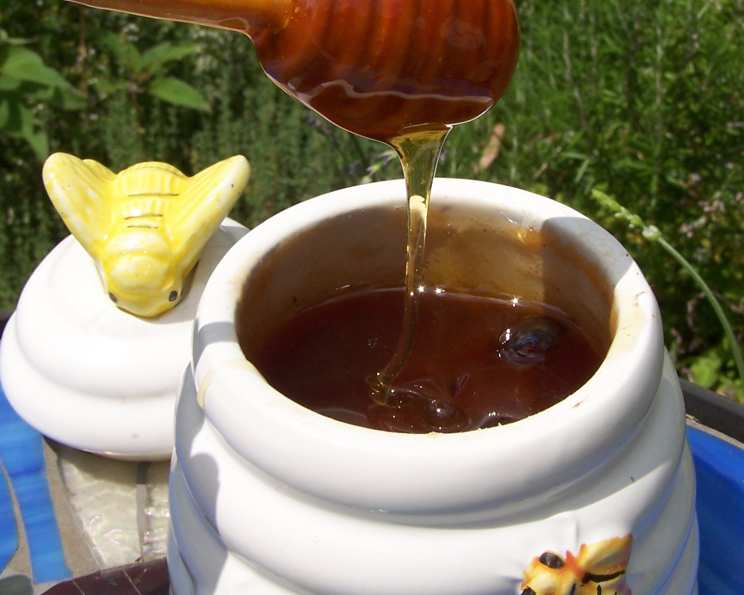
Homemade Lavender Honey: A Taste of Provence in Your Kitchen
The scent of lavender always transports me back to a sun-drenched afternoon in my grandmother’s garden. She had a small patch dedicated solely to lavender, its purple blossoms buzzing with bees, a constant source of amusement and, of course, delicious honey. That sweet, floral aroma, a touch of the earth mixed with a hint of summer warmth, is something I’ve tried to recapture ever since, and this lavender honey recipe comes pretty close.
Recipe Overview
- Prep Time: 10 minutes
- Cook Time: 5 minutes
- Total Time: 24 hours 15 minutes
- Servings: 16
- Yield: 1 8-ounce jar
- Dietary Type: Vegetarian
Ingredients
- 1 cup raw clover honey
- 24 fresh heads lavender flowers (or 1 tablespoon dried lavender flowers)
Ingredient Note: When using dried lavender, ensure it’s culinary grade to avoid any unwanted bitterness. Fresh lavender flowers should be free from pesticides.
Equipment Needed
- Small saucepan
- Wooden spoon or spatula
- Wire sieve
- Clean jar
Instructions
- In a small saucepan, gently warm the raw clover honey over low heat. Take care not to boil it, as this can degrade its delicate flavors. A gentle warming is all that is needed.
- Stir in the fresh lavender flower heads (or dried lavender flowers) into the warmed honey. Ensure the lavender is well-distributed throughout the honey.
- Remove the saucepan from the heat, cover it, and let it stand at room temperature for a full 24 hours. This infusion period allows the lavender’s flavor and aroma to fully permeate the honey.
- The next day, warm the honey again over low heat. It should become liquid enough to pour freely. Keep a close eye on it, and remove from the heat source if it begins to simmer.
- Place a wire sieve over a clean jar. For an even finer straining, I like to line the wire sieve with a clean paper coffee filter. This will catch any small bits of lavender, leaving you with a perfectly clear honey. Strain the warm honey through the sieve (and filter, if using) into the clean jar.
- Allow the strained lavender honey to cool completely. Then, cover the jar tightly.
- Store the infused honey in the refrigerator for up to 6 months. Serve at room temperature for optimal consistency.
Expert Tips & Tricks
- For a more intense lavender flavor, consider using more lavender flowers, but be careful not to overdo it, as too much lavender can make the honey taste soapy.
- The quality of the honey matters. Opt for raw, unfiltered honey for the best flavor and health benefits. Clover honey is a classic choice because of its mild flavor that complements the lavender, but wildflower or orange blossom honey will work in a pinch.
- If you don’t have a coffee filter, a clean cheesecloth can be used to line the sieve for straining.
- The warming process should be gentle. Avoid high heat, as it can alter the honey’s composition and flavor.
- If your honey crystallizes in the refrigerator, simply warm it gently in a water bath until it returns to its liquid state.
- Consider adding a tiny pinch of salt to the honey during the infusion period, it will help to enhance the overall flavor profile.
Serving & Storage Suggestions
Homemade lavender honey is a versatile condiment that can elevate a wide range of dishes. Drizzle it over warm biscuits, scones, or croissants for a touch of floral sweetness. It’s also a delightful addition to tea, yogurt, or oatmeal. I love using it as a glaze for roasted vegetables or meats, such as chicken or pork. It’s also lovely on a cheese board!
Stored properly in the refrigerator, your lavender honey will keep for up to 6 months. Bring to room temperature before serving to restore its smooth, pourable consistency. It’s not recommended to leave it at room temperature for extended periods, as this can affect its quality and shelf life.
Nutritional Information
| Nutrient | Amount per Serving | % Daily Value |
|---|---|---|
| Calories | 64.4 kcal | N/A |
| Calories from Fat | 0 kcal | N/A |
| Total Fat | 0 g | 0% |
| Saturated Fat | 0 g | 0% |
| Cholesterol | 0 mg | 0% |
| Sodium | 0.8 mg | 0% |
| Total Carbohydrate | 17.5 g | 5% |
| Dietary Fiber | 0 g | 0% |
| Sugars | 17.4 g | N/A |
| Protein | 0.1 g | 0% |
Note: These values are estimates based on available data and may vary depending on specific ingredients used.
Variations & Substitutions
- For a vegan version, substitute the honey with agave nectar or maple syrup. Keep in mind that this will alter the flavor profile slightly.
- Experiment with different types of honey. Wildflower honey or orange blossom honey can add unique nuances to the final product.
- Add a touch of citrus zest (lemon or orange) during the infusion process for an extra layer of flavor.
- Infuse the honey with other herbs, such as rosemary or thyme, for a more complex flavor profile.
- For a spicier twist, add a pinch of red pepper flakes during the infusion process.
FAQs (Frequently Asked Questions)
Q: Can I use lavender essential oil instead of flowers?
A: No, it’s not recommended to use lavender essential oil in this recipe. Essential oils are highly concentrated and may not be safe for consumption.
Q: Do I have to refrigerate the lavender honey?
A: Refrigeration is recommended to prolong the shelf life and prevent crystallization.
Q: How do I prevent the honey from crystallizing?
A: Storing the honey properly in the refrigerator can help prevent crystallization. If it does crystallize, gently warm it in a water bath until it returns to its liquid state.
Q: Can I use dried lavender flowers that are not culinary grade?
A: It’s best to use culinary-grade dried lavender flowers to ensure the best flavor and avoid any unwanted bitterness.
Q: How long does the lavender flavor last in the honey?
A: The lavender flavor will gradually fade over time. However, it should remain noticeable for several months when stored properly.
Final Thoughts
Creating your own lavender honey is a simple yet rewarding experience. The delicate floral notes infused into the sweetness of the honey will add a touch of elegance to your everyday meals. I encourage you to give this recipe a try and experiment with different variations to find your perfect flavor combination. Share your creations with friends and family, and let them savor the taste of Provence in every bite. And if you have any tips or suggestions of your own, I’d love to hear them!