
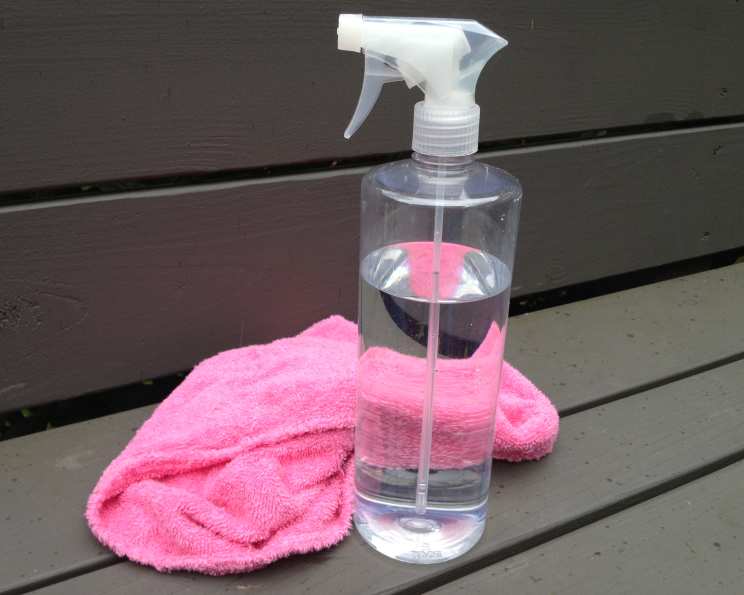
The Secret Weapon for Sparkling Laundry: Homemade ‘Oxygen’ Cleaner
I remember the day my daughter decided to “help” with the laundry, armed with a brand-new tube of bright red lipstick. Let’s just say the pristine white towels didn’t stand a chance. Panicked, I reached for the bleach, the usual suspect in stain removal. But the thought of its harsh chemicals and potential to ruin the colors made me hesitate. It was then I stumbled upon this simple, yet incredibly effective, homemade ‘oxygen’ cleaner. It not only rescued the towels but also opened my eyes to a gentler, more eco-friendly way to tackle stubborn stains.
Recipe Overview
- Prep Time: 5 minutes
- Total Time: 5 minutes (plus soaking time)
- Yields: 2 cups
- Dietary Type: Vegan, Gluten-Free, Dairy-Free, Cruelty-Free
Ingredients
- 1 cup hot water
- 1/2 cup baking soda
- 1/2 cup hydrogen peroxide
Equipment Needed
- Large bowl or container
- Measuring cups
- Spoon or whisk
Instructions
- Begin by pouring 1 cup of hot water into a large bowl or container. The heat helps dissolve the baking soda effectively.
- Add 1/2 cup of baking soda to the hot water. Stir well until the baking soda is completely dissolved. You should no longer see any gritty particles at the bottom of the bowl.
- Pour in 1/2 cup of hydrogen peroxide. Gently stir the mixture to combine. Be careful not to splash.
- Soak the stained clothing in the solution for at least 20 minutes. For older, more stubborn stains, you can soak the clothing overnight.
- After soaking, wash the clothing as you normally would in your washing machine.
Expert Tips & Tricks
- For extra cleaning power, pre-treat heavily stained areas by gently rubbing the ‘oxygen’ cleaner directly onto the stain before soaking.
- Always test the cleaner on an inconspicuous area of the fabric first to ensure colorfastness, especially with delicate or brightly colored items.
- Make sure the baking soda is fully dissolved before adding hydrogen peroxide. Undissolved baking soda can leave a white residue on your clothes.
- Sunlight is a natural stain remover. After washing, hang your clothes outdoors to dry. The sun’s rays can help to further lift any remaining stains and brighten your whites.
- This cleaner is best used immediately after preparation. Hydrogen peroxide can degrade over time, so making it fresh ensures maximum effectiveness.
Serving & Storage Suggestions
This homemade ‘oxygen’ cleaner is not intended for consumption and should be stored out of reach of children and pets. Since it’s designed for immediate use, storing the mixture isn’t generally recommended. Any leftover solution can be safely diluted with plenty of water and poured down the drain. However, because hydrogen peroxide decomposes over time, its effectiveness diminishes rapidly after mixing. Thus, it’s best to make only the amount you need for each laundry load.
Nutritional Information
Since this is a cleaning product and not food, there is no nutritional information available.
Variations & Substitutions
While the combination of baking soda, hydrogen peroxide, and hot water is highly effective, here are a few variations and substitutions you can try:
- Essential Oils: Add a few drops of your favorite essential oil, such as lavender or lemon, for a pleasant scent. Be sure to choose oils that are safe for fabrics.
- Vinegar Boost: For extra stain-fighting power, add 1/4 cup of white vinegar to the mixture. However, never mix vinegar directly with hydrogen peroxide in a closed container, as it can create dangerous fumes. Instead, add the vinegar to the soaking water after the baking soda and hydrogen peroxide solution has been diluted.
- Borax Alternative: While baking soda is the key ingredient, some people prefer using borax. If so, you can substitute 1/2 cup of borax for the 1/2 cup of baking soda. Be mindful of borax safety precautions and keep out of reach of children.
FAQs (Frequently Asked Questions):
Q: Will this cleaner harm colored fabrics?
A: While this cleaner is generally considered safe for colors, it’s always best to test it on an inconspicuous area first to ensure colorfastness. If you notice any color bleeding, discontinue use.
Q: Can I use this cleaner on all types of fabrics?
A: This cleaner is generally safe for most fabrics, including cotton, linen, and synthetic blends. However, avoid using it on delicate fabrics like silk or wool, as it may cause damage.
Q: How long should I soak the clothing?
A: For most stains, a 20-minute soak is sufficient. For older or more stubborn stains, you can soak the clothing overnight.
Q: Can I add this cleaner directly to my washing machine?
A: Yes, you can add the cleaner directly to your washing machine’s drum or detergent dispenser. However, it’s best to soak the clothing beforehand for optimal results.
Q: Is this cleaner safe for septic systems?
A: Yes, the ingredients in this cleaner are generally considered safe for septic systems, as they are biodegradable and non-toxic.
Final Thoughts
The satisfaction of pulling a stain-free garment from the washing machine, knowing you achieved it with a simple, homemade solution, is truly unmatched. This ‘oxygen’ cleaner has become a staple in my laundry routine, a testament to the power of simple, natural ingredients. I encourage you to give it a try and experience the joy of eco-friendly stain removal. Don’t hesitate to share your results and any variations you discover – I’m always eager to learn from fellow home chefs! Perhaps pair your freshly cleaned clothes with a linen spray infused with lavender for an extra touch of freshness. Happy cleaning!