
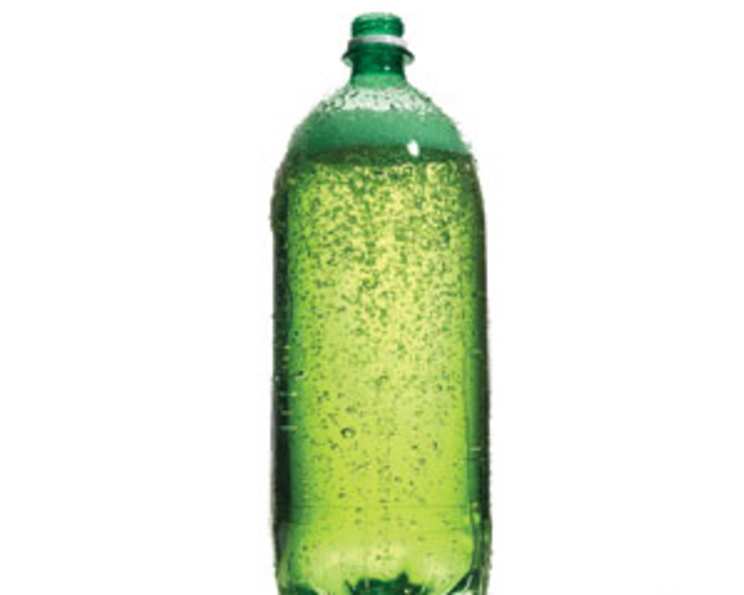
Homemade Electrolyte Solution: Revitalize Naturally
My earliest memory of needing a pick-me-up after a bout of summer sickness involves lukewarm, artificially flavored electrolyte drinks. The neon colors and medicinal taste were a far cry from comforting, but they did the trick. As a chef and, more importantly, as a parent, I knew there had to be a better way – a way to replenish those vital electrolytes with wholesome ingredients and a flavor profile that actually tasted good. That’s how I started experimenting with homemade electrolyte solutions, and I’m excited to share this simple and effective recipe with you.
Recipe Overview
- Prep Time: 5 minutes
- Total Time: 6 minutes
- Yields: 2 liters
- Serves: 8
- Dietary Type: Gluten-Free, Dairy-Free, Vegan
Ingredients
- 8 1/4 cups water
- 1 – 1 1/2 teaspoons Morton Lite Salt (Sea salt if not Morton Lite Salt. The key is to add KCl not just NaCl. Morton Lite is half and half)
- 1/2 – 1 teaspoon baking soda
- 1 teaspoon gelatin powder (Jel-O)
- 2 tablespoons sugar (If honey is not used, see below, then the recipe calls for 4-6 tablespoons of sugar, to taste)
- 1/3 cup raw honey (Do not use honey if this drink is to be served to children under 12 months old)
- 2/3 cup fresh lemon juice (about 4-6 lemons)
Equipment Needed
- Pyrex measuring cup
- 2-liter bottle (or larger)
- Stirring spoon or whisk
Instructions
-
Heat up 1 cup of very hot water (not necessarily boiling, but pretty hot) in a Pyrex measuring cup. The heat will help the powders dissolve properly.
-
Add the powdered ingredients (Morton Lite Salt, baking soda, and gelatin powder) to the hot water. Stir until completely dissolved. Make sure there are no clumps remaining.
-
If using honey, pour it into the Pyrex cup. This helps to get all of it out of the jar.
-
Add the honey to your 2-liter bottle, letting it pour in for about 30 seconds. Use 1 cup of the hot water from the Pyrex measuring cup to rinse out any residual honey from the cup and into the bottle. You should now have a total of 2 cups of water in the bottle, along with all the powdered ingredients and the honey.
-
Measure out the lemon juice in the mostly clean Pyrex cup and add it to the bottle.
-
The concoction will foam up upon addition of the lemon juice… don’t panic! This is a normal reaction between the baking soda and the lemon juice.
-
Stir or shake the bottle gently to mix all of the ingredients thoroughly. The foam will dissipate quickly. Avoid shaking vigorously, as this can create excess foam.
-
Add the remaining water (~6.2 cups) to top off the bottle.
-
Serve the electrolyte solution over ice and enjoy.
-
You may want to stretch this recipe by adding Airborne tablets or equivalent and additional water.
Expert Tips & Tricks
- Salt Selection: The type of salt matters in this recipe. Morton Lite Salt is a blend of sodium chloride (NaCl) and potassium chloride (KCl), providing a broader range of electrolytes than regular table salt. If you’re using sea salt, be sure to increase the amount slightly to compensate for the lack of potassium chloride. Potassium is very essential in rehydrating.
- Honey Handling: Warming the honey slightly before adding it to the bottle makes it easier to pour and dissolve. You can do this by microwaving it for a few seconds or placing the honey jar in a bowl of warm water.
- Sweetness Adjustment: The amount of sugar or honey can be adjusted to your preference. Start with the recommended amount and add more to taste, keeping in mind the sugar content of the lemon juice as well.
- Foam Control: Adding the lemon juice slowly can help minimize the foaming reaction. Tilt the bottle slightly and pour the juice down the side.
- Flavor Enhancement: For a more complex flavor, try adding a few slices of cucumber, mint leaves, or ginger to the bottle. Let it steep in the refrigerator for a few hours before serving.
- Adjusting for kids: Sometimes it is hard to get little ones to accept the taste. I find that adding a little bit of their favorite juice can help.
Serving & Storage Suggestions
This homemade electrolyte solution is best served chilled over ice. It can be stored in the refrigerator for up to 3 days. Be sure to keep it tightly sealed to prevent contamination and maintain its freshness. It is not recommended to freeze this solution, as it can alter the texture and flavor. For on-the-go hydration, pour it into a reusable water bottle.
Nutritional Information
| Nutrient | Amount per Serving | % Daily Value |
|---|---|---|
| Calories | 60.9 kcal | 3% |
| Total Fat | 0.1 g | 0% |
| Saturated Fat | 0 g | 0% |
| Cholesterol | 0 mg | 0% |
| Sodium | 87.4 mg | 4% |
| Total Carbohydrate | 16.3 g | 6% |
| Dietary Fiber | 0.1 g | 0% |
| Sugars | 15.3 g | 31% |
| Protein | 0.4 g | 1% |
Note: Nutritional information is an estimate and may vary based on specific ingredients and portion sizes.
Variations & Substitutions
- Sweetener Alternatives: If you’re looking for a sugar-free option, consider using stevia or erythritol to taste. Start with a small amount, as these sweeteners can be quite potent.
- Citrus Swaps: While lemon juice is the traditional choice, you can experiment with other citrus fruits like lime, orange, or grapefruit. Adjust the amount to taste, as each fruit has a different level of acidity.
- Herbal Infusions: Enhance the flavor and health benefits of your electrolyte solution by adding herbal infusions. Chamomile, lavender, or rose petals can create a calming and refreshing drink. Simply add a small amount of dried herbs to the hot water in step 1 and let it steep for 5-10 minutes before straining.
- Coconut Water Boost: For an extra boost of electrolytes, substitute some of the water with coconut water. Coconut water is naturally rich in potassium and other minerals.
FAQs (Frequently Asked Questions)
Q: Why is it important to use Morton Lite Salt and not just regular table salt?
A: Morton Lite Salt contains both sodium chloride and potassium chloride, which provides a more balanced electrolyte profile for rehydration. Regular table salt only contains sodium chloride.
Q: Can I use bottled lemon juice instead of fresh lemon juice?
A: While fresh lemon juice is preferred for its flavor and nutritional value, bottled lemon juice can be used in a pinch. Be sure to choose a high-quality brand without added preservatives or sugar.
Q: Is this electrolyte solution safe for infants?
A: Do not use honey in this recipe if serving to children under 12 months old. Consult with a pediatrician before giving any electrolyte solution to infants.
Q: How long will this electrolyte solution stay good in the refrigerator?
A: This homemade electrolyte solution can be stored in the refrigerator for up to 3 days.
Q: Can I use this solution after intense exercise?
A: Yes, this homemade electrolyte solution is a great way to replenish electrolytes lost through sweat during exercise.
Final Thoughts
Creating your own homemade electrolyte solution is not only simple but also gives you complete control over the ingredients. You can customize the flavor and sweetness to your liking, ensuring a more enjoyable and effective way to rehydrate. I encourage you to give this recipe a try and experience the benefits of natural electrolytes. Don’t hesitate to adjust the ingredients and flavors to suit your personal preferences. Happy hydrating!