
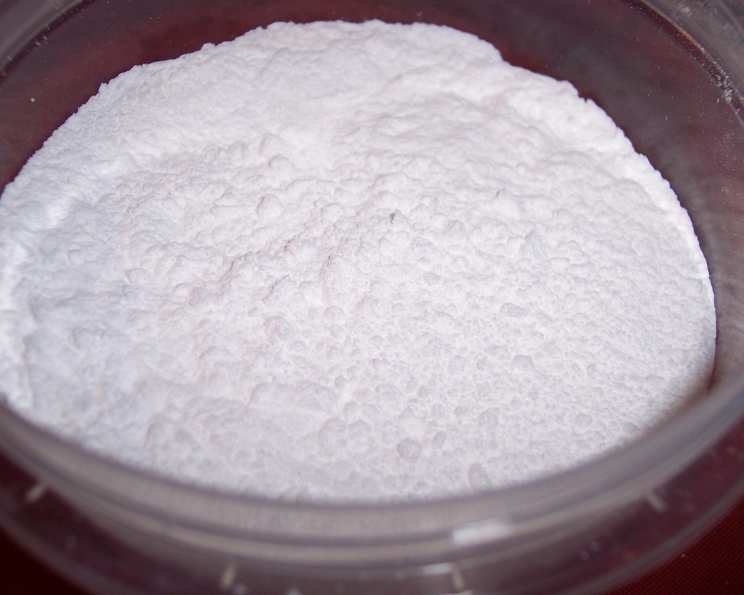
The Secret to Silky Smooth: Mastering Homemade Powdered Sugar
I remember the first time I encountered a dusting of perfect powdered sugar. It was on a batch of beignets during a family trip to New Orleans. The way the fine, almost ethereal powder melted on my tongue, leaving a delicate sweetness, was pure magic. From that moment, I was determined to unlock the secret of this baker’s staple, and I’ve discovered that the best way is to simply make it myself. Forget store-bought – with just two ingredients and a trusty blender, you can whip up a batch of powdered sugar that’s fresher, finer, and infinitely more delightful.
Recipe Overview
- Prep Time: 2 minutes
- Cook Time: 0 minutes
- Total Time: 5 minutes
- Yields: 1 cup
- Dietary Type: Gluten-Free
Ingredients
- 1 cup granulated sugar
- 1 tablespoon cornstarch
Equipment Needed
- Blender (high-speed recommended)
Instructions
- Combine the granulated sugar and cornstarch in the blender.
- Process the mixture on high speed until a fine powder forms. This may take a minute or two, depending on the strength of your blender. Stop occasionally to scrape down the sides of the blender jar to ensure all the sugar is processed evenly.
- Once the sugar is finely ground and has a smooth, powdery texture, it’s ready to use.
Expert Tips & Tricks
- Use a high-speed blender: While a regular blender can work, a high-speed blender like a Vitamix or Blendtec will produce the finest, silkiest powdered sugar. If you’re using a less powerful blender, you may need to process the mixture for a longer time and scrape down the sides more frequently.
- Don’t over-process: While it’s important to grind the sugar until it’s a fine powder, over-processing can cause the sugar to heat up and clump. Keep a close eye on the mixture and stop blending as soon as it reaches the desired consistency.
- Adjust the cornstarch: The cornstarch helps to prevent the powdered sugar from clumping. If you live in a humid environment, you may want to add a little more cornstarch (up to 2 tablespoons per cup of sugar). Conversely, if you live in a very dry climate, you can reduce the amount of cornstarch to 1 teaspoon.
- Sifting is optional, but recommended: While the blending process should create a fine powder, sifting the finished product through a fine-mesh sieve will remove any remaining lumps and ensure a perfectly smooth texture.
- Flavor infusions: For a unique twist, add a vanilla bean (split and scraped) to the blender along with the sugar and cornstarch. Or, try adding a few drops of lemon or orange extract for a citrusy flavor.
Serving & Storage Suggestions
Homemade powdered sugar can be used in a multitude of ways. Dust it over freshly baked goods like cakes, cookies, and muffins for an elegant finish. Use it to create glazes and icings for doughnuts and pastries. Or, simply sprinkle it on top of fresh fruit or waffles for a touch of sweetness.
To store your homemade powdered sugar, transfer it to an airtight container and store it in a cool, dry place. It will keep for several months. If you notice any clumping, simply sift the sugar before using. Do not refrigerate.
Nutritional Information
| Nutrient | Amount per Serving (1 tbsp) | % Daily Value |
|---|---|---|
| Calories | 30 kcal | 2% |
| Total Fat | 0g | 0% |
| Saturated Fat | 0g | 0% |
| Cholesterol | 0mg | 0% |
| Sodium | 0mg | 0% |
| Total Carbohydrate | 8g | 3% |
| Dietary Fiber | 0g | 0% |
| Sugars | 8g | |
| Protein | 0g | 0% |
Variations & Substitutions
- Gluten-Free: This recipe is naturally gluten-free, as it only contains sugar and cornstarch. However, it’s always a good idea to check the label of your cornstarch to ensure it’s certified gluten-free, especially if you have a severe gluten allergy.
- Flavor Extracts: Experiment with different extracts to create flavored powdered sugar. Vanilla, almond, lemon, and peppermint extracts all work well. Add a few drops of extract to the blender along with the sugar and cornstarch.
- Brown Sugar Powdered Sugar: For a richer, more caramel-like flavor, substitute half of the granulated sugar with packed light brown sugar. The color will be darker, and the taste will have a hint of molasses.
- Spiced Powdered Sugar: Add a pinch of ground cinnamon, nutmeg, or ginger to the blender for a warm, spiced flavor. This is perfect for dusting over pumpkin pie or gingerbread cookies.
FAQs (Frequently Asked Questions)
Q: Why is cornstarch added to powdered sugar?
A: Cornstarch acts as an anti-caking agent. It helps to absorb moisture and prevent the sugar from clumping together, ensuring a smooth, powdery texture.
Q: Can I use arrowroot powder instead of cornstarch?
A: Yes, arrowroot powder is a good substitute for cornstarch. Use the same amount (1 tablespoon per cup of sugar).
Q: My powdered sugar is clumping. What should I do?
A: If your powdered sugar is clumping, you can try sifting it through a fine-mesh sieve to break up the clumps. You can also add a little more cornstarch to the mixture.
Q: How long does homemade powdered sugar last?
A: When stored in an airtight container in a cool, dry place, homemade powdered sugar can last for several months.
Q: Can I use this powdered sugar for making royal icing?
A: Yes, this homemade powdered sugar is perfect for making royal icing. Just be sure to sift it well to remove any lumps.
Final Thoughts
Making your own powdered sugar is not just incredibly simple, but it also opens a world of possibilities in your baking. From adding a touch of elegance to your desserts to creating unique flavor combinations, this simple recipe is a game-changer. So, ditch the store-bought version and experience the joy of making your own – your taste buds (and your baked goods) will thank you! Don’t be afraid to experiment with different flavors and spices to create your own signature powdered sugar. And if you try this recipe, be sure to share your creations and feedback – I’d love to hear how it turns out! Pair it with a batch of homemade chocolate chip cookies for the ultimate treat.