
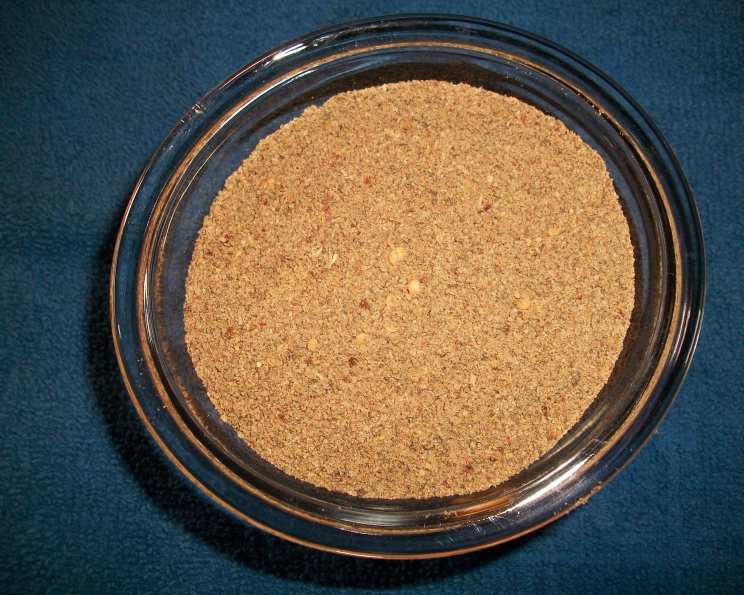
Homemade Thai Seasoning Blend: A Symphony of Southeast Asian Flavors
The first time I truly understood the magic of Thai cuisine was during a bustling street food tour in Bangkok. Each vendor’s stall pulsed with vibrant aromas – the sharp tang of lemongrass, the earthy warmth of ginger, the fiery kick of chili. I remember thinking, “If I could just capture this in a jar, I could bring this incredible culinary experience home.” That’s what led me on a quest to create the perfect homemade Thai seasoning blend, a shortcut to authentic flavor that I could use anytime, anywhere. This blend is more than just spices; it’s a passport to the heart of Thai cooking.
Recipe Overview
- Prep Time: 5 minutes
- Ready In: 5 minutes
- Yields: Approximately 1/4 cup
- Dietary Type: Vegan, Gluten-Free, Dairy-Free
Ingredients
- ½ tablespoon ground cumin
- 1 tablespoon sea salt
- 1 tablespoon fresh ground white pepper
- 1 tablespoon fresh ground black pepper
- 1 tablespoon ground dried hot Thai red chili pepper (adjust to taste)
- 2 tablespoons dried lemongrass (ground powder)
- 2 tablespoons dried lime zest
- 2 tablespoons garlic powder
- 2 tablespoons ground ginger
- 2 tablespoons dried mint
- 2 tablespoons toasted unsweetened coconut, ground
- 1-2 tablespoons brown sugar (optional)
Equipment Needed
- Food processor or mortar and pestle
- Airtight container
Instructions
- Combine all of the ingredients – the ground cumin, sea salt, white pepper, black pepper, Thai red chili pepper, dried lemongrass, dried lime zest, garlic powder, ground ginger, dried mint, ground toasted coconut, and optional brown sugar – in the bowl of a food processor.
- Process the mixture until all of the ingredients are finely ground and evenly combined. Alternatively, if you’re looking for a more rustic approach and enjoy the tactile experience, you can use a mortar and pestle to bash the ingredients together until they form a cohesive blend. This method will yield a slightly coarser texture, which some prefer.
- Once the spice blend is thoroughly mixed, transfer it to an airtight container. Proper storage is key to preserving the freshness and potency of your homemade Thai seasoning.
Expert Tips & Tricks
- Toast your spices: For an even deeper, more complex flavor, lightly toast the cumin, coconut, and chili pepper in a dry pan over medium heat for a few minutes before grinding. Watch them closely to prevent burning!
- Adjust the heat: The beauty of making your own blend is that you can tailor it to your preference. If you’re sensitive to spice, start with a smaller amount of chili pepper and add more to taste. Conversely, if you like things hot, feel free to add extra.
- Freshness is key: Use the freshest spices you can find. The more recently the spices were ground, the more potent and flavorful your blend will be.
- For a smoother blend: If you prefer a very fine powder, you can sift the mixture after processing and re-grind any larger pieces.
- Brown sugar alternative: Palm sugar is a great substitute for brown sugar to keep the recipe authentic.
Serving & Storage Suggestions
This Thai seasoning blend is incredibly versatile. Use it to add a burst of flavor to:
- Meats and Seafood: Sprinkle it on chicken, pork, shrimp, or fish before grilling, roasting, or pan-frying.
- Vegetables: Toss it with roasted vegetables like broccoli, carrots, or bell peppers.
- Grains: Stir it into cooked rice, quinoa, or noodles.
- Marinades: Mix it with coconut milk, soy sauce, and lime juice to create a vibrant marinade for meat, seafood, or tofu.
- Dry Rubs: Use it as a dry rub for ribs, chicken wings, or steak.
- Soups and Stews: Add a pinch to soups and stews for an extra layer of flavor.
To store your homemade Thai seasoning, keep it in an airtight container in a cool, dark place. The spice blend will retain its best flavor for up to 6 months. While it won’t necessarily spoil after that, the flavors will gradually fade.
Nutritional Information
Note: Nutritional information is an estimate and may vary based on specific ingredients used and serving size.
| Nutrient | Amount per Serving (approx. 1 tsp) | % Daily Value* |
|---|---|---|
| Calories | 15 kcal | 1% |
| Total Fat | 0.5g | 1% |
| Saturated Fat | 0.3g | 2% |
| Cholesterol | 0mg | 0% |
| Sodium | 600mg | 26% |
| Total Carbohydrate | 2g | 1% |
| Dietary Fiber | 0.5g | 2% |
| Sugars | 0.3g | 1% |
| Protein | 0.2g | 0% |
*Percent Daily Values are based on a 2,000 calorie diet.
Variations & Substitutions
- Spicy Level: As mentioned earlier, adjust the amount of Thai chili pepper to your liking. For a milder blend, you can use a less potent chili powder like ancho or paprika.
- Sweetness: If you prefer a sweeter blend, increase the amount of brown sugar (or palm sugar) to taste. You can also add a touch of honey or maple syrup.
- Umami Boost: Add a teaspoon of dried shiitake mushroom powder for an extra layer of umami flavor.
- Herb Variations: Experiment with other dried herbs like cilantro, basil, or kaffir lime leaves. Be sure to grind them finely before adding them to the blend.
- Salt Options: For a more nuanced flavor, try using a flavored sea salt, such as smoked sea salt or truffle salt.
FAQs (Frequently Asked Questions)
Q: Can I use fresh lemongrass instead of dried?
A: While fresh lemongrass is delicious, it contains a lot of moisture and will not grind properly for a dry spice blend. Stick to the dried, ground version for best results.
Q: How can I make this blend salt-free?
A: Simply omit the sea salt from the recipe. Keep in mind that the salt contributes to the overall flavor profile, so you may want to add a small amount of another seasoning like kelp powder to compensate.
Q: Is it necessary to toast the coconut before grinding?
A: Toasting the coconut enhances its flavor and aroma, adding a nutty depth to the blend. However, if you’re short on time or prefer a milder coconut flavor, you can skip this step.
Q: How can I tell if my spice blend has gone bad?
A: The easiest way to tell if your spice blend is past its prime is to smell it. If the aroma is weak or non-existent, it’s time to replace it. Also, look for any signs of clumping or discoloration.
Q: Can I use this blend in Thai curry?
A: Absolutely! This blend can be a great addition to Thai curry. Use it in conjunction with curry paste for a more complex flavor, or as a substitute if you don’t have curry paste on hand. Remember to adjust the amount to your taste preferences.
Final Thoughts
Creating your own Thai seasoning blend is a rewarding experience that unlocks a world of culinary possibilities. It’s a simple way to add vibrant, authentic Thai flavor to your favorite dishes, and it allows you to customize the blend to your own taste preferences. So, gather your spices, fire up your food processor (or grab your mortar and pestle), and embark on a flavorful adventure! I encourage you to experiment with different variations and share your creations with friends and family. Pair it with a refreshing glass of Thai iced tea for the ultimate Thai-inspired experience. I hope you find as much joy in using this blend as I have in creating it. Happy cooking!