
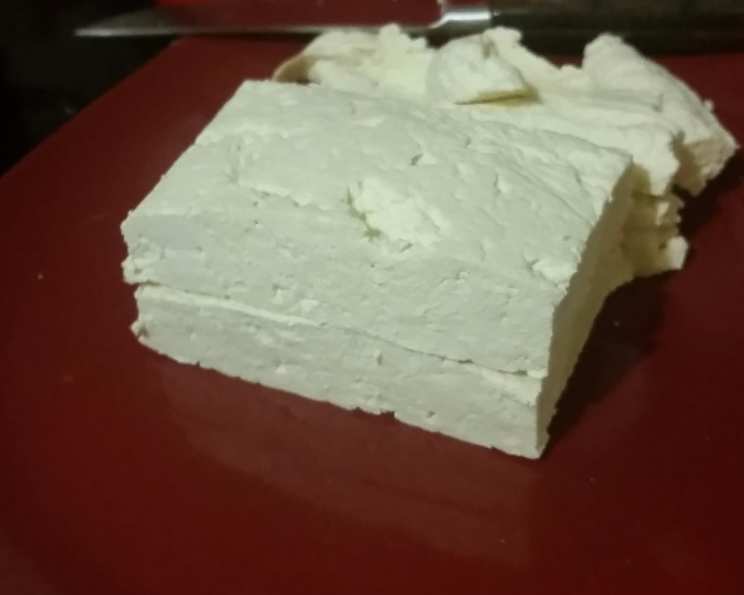
Unlock the Secrets of Silken Goodness: Crafting Homemade Tofu
The first time I tasted truly fresh tofu, it wasn’t in a trendy restaurant or a bustling Asian market. It was at my grandmother’s small, sun-drenched kitchen, hidden away in a quiet corner of Kyoto. She pressed a warm, creamy block into my hands, still slightly trembling from the process. The delicate, almost sweet flavor, so different from the bland, store-bought kind I knew, opened my eyes to the magic of this humble ingredient. It sparked a lifelong culinary adventure – one that I’m thrilled to share with you today.
Recipe Overview: Tofu From Scratch
Here’s a quick look at what you can expect when making tofu at home:
- Prep Time: 15 minutes
- Cook Time: 30 minutes
- Total Time: 45 minutes
- Yields: 14 Oz. block
- Serves: 2
- Dietary Type: Vegan, Gluten-Free, Dairy-Free
Ingredients: The Building Blocks of Flavor
This recipe is beautifully simple, requiring only a handful of key ingredients. The quality of your soy milk will have a big impact on the final product, so be sure to choose a brand you enjoy. If you are feeling extra adventurous, try making your own soy milk!
- 12 cups soymilk (preferably homemade)
- 1 teaspoon nigari (magnesium chloride)
- 1 cup warm water
Equipment Needed: Setting the Stage for Success
Gathering your tools before you begin will ensure a smooth and enjoyable tofu-making experience.
- Large pot
- Thermometer
- Measuring cups and spoons
- Whisk
- Cheesecloth or tofu cloth
- Tofu mold or colander
- Weight (plate or other heavy object)
Instructions: A Step-by-Step Guide to Tofu Perfection
Making tofu at home is a surprisingly straightforward process. Follow these steps carefully, and you’ll be enjoying fresh, homemade tofu in no time.
-
Bring the soymilk to a boil: Pour the soymilk into a large pot and place it on the stove over medium-high heat. Bring the soymilk to a rolling boil, watching carefully to prevent it from boiling over.
-
Cool the soymilk: Once the soymilk has reached a boil, turn off the heat and allow it to cool to a temperature between 180 – 200 degrees F (82 – 93 degrees C). Use a thermometer to monitor the temperature accurately. This step is crucial for proper coagulation.
-
Prepare the nigari solution: While the soymilk is cooling, dissolve 1 teaspoon of nigari in 1 cup of warm water. Stir until the nigari is completely dissolved. This is your coagulant, which will transform the soymilk into tofu.
-
Add the nigari solution: Once the soymilk has cooled to the correct temperature, slowly pour 1/2 cup of the nigari solution into the pot. Lightly stir the soymilk with a whisk to distribute the nigari evenly.
-
Observe and add more nigari: Wait for 2-3 minutes and observe the soymilk. You should start to see the soybean curd separating from the liquid (whey). If the separation is not sufficient, gradually add more of the nigari solution, a little at a time, until the curd clearly separates from the whey. Be careful not to over-coagulate, as this can result in a tough texture.
-
Strain the curd: Line a tofu mold or colander with cheesecloth or a dedicated tofu cloth. Carefully pour the curd and whey mixture into the lined mold.
-
Press the tofu: Fold the cheesecloth over the curd. Place a plate or other heavy object on top of the folded cheesecloth to press the tofu. The more you press, the firmer the tofu will become.
-
Adjust the pressure: Begin with a lighter weight for about 15 minutes, allowing the excess whey to drain. If you desire firmer tofu, increase the weight and continue pressing for another 15-30 minutes, or even longer. Pressing time and weight are easily adjusted to reach a personal preference for texture.
-
Cool and store: Once the tofu has reached your desired firmness, remove it from the mold and gently unwrap the cheesecloth. Immediately use your fresh tofu, or transfer the pressed tofu to a clean container filled with fresh water. Store the covered container in the refrigerator.
Expert Tips & Tricks: Elevating Your Tofu Game
- Soymilk Quality: The better the soymilk, the better the tofu. Try to find soymilk with minimal additives for the best results. Fresh, homemade soymilk is ideal.
- Temperature Control: Precise temperature control is important. Too hot and the tofu can be grainy; too cold and it may not set properly.
- Nigari Consistency: Start with less nigari, you can always add more. Too much nigari will result in bitter and overly firm tofu.
- Pressing for Texture: Experiment with different pressing times and weights to achieve your preferred tofu texture.
- Flavor Infusion: Before pressing, consider adding herbs, spices, or even a splash of soy sauce to infuse your tofu with extra flavor.
Serving & Storage Suggestions: Enjoying Your Homemade Tofu
Freshly made tofu is a versatile ingredient that can be enjoyed in countless ways. Serve it immediately, or store it properly to preserve its freshness.
- Serving Suggestions: Enjoy your homemade tofu in stir-fries, salads, soups, or as a meat substitute in your favorite recipes. Marinate and bake or pan-fry for a crispy exterior, or blend into smoothies and desserts for a creamy texture.
- Storage: Store the tofu in water in a covered container in the refrigerator. Change the water daily to keep the tofu fresh. Homemade tofu will typically last for 3-5 days in the refrigerator. It is not generally recommended to keep it at room temperature.
- Freezing: While you can freeze tofu, it will alter the texture, making it chewier and more porous. If freezing, press the tofu well to remove excess water before freezing, then thaw it completely before using.
- Reheating: Reheat tofu gently in a pan, oven, or microwave. Avoid overheating, as this can dry it out.
Nutritional Information: A Healthy Choice
Here’s an approximate nutritional breakdown per serving of homemade tofu:
| Nutrient | Amount per Serving | % Daily Value |
|---|---|---|
| Calories | 787.3 kcal | N/A |
| Calories from Fat | 229 g | 29% |
| Total Fat | 25.5 g | 39% |
| Saturated Fat | 3 g | 14% |
| Cholesterol | 0 mg | 0% |
| Sodium | 747.1 mg | 31% |
| Total Carbohydrate | 91.6 g | 30% |
| Dietary Fiber | 8.8 g | 35% |
| Sugars | 58.2 g | 232% |
| Protein | 47.7 g | 95% |
Note: Nutritional information can vary depending on the specific ingredients used and serving size.
Variations & Substitutions: Customizing Your Tofu
- Different Coagulants: While nigari is commonly used, you can also experiment with gypsum (calcium sulfate) or Epsom salts (magnesium sulfate). Each coagulant will produce a slightly different texture.
- Flavored Soymilk: Use flavored soymilk, such as vanilla or chocolate, to create unique dessert-style tofu.
- Herbed Tofu: Add fresh herbs like basil, cilantro, or chives to the soymilk before coagulation for an aromatic twist.
- Spicy Tofu: Mix in chili flakes or a dash of hot sauce for a fiery kick.
- Firmness Levels: Adjust the pressing time and weight to achieve your desired firmness, from silken tofu to extra-firm.
FAQs (Frequently Asked Questions)
Q: What is Nigari and where can I find it?
A: Nigari is magnesium chloride, a natural salt derived from seawater. It’s used as a coagulant to turn soymilk into tofu. You can find it at Asian markets, health food stores, or online.
Q: Can I use store-bought soymilk for this recipe?
A: Yes, you can use store-bought soymilk. Choose a plain, unsweetened variety with minimal additives for the best results. Homemade soymilk will usually produce the highest-quality tofu.
Q: Why is my tofu grainy?
A: Grainy tofu can be caused by overheating the soymilk or using too much nigari. Make sure to monitor the temperature carefully and add the nigari solution gradually.
Q: How long does homemade tofu last?
A: Homemade tofu will typically last for 3-5 days in the refrigerator if stored in water, with the water changed daily.
Q: Can I make silken tofu with this recipe?
A: Yes, you can make silken tofu by using less nigari and skipping the pressing step. Simply allow the curd to set in the pot and then gently transfer it to a container.
Final Thoughts: Embrace the Craft of Homemade Tofu
Making tofu at home is a rewarding experience that connects you to the roots of this ancient food. It allows you to customize the flavor and texture to your liking and appreciate the simple ingredients that come together to create something truly special. Don’t be afraid to experiment, share your creations, and embrace the delicious journey of crafting your own homemade tofu! I encourage you to pair it with a vibrant stir-fry or a delicate miso soup for a complete and satisfying meal.