
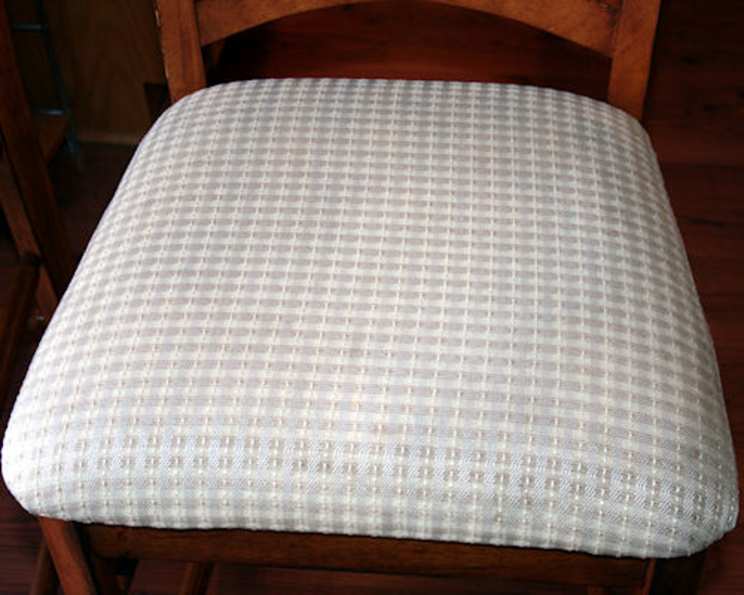
The Miracle Upholstery Cleaner That Saved My Sanity (and My Sofa!)
I’ll never forget the day my beloved cream-colored sofa became an abstract expressionist masterpiece courtesy of my toddler and a tube of bright red lipstick. My heart sank faster than a lead weight in the ocean. Store-bought cleaners seemed too harsh, too chemical-laden for something my family snuggled on daily. I pictured hours of laborious scrubbing. That’s when I stumbled upon a simple, homemade upholstery cleaner recipe. The relief I felt when those crimson smears vanished with minimal effort? Pure bliss. It wasn’t just about cleaning; it was about reclaiming a space, a semblance of order, and a little bit of my sanity.
Recipe Overview
- Prep Time: 5 minutes
- Yields: 2 cups
Ingredients
- 6 tablespoons pure soap flakes (make your own with a cheese grater and a bar of plain soap.)
- 1 pint boiling water
- 2 tablespoons borax
Equipment Needed
- Mixing bowl
- Whisk or electric mixer (stand mixer recommended)
- Rough cloth or brush
- Clean, damp cloth
Instructions
-
In a mixing bowl, combine the soap flakes and boiling water. Stir until the soap flakes are mostly dissolved.
-
Add the borax to the mixture and stir well to combine.
-
Let the mixture cool completely. As it cools, it will begin to gel.
-
Once cooled and gelled, use a whisk or electric mixer to beat the mixture until it forms a light, airy foam. A stand mixer makes this step significantly easier.
-
Using a rough cloth or brush, apply the foam only to the upholstery you wish to clean. Be careful not to soak the fabric with the liquid at the bottom of the bowl.
-
Scrub the upholstery gently but firmly with the foamy cleaner.
-
As you work, use a clean, damp cloth to wipe away the soiled suds.
-
Re-beat the remaining soap mixture as necessary to generate more scrubbing bubbles.
-
Allow the upholstery to air dry completely. The fabric should dry relatively quickly since you’re only using the foam.
Expert Tips & Tricks
- Soap Selection is Key: Use a pure, unscented soap for best results. Avoid soaps with added moisturizers or dyes, as these can leave a residue on your upholstery.
- Make Your Own Soap Flakes: Grating your own soap flakes from a bar of plain soap ensures you know exactly what’s going into your cleaner. This also allows you to choose a soap specifically designed for sensitive skin, which is ideal for households with small children or pets.
- Pre-Test in an Inconspicuous Area: Before applying the cleaner to the entire surface, test it in a hidden area to ensure it doesn’t discolor or damage the fabric.
- Don’t Over-Saturate: The most common mistake is using too much liquid. Only apply the foam and avoid saturating the fabric to prevent water stains or mildew growth.
- Agitation is Important: The scrubbing action helps lift dirt and stains from the fabric fibers. Don’t be afraid to put a little elbow grease into it, but avoid scrubbing too aggressively, which could damage delicate fabrics.
- Use a Stiff Brush for Textured Fabrics: For textured fabrics, a stiff-bristled brush can help you reach into the grooves and crevices to remove embedded dirt.
- Sunlight Can Help: After cleaning, position the cleaned item in direct sunlight to aid in drying and further reduce any lingering odors.
- Tackle Fresh Stains Immediately: The sooner you address a stain, the easier it will be to remove. Blot up any excess liquid immediately with a clean cloth before applying the cleaner.
- For Stubborn Stains: Mix a little baking soda into the foam before applying to help lift stubborn stains.
- Use a Wet/Dry Vacuum: If you have a wet/dry vacuum, use it to extract any remaining moisture and cleaner residue from the upholstery after wiping with a damp cloth.
Serving & Storage Suggestions
This cleaner is intended for use on upholstery and is not edible. Store the unused portion of the cleaner in an airtight container in a cool, dry place. It should last for several weeks. Be sure to label the container clearly to avoid accidental ingestion. Re-beat the mixture before each use to restore its foamy consistency. While this cleaner is effective, it is not a substitute for professional upholstery cleaning for heavily soiled or delicate items.
Nutritional Information
This recipe is for an upholstery cleaner and does not contain any nutritional value.
| Nutrient | Amount per Serving | % Daily Value |
|---|---|---|
| Calories | 0 kcal | 0% |
| Total Fat | 0 g | 0% |
| Saturated Fat | 0 g | 0% |
| Cholesterol | 0 mg | 0% |
| Sodium | 7.1 mg | 0% |
| Total Carbohydrate | 0 g | 0% |
| Dietary Fiber | 0 g | 0% |
| Sugars | 0 g | 0% |
| Protein | 0 g | 0% |
Variations & Substitutions
- Scented Soap: If you prefer a light scent, use a pure soap with natural essential oils, such as lavender or citrus. Be sure to test it in an inconspicuous area first to ensure it doesn’t stain the fabric.
- Vinegar Boost: For extra stain-fighting power, add a tablespoon of white vinegar to the mixture. Vinegar is a natural disinfectant and deodorizer. Again, test in an inconspicuous area first.
- Essential Oil Enhancement: Add a few drops of your favorite essential oil (like tea tree for its antibacterial properties, or lemon for a fresh scent) to the foam before applying.
- Castile Soap Alternative: Castile soap is a great alternative to regular bar soap. It is gentle and effective for cleaning.
- Sensitive Skin Formula: If you have sensitive skin, consider wearing gloves when using this cleaner to avoid any potential irritation from the borax. You could also experiment with reducing the amount of borax slightly.
FAQs (Frequently Asked Questions)
Q: Can I use this cleaner on all types of upholstery?
A: It’s always best to test the cleaner in an inconspicuous area first, as some delicate fabrics may be sensitive to the ingredients. Avoid using on materials that are not water-safe.
Q: How do I know if I’m using too much liquid?
A: If the fabric is becoming excessively wet, you’re using too much liquid. Focus on applying only the foam and blotting up any excess moisture immediately.
Q: Can I use this cleaner on my carpets?
A: While this cleaner can be used on some carpets, it’s best to test it in a hidden area first. Be sure to rinse the carpet thoroughly with clean water after cleaning to remove any soap residue.
Q: What if the stain is still there after cleaning?
A: For stubborn stains, you may need to repeat the cleaning process or try a stronger stain remover specifically designed for upholstery.
Q: How often should I clean my upholstery?
A: Regular cleaning, such as vacuuming, should be done weekly. Deep cleaning with this homemade cleaner can be done every few months, or as needed for spills and stains.
Final Thoughts
Give this simple upholstery cleaner a try. I’m confident you’ll be amazed by the results. It’s gentle, effective, and a fantastic alternative to harsh chemicals. Don’t be afraid to experiment with subtle variations to tailor it to your specific needs. Share your feedback and your own cleaning triumphs. After all, a clean home is a happy home, and a little DIY magic can go a long way in preserving the beauty and comfort of your favorite furniture. Happy cleaning!