
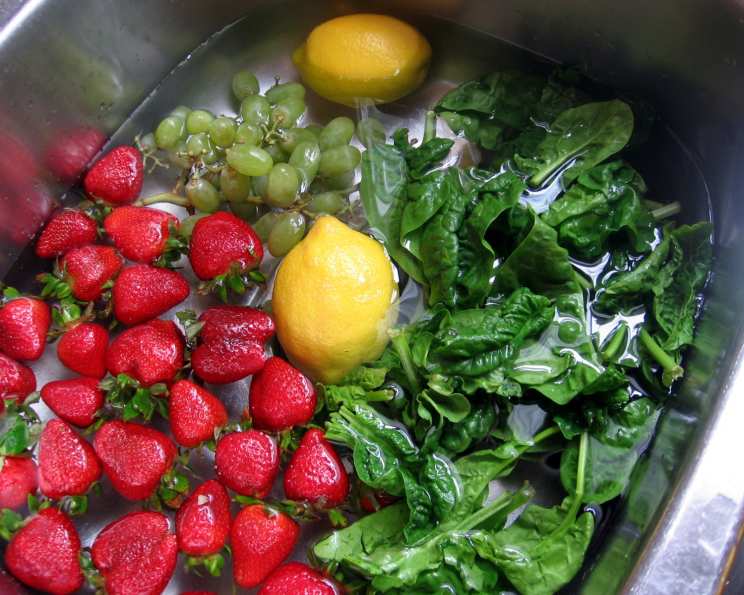
Homemade Vegetable Wash/Preserver That Works! (Spray or Soak)
The memory is etched in my mind: my grandmother, her hands weathered from years of tending her sprawling vegetable garden, meticulously washing each tomato, cucumber, and bell pepper. She’d always have a large enamel basin filled with water, a smaller bowl of something she called “garden magic,” and a soft cloth. As a child, I was fascinated by her ritual, the way she treated each vegetable with such care and reverence. “Dirt ain’t nothin’,” she’d say with a wink, “but you still gotta wash it off right.” Now, years later, I find myself reaching for her “garden magic” recipe – a simple yet remarkably effective homemade vegetable wash that keeps my produce clean, fresh, and bursting with flavor.
Recipe Overview
- Prep Time: 5 minutes
- Total Time: 5 minutes
- Servings: Variable
- Dietary Type: Vegan, Gluten-Free, Dairy-Free, Vegetarian
Ingredients
For the Spray:
- 1 tablespoon fresh lemon juice
- 1 tablespoon baking soda
- 1 cup water
For the Soak:
- 1/4 cup vinegar (white or apple cider vinegar work best)
- 2 tablespoons salt
Equipment Needed
- Spray bottle (for the spray)
- Clean sink, large basin, or bowl (for the soak)
Instructions
- Prepare the Spray: In a clean spray bottle, combine the lemon juice, baking soda, and water. Be cautious, as the mixture will foam up upon combining the ingredients.
- Mix Gently: Gently shake the spray bottle to thoroughly mix the ingredients. Avoid vigorous shaking to prevent excessive foaming.
- Spray Produce: Spray the solution liberally onto the surface of your vegetables or fruit.
- Let Sit: Allow the spray to sit on the produce for approximately 2-5 minutes. This allows the solution to effectively loosen dirt, grime, and any unwanted residues.
- Rinse Thoroughly: Rinse the treated produce thoroughly under cold running water. Ensure all traces of the spray are removed.
- Prepare the Soak: Fill a clean sink, large basin, or bowl with cold water.
- Add Cleaning Agents: Add the vinegar and salt to the cold water.
- Swish to Dissolve: Use your hand to swish the water, ensuring the salt is fully dissolved.
- Submerge Produce: Place your fruits and/or vegetables into the prepared soak.
- Soak Time: Allow the produce to soak for 25-30 minutes. You can even extend the soaking time to over an hour without impacting the flavor. The vinegar acts as a cleaner, while the salt helps to draw out any bugs, dirt, wax, and other unwanted elements.
- Rinse and Dry: Remove the produce from the soak and rinse thoroughly under cold running water. Finally, dry the clean produce with a clean towel or allow it to air dry completely before storing.
Expert Tips & Tricks
- Adjusting the Soak: If using a smaller bowl for the soak, adjust the quantities of vinegar and salt accordingly. For instance, reduce the vinegar to 2 tablespoons and the salt to 1 tablespoon. The proportions are key to achieving the desired cleaning effect.
- Eyeballing the Ingredients: While precise measurements are provided, this recipe is quite forgiving. A little more or less of an ingredient won’t drastically alter the outcome. Feel free to adjust based on your personal preference and the amount of produce you’re cleaning.
- Lemon Juice Substitute: If you don’t have fresh lemon juice, you can use bottled lemon juice as a substitute, although fresh is always preferable for its brighter flavor.
- Vinegar Choice: White vinegar and apple cider vinegar both work well for the soak. White vinegar is generally more effective at removing residue, while apple cider vinegar imparts a slightly milder scent.
- Pre-Soaking Leafy Greens: For leafy greens like lettuce or spinach, the soak is particularly beneficial. The salt helps to release any hidden grit and small bugs that may be lurking within the leaves. Be sure to rinse thoroughly after soaking.
- Enhance Preservation: After washing and drying, store your vegetables properly to maximize their shelf life. Wrap leafy greens in a paper towel before placing them in a storage bag. This will help absorb excess moisture and prevent them from wilting.
Serving & Storage Suggestions
This vegetable wash is not meant to be served as a dish on its own, but rather used as a pre-treatment for your produce. After washing and drying, your fruits and vegetables are ready to be enjoyed in your favorite recipes or as a healthy snack.
Any unused spray can be stored in the refrigerator, but it’s best to use it up within a few days as the lemon juice can lose its potency over time. I generally make a small batch of the spray and discard any leftovers after use. Washed and dried vegetables should be stored in the refrigerator in airtight containers or bags. How long they last will depend on the type of vegetable, but proper washing and drying will significantly extend their freshness.
Nutritional Information
Please note that because the vegetable wash is rinsed off the produce, it contributes negligibly to the final nutritional profile of the food. The nutritional information below represents an estimation of the wash itself, if consumed entirely (which is not recommended).
| Nutrient | Amount per Serving (estimated) | % Daily Value |
|---|---|---|
| Calories | 13.9 kcal | <1% |
| Total Fat | 0 g | 0% |
| Saturated Fat | 0 g | 0% |
| Cholesterol | 0 mg | 0% |
| Sodium | 17718.5 mg | 738% |
| Total Carbohydrate | 1 g | 0% |
| Dietary Fiber | 0 g | 0% |
| Sugars | 0.4 g | 1% |
| Protein | 0.1 g | 0% |
Disclaimer: This nutritional information is an estimate and may vary based on specific ingredients and preparation methods.
Variations & Substitutions
- Herbal Infusion: Add a few sprigs of fresh rosemary or thyme to the soak for added antibacterial properties and a subtle herbal scent. Remove the herbs before adding the produce.
- Citrus Boost: Instead of lemon juice, you can use other citrus juices like lime or orange. The acidity helps to break down dirt and grime.
- Essential Oils: Add a drop or two of food-grade tea tree oil or grapefruit seed extract to the soak for enhanced antibacterial and antifungal properties. Be sure to use these sparingly, as they are quite potent.
- Salt Alternative: If you’re concerned about the sodium content, you can reduce the amount of salt or substitute it with potassium chloride, a salt substitute.
- Vinegar Alternative: You can use hydrogen peroxide to soak your vegetables. Use 1/4 cup of 3% hydrogen peroxide per gallon of water. Soak for 20 minutes, then rinse thoroughly with water.
FAQs (Frequently Asked Questions)
Q: Why is it important to wash my fruits and vegetables?
A: Washing removes dirt, pesticides, bacteria, and other contaminants that can be present on the surface of produce. This helps to protect you from illness and ensures that your food is clean and safe to eat.
Q: Can I use this vegetable wash on all types of fruits and vegetables?
A: Yes, this wash is safe for use on all types of fruits and vegetables, including delicate leafy greens. However, for delicate fruits like berries, reduce the soaking time or use the spray method to avoid damaging them.
Q: How often should I wash my produce?
A: It’s best to wash your produce immediately before you plan to use it. Washing ahead of time can actually promote spoilage, as the added moisture can encourage mold growth.
Q: Can I reuse the soaking water?
A: No, it’s not recommended to reuse the soaking water. Once you’ve soaked a batch of produce, the water will contain dirt and contaminants that you don’t want to transfer to other items.
Q: Is this vegetable wash safe for children and pregnant women?
A: Yes, this wash is made with natural ingredients and is safe for everyone to use. However, as with any food preparation method, it’s important to follow proper hygiene practices and rinse the produce thoroughly after washing.
Final Thoughts
This homemade vegetable wash is more than just a cleaning solution; it’s a connection to simpler times, to my grandmother’s garden, and to the deep satisfaction of knowing where my food comes from. I encourage you to try this simple recipe and experience the difference it makes in the taste and longevity of your produce. Feel free to share your feedback and any variations you discover. Perhaps pair your freshly cleaned vegetables with a homemade vinaigrette for a truly garden-fresh experience!