
The Sparkling Secret: Crafting Your Own Homemade Windex
Ah, the gleam of freshly cleaned windows and mirrors! It takes me back to my childhood, watching my grandmother meticulously cleaning every reflective surface in her home. The scent of ammonia always hung in the air, a strangely comforting aroma that signaled a house transformed from dusty to dazzling. While she swore by the store-bought stuff, I’ve discovered a way to achieve that same sparkling clarity with a simple, cost-effective homemade alternative. This recipe is not just about cleaning; it’s about embracing a little bit of that old-fashioned, resourceful spirit.
Recipe Overview
- Prep Time: 2 minutes
- Servings: Lots! Enough to fill spray bottles
- Yield: Approximately 1 gallon
- Dietary Type: N/A (Cleaning Solution)
Ingredients
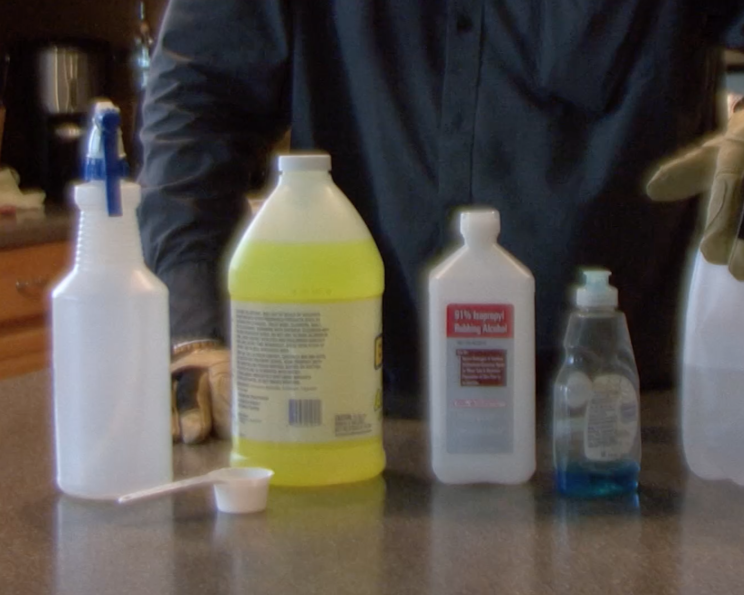
- ½ cup ammonia
- 2 cups rubbing alcohol
- 1 teaspoon Joy dishwashing soap (or other grease-cutting dish soap)
- Water, up to 1 gallon
Equipment Needed
- Large pitcher or bucket (at least 1-gallon capacity)
- Measuring cups
- Measuring spoons
- Spray bottles (preferably recycled!)
Instructions
- In your large pitcher or bucket, carefully pour in ½ cup of ammonia. Always handle ammonia in a well-ventilated area.
- Next, add 2 cups of rubbing alcohol to the pitcher.
- Now, introduce the cleaning power of 1 teaspoon of Joy dishwashing soap (or your favorite grease-cutting brand) to the mix.
- Finally, slowly add water to the pitcher, filling it up to the 1-gallon mark. Stir gently to combine all the ingredients. Be careful not to create excessive suds from the dish soap.
- Pour the solution into your spray bottles. Label the bottles clearly to avoid any confusion.
Expert Tips & Tricks
- Ventilation is Key: Always work in a well-ventilated area when mixing and using this solution, as ammonia fumes can be strong.
- Soap Selection: While I recommend Joy for its excellent grease-cutting ability, you can experiment with other dish soaps. Just be mindful of the amount, as too much soap can leave a residue. Avoid using dish soaps that contain moisturizers, as they can streak.
- Water Temperature for Tough Jobs: For cleaning exterior windows or tackling heavily soiled surfaces, using warm or even hot water can significantly boost the cleaning power of the solution. The heat helps to dissolve dirt and grime more effectively.
- Newspaper for Streak-Free Shine: As my grandmother taught me, crumpled newspaper is your secret weapon for achieving a truly streak-free shine on mirrors and windows. The paper fibers are less likely to leave lint behind compared to paper towels.
- Color Coding: Use different colored spray bottles for each bathroom to avoid cross-contamination.
Serving & Storage Suggestions
This homemade Windex is ready to use immediately! Simply spray the solution onto the surface you want to clean and wipe with a clean cloth or crumpled newspaper. Store the spray bottles in a cool, dark place away from direct sunlight. The solution should remain effective for several months. Discard the cleaning solution when it starts to lose its effectiveness (noticeable change in smell or cleaning power).
Nutritional Information
Since this is a cleaning product and not food, nutritional information is not applicable.
| Nutrient | Amount per Serving | % Daily Value |
|---|---|---|
| Not Applicable | Not Applicable | Not Applicable |
| Not Applicable | Not Applicable | Not Applicable |
| Not Applicable | Not Applicable | Not Applicable |
| Not Applicable | Not Applicable | Not Applicable |
| Not Applicable | Not Applicable | Not Applicable |
Variations & Substitutions
- Scented Version: For a more pleasant aroma, add a few drops of your favorite essential oil to the solution. Lavender, lemon, or tea tree oil are all good options, but be cautious and don’t add too much, as some oils can leave a residue. Start with just 5-10 drops per gallon and adjust to your preference.
- Vinegar Boost: For extra cleaning power, you can substitute up to 1 cup of the water with white vinegar. However, be aware that vinegar has a distinct odor, and it should not be mixed with bleach or other commercial cleaners due to potentially dangerous chemical reactions.
- Eco-Friendly Swap: While ammonia is a very effective cleaner, you can use a more eco-friendly alternative such as borax (sodium borate). Dissolve 1/4 cup of borax in hot water before adding it to the other ingredients. This is less harsh than ammonia but still a good option for general cleaning.
FAQs (Frequently Asked Questions):
Q: Why use homemade Windex instead of buying it from the store?
A: Homemade Windex is significantly cheaper to make, allows you to control the ingredients, and reduces plastic waste by reusing spray bottles.
Q: Is this solution safe to use on all surfaces?
A: While this solution is generally safe for glass, mirrors, and sealed surfaces, it’s always a good idea to test it on an inconspicuous area first, especially on delicate or painted surfaces.
Q: Can I use this to clean my car windows?
A: Yes, this solution can be used to clean car windows. Just be sure to rinse the windows thoroughly with water afterward to remove any residue.
Q: How do I prevent streaks when cleaning with this solution?
A: Use crumpled newspaper or a microfiber cloth to wipe the windows and mirrors. Also, avoid using too much solution, and make sure to wipe the surface dry immediately.
Q: Can I use this solution to clean my computer screen or TV?
A: No, you should never use this solution to clean electronic screens. Use a screen-specific cleaning solution and a microfiber cloth instead.
Final Thoughts
So, there you have it – a simple, effective, and economical recipe for homemade Windex that will leave your windows and mirrors sparkling. It’s a small step towards a more sustainable lifestyle and a return to those simpler times when resourcefulness reigned supreme. Give it a try, experiment with the variations, and share your results. And who knows, maybe you’ll even find yourself enjoying the satisfying scent of ammonia, just like my grandmother did!