
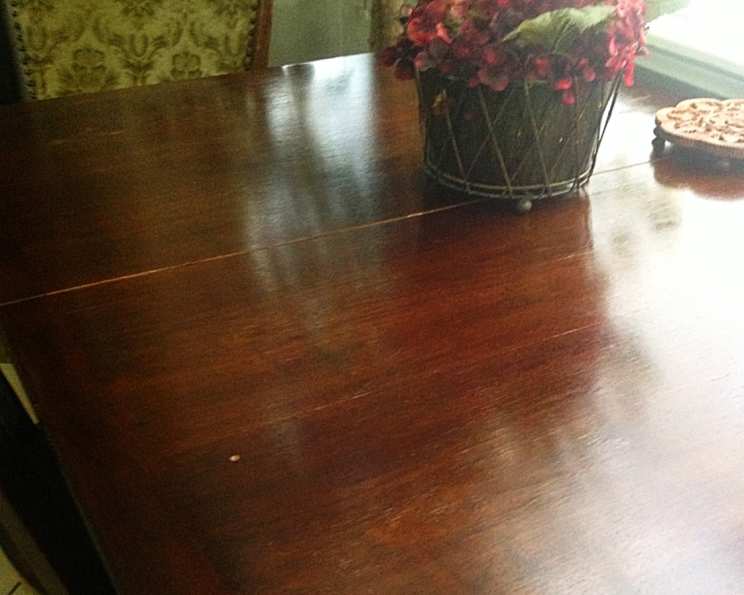
Reviving Memories: The Art of Homemade Wood Furniture Polish
I remember the scent vividly – a bright, citrusy tang mingling with the deep, earthy aroma of beeswax. It wasn’t a store-bought fragrance, but the smell of my grandmother’s kitchen on a Saturday morning. While she wasn’t baking cookies like many grandmothers, she was creating magic in her own way: concocting her own wood furniture polish. The rich, gleaming surfaces of her antique furniture weren’t due to some expensive commercial product, but the fruits of her simple, handcrafted recipe. Each bottle held more than just polish; it held love, care, and a connection to generations past. It’s a tradition I’m thrilled to carry on.
Recipe Overview
- Prep Time: 2 minutes
- Yields: 1 1/2 cups
Ingredients
- 1 cup olive oil
- 1/2 cup lemon juice
Equipment Needed
- Measuring cup
- Measuring spoons
- Bottle or jar for storage
- Flannel wood polish cloths
Instructions
- In a measuring cup, combine 1 cup of olive oil and 1/2 cup of lemon juice.
- Pour the mixture into a clean bottle or jar for storage.
- To use, apply a small amount of the polish to a flannel wood polish cloth.
- Rub the polish onto the wood surface in a circular motion.
- Buff the wood with a clean, dry flannel cloth to remove any excess polish and reveal a beautiful shine.
Expert Tips & Tricks
This homemade wood furniture polish is incredibly simple, but here are a few tips to elevate your wood care:
- Use high-quality olive oil: Extra virgin olive oil is ideal, as it contains natural waxes and emollients that nourish the wood. However, regular olive oil works just fine, too.
- Freshly squeezed lemon juice is best: The natural acids in lemon juice help to cut through grime and buildup, leaving a clean and refreshed surface. Bottled lemon juice can be used in a pinch, but the scent and cleaning power won’t be quite as potent.
- Test in an inconspicuous area: Before applying the polish to an entire piece of furniture, test it in a small, hidden area to ensure it doesn’t discolor or damage the finish.
- Don’t over-apply: A little bit of polish goes a long way. Applying too much can leave a sticky residue.
- Use soft flannel cloths: Flannel is gentle and absorbent, making it perfect for both applying and buffing the polish. Avoid using abrasive cloths, as they can scratch the wood.
- For particularly dirty or grimy surfaces: Try gently wiping the surface with a damp cloth (water only!) before applying the polish. This will remove any loose dirt and debris, allowing the polish to penetrate better.
Serving & Storage Suggestions
This homemade wood furniture polish doesn’t require any special serving instructions! The beauty is in the application.
- Storage: Store the polish in a cool, dark place in an airtight container. It should last for several months. You may notice some separation over time, which is perfectly normal. Simply shake the bottle well before each use.
- Application Frequency: Polish your wood furniture as needed, typically every 1-3 months, depending on how often it’s exposed to dust and dirt.
- Ideal for: This polish works best on finished wood furniture, antiques, and even wood paneling. Avoid using it on unfinished wood, as it may absorb the oil unevenly.
Nutritional Information
This polish isn’t meant to be consumed, so nutritional information doesn’t apply. However, using natural ingredients like olive oil and lemon juice means you’re avoiding harsh chemicals found in many commercial polishes.
| Nutrient | Amount per Serving | % Daily Value |
|---|---|---|
| Calories | Not Applicable | N/A |
| Total Fat | Not Applicable | N/A |
| Saturated Fat | Not Applicable | N/A |
| Cholesterol | Not Applicable | N/A |
| Sodium | Not Applicable | N/A |
| Total Carbohydrate | Not Applicable | N/A |
| Dietary Fiber | Not Applicable | N/A |
| Sugars | Not Applicable | N/A |
| Protein | Not Applicable | N/A |
Variations & Substitutions
While the basic recipe is simple and effective, here are a few variations to customize it to your needs and preferences:
- Essential Oils: Add a few drops of your favorite essential oil for a pleasant scent and added benefits. Lavender is known for its calming properties, while cedarwood is naturally insect-repellent. Start with just 5-10 drops per batch and adjust to your liking.
- Vinegar: For extra cleaning power, substitute a portion of the lemon juice with white vinegar. Start with 1/4 cup of vinegar and 1/4 cup of lemon juice. Be cautious when using vinegar, as it can be acidic. Always test in an inconspicuous area first.
- Beeswax: For a thicker polish with added protection, melt 1-2 tablespoons of beeswax in a double boiler and add it to the olive oil and lemon juice. Allow the mixture to cool completely before using. Note: this will create a paste-like polish.
- Walnut Oil: Substitute the olive oil with walnut oil for a darker finish, particularly suitable for darker wood furniture.
- Orange Juice/Lime Juice: If you don’t have lemon, you can substitue equal parts with orange or lime juice.
FAQs (Frequently Asked Questions)
Q: Why make my own wood furniture polish when I can buy it at the store?
A: Homemade wood furniture polish is often more environmentally friendly, cost-effective, and free from harsh chemicals. Plus, you know exactly what’s going on your furniture!
Q: Can I use this polish on all types of wood furniture?
A: This polish is generally safe for finished wood furniture. Always test in an inconspicuous area first to ensure it doesn’t discolor or damage the finish. Avoid using it on unfinished wood.
Q: How often should I polish my wood furniture?
A: Polish your wood furniture as needed, typically every 1-3 months, depending on how often it’s exposed to dust and dirt.
Q: What if my furniture has a sticky residue after polishing?
A: You likely used too much polish. Buff the surface thoroughly with a clean, dry flannel cloth to remove any excess.
Q: Can I use this polish on my wood floors?
A: It’s not recommended to use this polish on wood floors, as it can make them slippery. Use a product specifically designed for wood floors.
Final Thoughts
Creating your own wood furniture polish is a simple yet rewarding way to care for your cherished pieces and connect with a more sustainable way of living. I encourage you to try this recipe and experience the satisfaction of reviving your furniture with natural ingredients. Share your feedback and any variations you discover – I’d love to hear about your experience! Consider pairing your freshly polished furniture with a vase of vibrant flowers or a cozy throw blanket to complete the inviting atmosphere.