
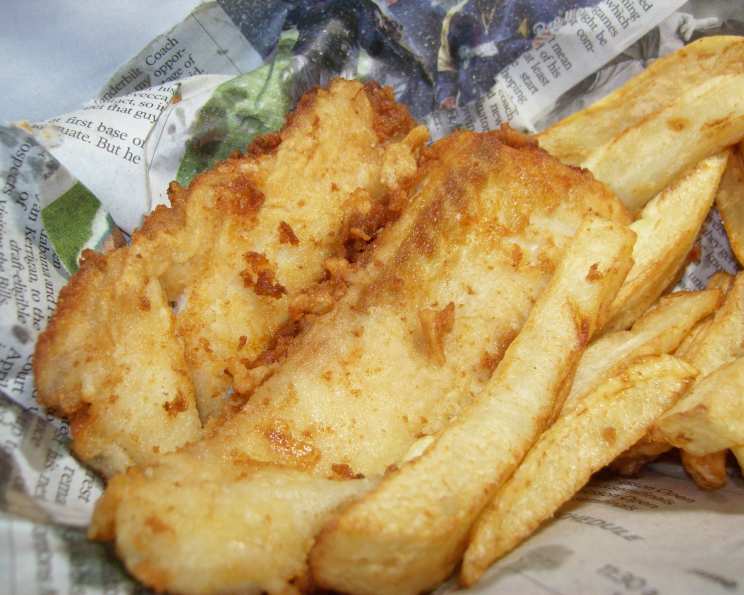
Homestyle Fried Fish Fillets: A Taste of Simple Comfort
I can almost smell it now – the warm, comforting aroma of fried fish wafting through Grandma’s kitchen on a Friday night. The crispy, golden crust, the tender, flaky fish inside… it was a simple meal, but one filled with love and laughter. She never used fancy ingredients or complicated techniques, just good, honest cooking. To this day, the taste of her fried fish takes me right back to those cozy evenings, surrounded by family and feeling utterly content. This recipe is my attempt to recapture that feeling, to share the simple joy of perfectly fried fish with you.
Recipe Overview
- Prep Time: 5 minutes
- Cook Time: 8 minutes
- Total Time: 13 minutes
- Servings: 4
- Yields: 4 4 oz. pieces
- Dietary Type: Not specified
Ingredients
- 1 egg
- ½ cup milk
- 1 lb fish fillet
- ¾ cup all-purpose flour
- 2 teaspoons salt
- ¾ cup shortening
- 3 tablespoons sesame seeds (optional)
Equipment Needed
- 10-inch pan
- Mixing bowl
- Whisk or fork
- Tongs or spatula
Instructions
- In a mixing bowl, beat the egg and milk together until thoroughly blended. This mixture will act as a binder, helping the flour adhere to the fish.
- If desired, add the sesame seeds to the egg and milk mixture. Sesame seeds will add a subtle nutty flavor and a pleasing textural contrast to the fried fish.
- Heat the shortening in a 10-inch pan over medium-high heat. The shortening should be hot enough to sizzle gently when a drop of water is added. Be careful not to overheat the shortening, as this can cause it to smoke and burn, imparting an unpleasant flavor to the fish.
- In a separate shallow dish, combine the all-purpose flour and salt. Mix well to ensure the salt is evenly distributed throughout the flour.
- Dip each fish fillet into the milk mixture, making sure it is fully coated. Allow any excess milk mixture to drip off before proceeding.
- Immediately dip the milk-soaked fillet into the flour and salt mixture, pressing gently to ensure it is evenly coated. Turn the fillet to coat both sides thoroughly.
- Carefully place the floured fillets into the hot shortening, being careful not to overcrowd the pan. Overcrowding the pan will lower the temperature of the shortening and result in soggy, rather than crispy, fish.
- Fry the fillets in the hot shortening until golden brown on both sides, about 3-4 minutes per side. The exact cooking time will depend on the thickness of the fish fillets and the temperature of the shortening. Turn carefully with tongs or a spatula to avoid breaking the fillets.
- Remove the fried fish fillets from the pan and place them on a wire rack lined with paper towels to drain any excess shortening. This will help to keep the fish crispy.
Expert Tips & Tricks
- Choosing the right fish: Flaky white fish like cod, haddock, or tilapia work best for this recipe. Avoid oily fish like salmon or tuna, as they tend to become greasy when fried.
- Achieving a crispy crust: Make sure the shortening is hot enough before adding the fish. A simple test is to drop a tiny bit of flour into the shortening; if it sizzles immediately, it’s ready. Also, avoid overcrowding the pan, as this will lower the temperature and result in a soggy crust.
- Preventing the fish from sticking: Ensure the pan is properly heated and the fish is adequately coated in flour. If the fish still sticks, try using a non-stick pan.
- Adding Flavor: Experiment with different seasonings in the flour mixture. Garlic powder, onion powder, paprika, or cayenne pepper can add a delicious kick.
- Maintaining Oil Temperature: Use a thermometer to monitor the temperature of the oil, keeping it between 325-350°F (160-175°C) for optimal frying.
Serving & Storage Suggestions
Serve these crispy, golden fried fish fillets immediately while they are still hot and crispy. They are delicious on their own, or paired with classic sides like french fries, coleslaw, tartar sauce, or lemon wedges.
To store leftovers, allow the fish to cool completely before placing it in an airtight container. Store in the refrigerator for up to 3 days. Reheat in a preheated oven at 350°F (175°C) for 10-15 minutes, or until heated through. Reheating in the oven will help to restore some of the crispness. While you can microwave the fish, it will likely become soggy. Freezing is not recommended as it can significantly alter the texture.
Nutritional Information
| Nutrient | Amount per Serving | % Daily Value |
|---|---|---|
| Calories | 581.5 kcal | N/A |
| Calories from Fat | 377 g | 65% |
| Total Fat | 42 g | 64% |
| Saturated Fat | 10.9 g | 54% |
| Cholesterol | 113.1 mg | 37% |
| Sodium | 1284.3 mg | 53% |
| Total Carbohydrate | 19.4 g | 6% |
| Dietary Fiber | 0.6 g | 2% |
| Sugars | 0.1 g | 0% |
| Protein | 30.9 g | 61% |
Note: Nutritional information is an estimate and may vary based on specific ingredients and cooking methods.
Variations & Substitutions
- Gluten-Free Fried Fish: Substitute the all-purpose flour with a gluten-free flour blend for a gluten-free option. You may need to adjust the amount of liquid to achieve the desired consistency.
- Spicy Fried Fish: Add a pinch of cayenne pepper or a dash of hot sauce to the flour mixture for a spicy kick.
- Herb-Infused Fried Fish: Mix in dried herbs like thyme, oregano, or parsley into the flour mixture for added flavor.
- Different Types of Shortening: While shortening is used in this recipe, you can substitute it with other frying oils like vegetable oil, canola oil, or peanut oil. Just ensure the oil has a high smoke point.
- Buttermilk Substitute: If you don’t have milk on hand, you can use buttermilk instead. Buttermilk will add a slight tang to the fish.
FAQs (Frequently Asked Questions)
Q: How do I prevent the fish from becoming soggy?
A: Ensure the oil is hot enough before adding the fish and don’t overcrowd the pan. Patting the fish dry with paper towels before coating it in flour can also help.
Q: Can I use frozen fish fillets?
A: Yes, but make sure to thaw them completely and pat them dry before coating and frying. Excess moisture will prevent the fish from getting crispy.
Q: What’s the best way to tell if the fish is cooked through?
A: The fish should be opaque and flake easily with a fork. An internal temperature of 145°F (63°C) is also a good indicator.
Q: Can I use an air fryer instead of frying in oil?
A: Yes, you can adapt this recipe for an air fryer. Spray the coated fish fillets with oil and cook at 400°F (200°C) for about 10-12 minutes, flipping halfway through, until golden brown and cooked through.
Q: How can I keep the fried fish warm if I’m making a large batch?
A: Place the cooked fish on a wire rack in a warm oven (about 200°F or 95°C) until ready to serve. This will help to keep it crispy and prevent it from becoming soggy.
Final Thoughts
So, there you have it – a simple, yet satisfying recipe for homestyle fried fish fillets. It’s a dish that’s perfect for a quick weeknight meal, a casual gathering with friends, or simply when you’re craving a taste of comfort. Don’t be afraid to experiment with different seasonings and variations to make it your own. Gather your ingredients, roll up your sleeves, and get ready to enjoy the simple pleasure of homemade fried fish. I hope this recipe brings as much joy to your table as it has to mine. Let me know what you think and what variations you try! Bon appétit!