
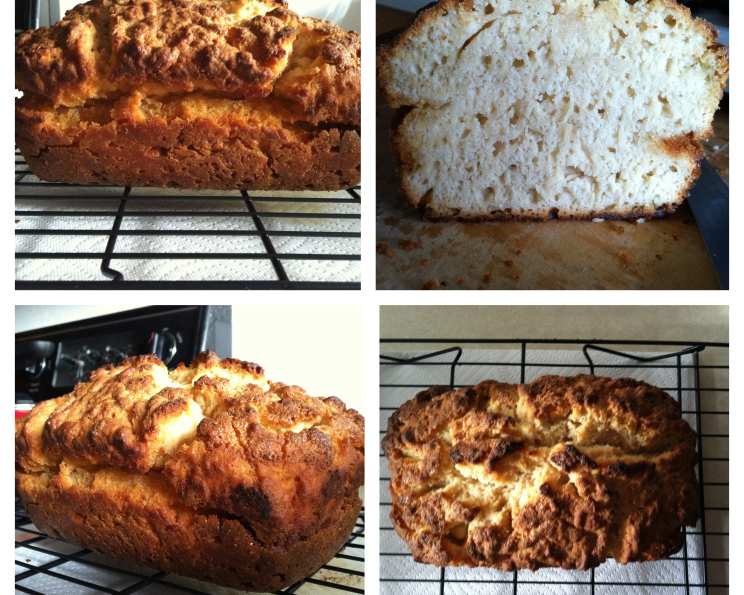
Honey Mead Bread: A Taste of Liquid Gold
The first time I tried mead, it was at a small Renaissance faire in the countryside. The air was thick with the scent of roasted meats and woodsmoke, and the honeyed drink, served in a simple stoneware mug, transported me to another time. Its subtle sweetness and warming character sparked a fascination that would eventually lead me to experiment with it in the kitchen, resulting in this delightful Honey Mead Bread. It’s a loaf that embodies the rustic charm and comforting flavors of medieval feasts, perfect for dipping into hearty soups or slathering with butter and honey.
Recipe Overview
- Prep Time: 15 minutes
- Cook Time: 1 hour
- Total Time: 1 hour 15 minutes
- Servings: 6
- Yield: 1 loaf
- Dietary Type: Not Vegetarian
Ingredients
- 3 cups flour, sifted
- 3 teaspoons baking powder (omit if using self-rising flour)
- 1 teaspoon salt (omit if using self-rising flour)
- 1/4 cup honey
- 12 ounces mead
- 1/2 cup melted butter (use 1/4 cup for a less crunchy crust)
Equipment Needed
- Mixing bowl
- Loaf pan
- Measuring cups and spoons
- Whisk or spatula
- Oven
Instructions
- Preheat your oven to 375 degrees Fahrenheit (190 degrees Celsius). Make sure your oven rack is positioned in the center.
- In a large mixing bowl, combine the flour, baking powder (if using), and salt (if using). Whisk the dry ingredients together thoroughly to ensure even distribution of the baking powder and salt. Sifting the flour is crucial for a lighter texture; don’t skip this step!
- Add the honey and mead to the dry ingredients. Gently stir until just combined. Be careful not to overmix the batter; a few lumps are perfectly fine. Overmixing can develop the gluten in the flour, resulting in a tougher bread.
- Grease a loaf pan generously with butter. This will prevent the bread from sticking and contribute to a beautifully golden crust. Alternatively, you can use a non-stick baking spray.
- Pour the batter into the prepared loaf pan, spreading it evenly.
- Pour the melted butter evenly over the top of the dough. This step is what gives the bread its signature crunchy crust. If you prefer a less crunchy crust, reduce the amount of melted butter to 1/4 cup.
- Bake in the preheated oven for 1 hour. To check for doneness, insert a toothpick or skewer into the center of the bread. If it comes out clean or with only a few moist crumbs attached, the bread is done. If the toothpick comes out with wet batter, continue baking for another 5-10 minutes, checking periodically.
- Once the bread is done, remove it from the oven and let it cool in the pan for about 10 minutes before transferring it to a cooling rack to cool completely. This prevents the bottom of the bread from becoming soggy.
Expert Tips & Tricks
- Sifting is key: Sifting the flour before mixing ensures a lighter, more tender crumb.
- Mead Selection: The type of mead you use will influence the final flavor of the bread. A sweeter mead will result in a sweeter bread, while a drier mead will give it a more subtle honey flavor. Experiment with different varieties to find your favorite!
- Room Temperature Ingredients: For best results, use mead that is close to room temperature. This helps the ingredients combine more easily.
- Adjusting for Altitude: If you live at a high altitude, you may need to adjust the baking time. Start checking for doneness about 10 minutes earlier than the recipe indicates.
- Adding Nuts or Seeds: For added flavor and texture, try adding a handful of chopped nuts (such as walnuts or almonds) or seeds (such as pumpkin or sunflower seeds) to the batter before baking.
- Troubleshooting: If the top of the bread is browning too quickly, tent it loosely with aluminum foil during the last 15-20 minutes of baking.
Serving & Storage Suggestions
Honey Mead Bread is best served warm or at room temperature. It’s delicious on its own or served with butter, honey, jam, or cheese. It also makes a wonderful accompaniment to soups, stews, and salads.
To store, wrap the cooled bread tightly in plastic wrap or place it in an airtight container. It will keep at room temperature for up to 3 days, in the refrigerator for up to 1 week, or in the freezer for up to 2 months.
To reheat, wrap a slice of bread in foil and warm it in a preheated oven at 350 degrees Fahrenheit (175 degrees Celsius) for about 5-10 minutes, or until heated through. You can also toast slices of bread in a toaster or toaster oven.
Nutritional Information
| Nutrient | Amount per Serving | % Daily Value |
|---|---|---|
| Calories | 407 kcal | N/A |
| Total Fat | 16 g | 24% |
| Saturated Fat | 9.8 g | 49% |
| Cholesterol | 40.7 mg | 13% |
| Sodium | 706 mg | 29% |
| Total Carbohydrate | 59.9 g | 19% |
| Dietary Fiber | 1.7 g | 6% |
| Sugars | 11.8 g | N/A |
| Protein | 6.7 g | 13% |
Note: Nutritional information is an estimate and may vary based on specific ingredients and portion sizes.
Variations & Substitutions
- Spiced Mead Bread: Add 1 teaspoon of ground cinnamon, 1/2 teaspoon of ground nutmeg, and 1/4 teaspoon of ground cloves to the dry ingredients for a warmly spiced version.
- Savory Mead Bread: Omit the honey and add 1/2 cup of grated cheese (such as cheddar or Parmesan), 1/4 cup of chopped fresh herbs (such as rosemary or thyme), and a pinch of black pepper to the batter.
- Sweet Mead Bread: add dried cranberries, raisins or chopped dates to the batter.
- Gluten-Free Mead Bread: Substitute the all-purpose flour with a gluten-free all-purpose flour blend. Be sure to check the ingredient list for xanthan gum and add it if it is not already in the flour.
FAQs (Frequently Asked Questions)
Q: Can I use self-rising flour in this recipe?
A: Yes, you can. If using self-rising flour, omit the baking powder and salt from the recipe.
Q: What kind of mead should I use?
A: The type of mead you use will affect the flavor of the bread. A sweeter mead will result in a sweeter bread, while a drier mead will give it a more subtle honey flavor. Experiment with different varieties to find your favorite.
Q: Can I make this recipe without butter?
A: You can substitute the butter with oil, but the crust will not be as crunchy. Coconut oil or olive oil could be used.
Q: How do I know when the bread is done?
A: Insert a toothpick or skewer into the center of the bread. If it comes out clean or with only a few moist crumbs attached, the bread is done.
Q: Can I freeze this bread?
A: Yes, you can freeze this bread. Wrap the cooled bread tightly in plastic wrap or place it in an airtight container before freezing.
Final Thoughts
I urge you to try this Honey Mead Bread recipe. It’s a simple yet satisfying way to bring a touch of history and unique flavor to your table. Whether you’re a seasoned baker or a novice in the kitchen, this recipe is easy to follow and produces a reliably delicious loaf. Share your creations with friends and family, and don’t hesitate to experiment with different mead varieties or add-ins to make it your own. This bread pairs wonderfully with a creamy cheese like brie, a simple chicken soup, or even another glass of your favorite mead. Happy baking!