
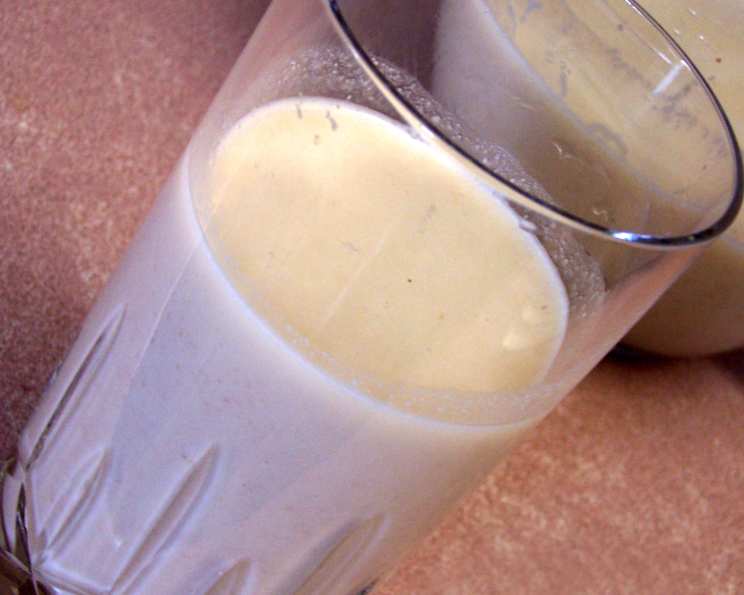
Horchata De Almendra: A Taste of Spanish Sunshine
The first time I tasted horchata, I was wandering the sun-drenched streets of Valencia, Spain. The air hummed with the buzz of scooters and the scent of orange blossoms. Seeking respite from the afternoon heat, I ducked into a small, unassuming cafe. The server, with a knowing smile, suggested I try their homemade horchata. It was unlike anything I’d ever tasted – a creamy, cool, and subtly sweet elixir that instantly transported me to a place of pure bliss. That single sip sparked a lifelong love affair with this traditional Spanish beverage, and I’ve been chasing that perfect horchata experience ever since. While true Valencian horchata is made with tiger nuts (chufa), this almond version offers a delicious and readily accessible alternative that captures the essence of that Spanish summer day.
Recipe Overview
- Prep Time: 15 minutes
- Cook Time: 20 minutes
- Total Time: 2 hours 35 minutes (includes resting time)
- Servings: 8-10
- Yields: 2.5 liters
- Dietary Type: Vegan, Gluten-Free, Dairy-Free
Ingredients
- 1/2 kg (1 pound) blanched almonds (skinless)
- 1/2 kg (1 pound) sugar (adjust to taste)
- 1 lemon
- 1 cinnamon stick
- 1 pinch salt
- 2.5 liters warm water
Equipment Needed
- Large pot
- Food processor or blender
- Large bowl or container
- Fine-mesh sieve or cheesecloth
Instructions
- If you haven’t purchased blanched almonds, you’ll need to remove the skins from your almonds. The simplest way to do this is to buy them already skinless.
- If you must remove the skins yourself, put the almonds in a large pot of boiling water and let them sit until the skins become very soft, about 10-15 minutes. Stirring occasionally will help the skins loosen.
- Drain the almonds and rinse them with cold water. The skins should now slip off easily. If not, gently rub them off with your fingers.
- Once the almonds are skinned, it’s time to pulverize them. If you boiled your almonds to get the skins off, you can smash them (or put them in a strong blender while adding some water) into a mush. If starting with blanched almonds, crush or otherwise pulverize the almonds into a coarse powder using a food processor. Be careful not to over-process into almond butter.
- In a large bowl or container, add the 2.5 liters of warm water with a pinch of salt.
- Slice the lemon and add the slices to the water.
- Now, thoroughly mix in the almond powder (or mush).
- Cover the container and let it sit at room temperature for 2 hours. This allows the almond flavor to infuse into the water.
- After the two hours are up, add the sugar and the cinnamon stick.
- Stir until the sugar is completely dissolved. Taste and adjust the sweetness as desired. Remember that the flavor will mellow slightly as it chills.
- Now it’s time to strain the liquid using a fine-mesh sieve lined with a fine cloth, like cheesecloth. This removes all of the larger almond particles.
- Strain the liquid until the texture is smooth. You may need to strain it two or even three times to achieve the desired consistency. Don’t be afraid to use a clean cloth for each strain for optimal results.
- Keep the horchata in your fridge. It will stay good for at least five days.
- For a truly divine experience, put some horchata in your freezer until it is an icy slush!
Expert Tips & Tricks
- Toasting the Almonds: Before pulverizing, lightly toasting the blanched almonds in a dry pan for a few minutes can enhance their nutty flavor and add depth to the horchata. Just be careful not to burn them!
- Lemon Zest: For a more intense lemon flavor, add a small amount of lemon zest along with the slices. Be sure to use only the yellow part of the zest, as the white pith can be bitter.
- Cinnamon Infusion: For a stronger cinnamon flavor, gently crush the cinnamon stick before adding it to the mixture. You can also simmer the cinnamon stick in a small amount of the water before adding it to the rest of the ingredients to create a cinnamon infusion. Let it cool before adding to the rest of the water, almonds, lemon and sugar.
- Make-Ahead: The horchata can be made a day or two in advance, allowing the flavors to meld even further.
- Adjusting Sweetness: The amount of sugar is a guideline. Taste and adjust it to your preference. If you prefer a less sweet drink, start with less sugar and add more to taste.
- Almond Pulp: Don’t discard the almond pulp leftover from straining! You can use it in baking, add it to smoothies, or even spread it on toast.
Serving & Storage Suggestions
Serve horchata chilled, preferably over ice. Garnish with a sprinkle of cinnamon or a lemon wedge for an extra touch of elegance. It’s a perfect refreshing drink on a hot day or a delightful accompaniment to Spanish pastries like churros or ensaïmada.
Store leftover horchata in an airtight container in the refrigerator for up to 5 days. It’s not recommended to store it at room temperature. Freezing horchata is possible, but the texture may change slightly upon thawing. If freezing, leave some headspace in the container as the liquid will expand.
Nutritional Information
| Nutrient | Amount per Serving (approx. 250ml) | % Daily Value* |
|---|---|---|
| Calories | 247 kcal | 12% |
| Total Fat | 12 g | 18% |
| Saturated Fat | 1 g | 5% |
| Cholesterol | 0 mg | 0% |
| Sodium | 10 mg | 0% |
| Total Carbohydrate | 33 g | 11% |
| Dietary Fiber | 2 g | 8% |
| Sugars | 30 g | – |
| Protein | 5 g | 10% |
| *Based on a 2,000 calorie diet. |
Variations & Substitutions
- Sweeteners: Instead of sugar, you can use other sweeteners like agave nectar, honey, or stevia. Adjust the amount to your desired sweetness.
- Plant-Based Milks: For a richer, creamier horchata, substitute some of the water with plant-based milk like almond milk or oat milk. Keep in mind that this will alter the overall flavor profile.
- Spice Variations: Experiment with other spices like cardamom, star anise, or a pinch of nutmeg to add a unique twist to your horchata.
- Citrus Variations: Try using orange or lime instead of lemon for a different citrusy note.
- Vegan Horchata de Chufa Alternative: If you want to come closer to the real Valencian taste, but cannot get Chufa, consider adding a small amount of almond extract to enhance the almond flavor closer to the chufa flavor.
FAQs (Frequently Asked Questions)
Q: Can I use almond flour instead of pulverizing whole almonds?
A: While almond flour could work, it often results in a less creamy texture. Freshly pulverized almonds provide a superior texture.
Q: How can I make the horchata sweeter without adding more sugar?
A: You can add a natural sweetener like dates. Soak a few pitted dates in warm water until softened, then blend them into the horchata before straining.
Q: My horchata is bitter. What did I do wrong?
A: Bitterness can come from the almond skins or the white pith of the lemon. Ensure you are using blanched almonds or remove the skins thoroughly. Avoid including the white pith when adding lemon.
Q: Can I use a regular blender instead of a food processor?
A: Yes, a regular blender can be used. However, you may need to blend for a longer period to achieve a fine consistency. You may also need to strain it more thoroughly.
Q: Why does the horchata separate in the fridge?
A: Separation is natural. Simply shake or stir the horchata well before serving to re-emulsify the mixture.
Final Thoughts
Horchata de Almendra is more than just a refreshing drink; it’s a taste of Spanish sunshine in a glass. This simple recipe allows you to recreate that magic at home, using readily available ingredients. Don’t be afraid to experiment with variations and find your perfect horchata blend. Share your creations with friends and family, and let the flavors transport you to sun-drenched shores and the warm embrace of Spanish hospitality. And be sure to pair with some great tapas!