
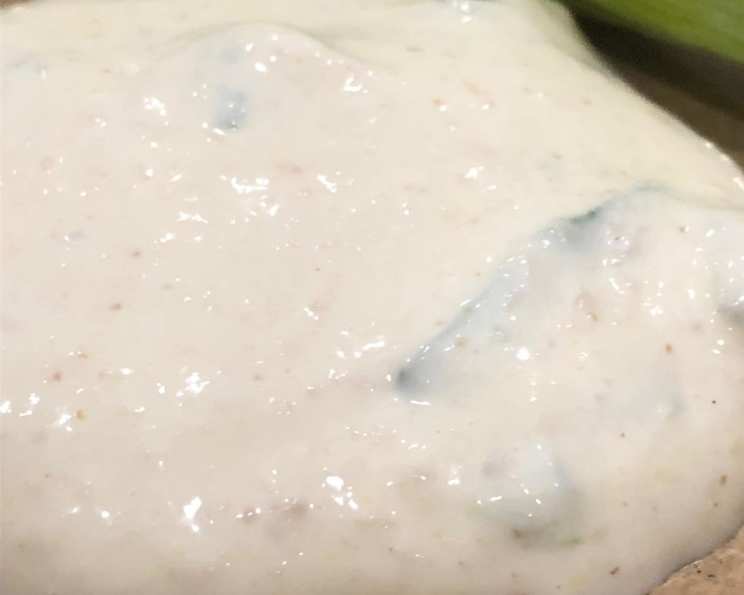
The Zesty Kick: Homemade Horseradish Sauce
Horseradish sauce has always held a special place at our family table. I remember vividly, as a child, watching my grandfather prepare his famous Sunday roast beef. The aroma of the slow-cooked beef filled the house, but it was the horseradish sauce, freshly made and intensely flavorful, that truly completed the meal. He would carefully grate the horseradish root, tears streaming down his face, a testament to the root’s potency, but his eyes sparkling with the anticipation of the exquisite flavor it would bring to the dish. It was a ritual, a loving act, and a sensory experience that shaped my appreciation for the power of simple, well-made condiments.
Recipe Overview
- Prep Time: 5 minutes
- Cook Time: 0 minutes
- Total Time: 5 minutes
- Servings: 4
- Yield: 1/2 cup
- Dietary Type: Gluten-Free
Ingredients
- ¼ cup mayonnaise
- ¼ cup sour cream
- 1 tablespoon Dijon mustard
- 2 green onions, finely chopped
- 2 teaspoons prepared horseradish
Equipment Needed
- Small Mixing Bowl
- Measuring Cups and Spoons
- Knife
- Cutting Board
- Spoon or Whisk
Instructions
-
In a small bowl, combine the mayonnaise and sour cream. This creates the creamy base for the sauce. Whisk them together until they are smoothly incorporated.
-
Add the Dijon mustard to the bowl. The Dijon mustard adds a tangy depth of flavor that complements the horseradish. Gently whisk until the mustard is evenly distributed into the mayonnaise and sour cream mixture.
-
Finely chop the green onions. Ensure they are finely chopped for optimal texture and flavor distribution in the sauce. Add the chopped green onions to the bowl.
-
Add the prepared horseradish to the mixture. Start with 2 teaspoons, and adjust to taste. Remember, horseradish potency can vary, so you might want to add more or less depending on your preference.
-
Gently fold all the ingredients together until they are evenly distributed. Avoid over-mixing, which can deflate the sauce.
-
Cover the bowl tightly with plastic wrap or transfer the sauce to an airtight container.
-
Refrigerate the sauce for at least 30 minutes before serving. This allows the flavors to meld and the sauce to chill, enhancing its overall taste. The sauce can be stored in the refrigerator for up to a week.
Expert Tips & Tricks
- Fresh vs. Prepared Horseradish: For the most intense flavor, use freshly grated horseradish root. However, prepared horseradish is a convenient alternative. If using fresh horseradish, be prepared for a pungent aroma that can bring tears to your eyes!
- Adjusting the Heat: Horseradish intensity varies. Taste the sauce after mixing and add more horseradish, half a teaspoon at a time, until you reach your desired level of spiciness.
- Creamy Texture: For an extra creamy texture, consider using full-fat sour cream and mayonnaise. You can also add a tablespoon of heavy cream for added richness.
- Balancing the Flavors: If the sauce is too strong, add a squeeze of lemon juice or a pinch of sugar to balance the flavors.
- Make-Ahead Tip: Horseradish sauce can be made a day or two in advance. The flavors will meld together even more, resulting in a richer, more complex sauce.
- Preventing Separation: To prevent separation during storage, whisk the sauce vigorously before refrigerating.
Serving & Storage Suggestions
Horseradish sauce is a versatile condiment that pairs wonderfully with a variety of dishes. It’s a classic accompaniment to roast beef, adding a zesty kick that cuts through the richness of the meat. It also complements pork, ham, and smoked fish beautifully. Try serving it with grilled vegetables, baked potatoes, or even as a spread for sandwiches.
To store leftover horseradish sauce, transfer it to an airtight container and refrigerate immediately. Properly stored, it will last for up to a week. The flavor may mellow slightly over time, so you might want to add a touch more horseradish before serving.
Avoid leaving horseradish sauce at room temperature for extended periods, as this can promote bacterial growth.
Nutritional Information
Note: Nutritional information is an estimate and can vary based on specific ingredients used.
| Nutrient | Amount per Serving | % Daily Value |
|---|---|---|
| Calories | 75 kcal | 4% |
| Total Fat | 7g | 9% |
| Saturated Fat | 2g | 10% |
| Cholesterol | 10mg | 3% |
| Sodium | 100mg | 4% |
| Total Carbohydrate | 2g | 1% |
| Dietary Fiber | 0g | 0% |
| Sugars | 1g | |
| Protein | 1g | 2% |
Variations & Substitutions
- Vegan Horseradish Sauce: Substitute the mayonnaise and sour cream with vegan alternatives made from soy, cashew, or avocado. Ensure the Dijon mustard is also vegan, as some may contain honey.
- Lower-Fat Option: Use light mayonnaise and non-fat Greek yogurt in place of sour cream.
- Spicier Version: Add a pinch of cayenne pepper or a dash of hot sauce for an extra kick.
- Sweet and Spicy: Mix in a teaspoon of honey or maple syrup for a touch of sweetness to balance the spice.
- Herbaceous Variation: Stir in finely chopped fresh herbs like parsley, chives, or dill for a fresh, vibrant flavor.
- Garlic Infusion: Add a clove of minced garlic to the sauce for a pungent aroma and flavor.
FAQs (Frequently Asked Questions)
Q: Can I use dried green onions instead of fresh?
A: While fresh green onions provide the best flavor and texture, you can substitute them with dried green onions in a pinch. Use about 1 teaspoon of dried green onions for every 2 fresh green onions.
Q: How long does homemade horseradish sauce last?
A: Homemade horseradish sauce will last for up to a week when stored properly in an airtight container in the refrigerator.
Q: Can I freeze horseradish sauce?
A: Freezing horseradish sauce is not recommended, as the texture and flavor can be negatively affected. The mayonnaise and sour cream may separate upon thawing, resulting in a watery and less appealing sauce.
Q: What can I do if my horseradish sauce is too spicy?
A: If your horseradish sauce is too spicy, you can add more mayonnaise or sour cream to dilute the heat. A squeeze of lemon juice or a pinch of sugar can also help balance the flavors.
Q: Can I use a different type of mustard?
A: While Dijon mustard is recommended for its tangy flavor, you can experiment with other types of mustard, such as yellow mustard or whole-grain mustard, to create a unique flavor profile.
Final Thoughts
Now, armed with this straightforward recipe, I encourage you to try your hand at making this simple yet flavorful horseradish sauce. There’s something deeply satisfying about creating your own condiments, adjusting them to your personal taste. Don’t be afraid to experiment with the ingredients and find the perfect balance of creamy, tangy, and spicy that suits your palate. And as you enjoy your homemade horseradish sauce, remember that the best recipes are often the ones that connect us to cherished memories and loved ones. Let this be the beginning of your own horseradish sauce story!