
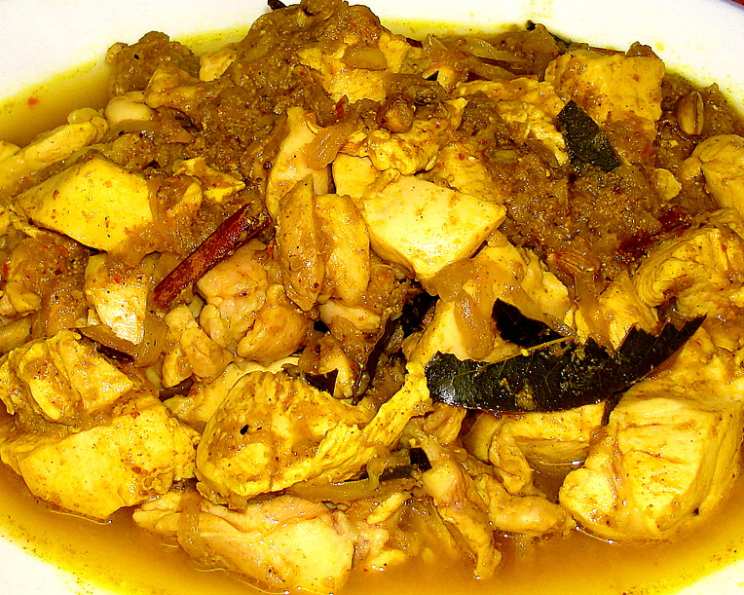
Hot Chicken Curry: A Fiery Taste of India
The first time I truly understood the magic of spice was in a small, open-air restaurant in Mumbai. The humid air hung thick with the scent of cardamom and chilies, and I ordered, perhaps naively, the hottest curry on the menu. What arrived was a revelation – a dish that not only brought tears to my eyes but also awakened a symphony of flavors I’d never experienced before. It was a complex, fiery, and utterly unforgettable experience, and this Hot Chicken Curry recipe aims to capture that very essence. It’s a serious curry for serious cooks, ready to bring the heat.
Recipe Overview
- Prep Time: 30 minutes
- Cook Time: 40 minutes
- Total Time: 1 hour 10 minutes
- Servings: 4
- Dietary Type: Spicy
Ingredients
- 4 lbs skinless chicken, boned and cubed
- 12 ounces ghee (clarified butter)
- ½ lb onion, sliced
- 4 ounces fresh ginger, grated
- 8 garlic cloves, crushed
- 1 pint water
- 2 teaspoons turmeric
- 3 teaspoons salt
- 2 teaspoons garam masala
- 3 teaspoons ground cumin
- ½ teaspoon black pepper, ground
- 1 teaspoon hot chili powder
- 10 green cardamoms, open at one end
- 10 cloves
- 4 bay leaves
- 5 inches cinnamon sticks, broken up
- ½ pint yogurt
Equipment Needed
- Large heavy pan or Dutch oven
- Blender or food processor
- Measuring spoons and cups
- Knife
- Cutting board
Instructions
- Begin by melting the ghee in a large, heavy pan or Dutch oven over medium heat. Once melted and shimmering, add half of the sliced onions to the pan. Fry these onions until they are a rich, golden brown color. This step is crucial for developing the base flavor of the curry, so take your time and don’t rush it. Remove the fried onions from the pan and set them aside.
- In a blender or food processor, combine the fresh ginger, garlic cloves, the remaining half of the onions, and the water. Blend until you achieve a smooth, liquid consistency. This mixture will form the foundation of the curry sauce.
- Pour the ginger-garlic-onion liquid into the same pan used for frying the onions. Cook this mixture over medium heat for approximately 10 minutes, stirring occasionally to prevent sticking. The mixture should reduce slightly and the raw edges of the garlic and ginger will cook out.
- Now, it’s time to add the spices. To the pan, incorporate the turmeric, salt, garam masala, ground cumin, ground black pepper, hot chili powder, green cardamoms, cloves, bay leaves, and cinnamon sticks. Stir well to ensure all the spices are evenly distributed throughout the mixture.
- Continue to cook the spices for another 10 minutes, stirring frequently. This process, often called “blooming” the spices, releases their essential oils and intensifies their flavors. The mixture should become fragrant and aromatic.
- Add the cubed chicken to the pan, ensuring that each piece is coated in the spice mixture. Cook the chicken for 5-7 minutes, stirring often, until it’s slightly browned on the outside.
- Reduce the heat to low. Gently stir in the yogurt, ensuring it is well combined with the chicken and spices. Be careful not to curdle the yogurt; gentle heat is key.
- Cover the pan tightly and allow the curry to simmer slowly until the chicken is very tender. This will typically take around 20-30 minutes, depending on the size of the chicken pieces. Check the chicken for doneness by piercing it with a fork; it should be easily pierced and cooked through with no pink remaining.
- Once the chicken is cooked to your liking, remove the lid and allow the curry to simmer for a final 5 minutes, or until the sauce has thickened to your desired consistency.
Expert Tips & Tricks
- Spice Level Adjustment: For a milder curry, reduce the amount of hot chili powder or omit it entirely. Conversely, increase the amount of chili powder or add a finely chopped chili pepper for an extra fiery kick.
- Yogurt Tempering: To prevent the yogurt from curdling, temper it by adding a spoonful or two of the hot curry sauce to the yogurt and whisking before incorporating the yogurt into the entire dish.
- Make-Ahead Option: This curry can be made a day or two in advance. The flavors will meld and deepen over time, making it even more delicious. Store it in an airtight container in the refrigerator.
- Ghee Substitute: If you don’t have ghee, you can use vegetable oil, but the ghee imparts a unique richness and flavor.
Serving & Storage Suggestions
Serve the Hot Chicken Curry hot, preferably with basmati rice, a side of dhal (lentil soup), and a cooling side dish such as raita (yogurt with cucumber and mint). Garnish with fresh cilantro for added freshness.
Leftovers can be stored in an airtight container in the refrigerator for up to 3 days. To reheat, gently warm the curry in a saucepan over medium-low heat, stirring occasionally, or microwave in short bursts until heated through. You can also freeze the curry for up to 2 months. Thaw it in the refrigerator overnight before reheating.
Nutritional Information
| Nutrient | Amount per Serving | % Daily Value |
|---|---|---|
| Calories | 1603.6 kcal | N/A |
| Calories from Fat | 938 g | 59% |
| Total Fat | 104.3 g | 160% |
| Saturated Fat | 59.1 g | 295% |
| Cholesterol | 613.1 mg | 204% |
| Sodium | 2134.2 mg | 88% |
| Total Carbohydrate | 17.1 g | 5% |
| Dietary Fiber | 2.4 g | 9% |
| Sugars | 5.9 g | 23% |
| Protein | 145.2 g | 290% |
Note: Nutritional information is an estimate and can vary based on specific ingredients and portion sizes.
Variations & Substitutions
- Coconut Milk Curry: For a creamier and slightly sweeter curry, substitute the yogurt with full-fat coconut milk. This will also make the dish dairy-free.
- Vegetable Curry: Replace the chicken with your favorite vegetables such as cauliflower, potatoes, peas, and carrots for a vegetarian version. Adjust cooking times accordingly.
- Lamb Curry: Substitute the chicken with lamb for a richer and more robust flavor. Lamb will require a longer cooking time to become tender.
- Different Chili Powders: Experiment with different types of chili powder to adjust the heat and flavor profile. Kashmiri chili powder will add a vibrant red color with a mild heat, while chipotle chili powder will add a smoky flavor.
FAQs (Frequently Asked Questions)
Q: Can I use boneless, skinless chicken thighs instead of chicken breast?
A: Absolutely! Chicken thighs are a great substitute and will add even more flavor and richness to the curry due to their higher fat content. Adjust cooking time as needed to ensure they are fully cooked.
Q: What is ghee, and why is it used in this recipe?
A: Ghee is clarified butter, which means the milk solids have been removed. It has a higher smoke point than butter and adds a distinct nutty flavor to the curry. If you don’t have ghee, you can use vegetable oil as a substitute, but the flavor won’t be quite the same.
Q: How can I make this curry less spicy?
A: The easiest way to reduce the spice level is to decrease the amount of hot chili powder used. You can also remove the seeds and membranes from any fresh chilies added to the curry.
Q: Can I add other vegetables to this curry?
A: Yes, feel free to add other vegetables such as bell peppers, peas, potatoes, or spinach. Add them towards the end of the cooking process to prevent them from becoming overcooked.
Q: How do I know when the chicken is fully cooked?
A: The chicken is fully cooked when it is no longer pink inside and the juices run clear when pierced with a fork. You can also use a meat thermometer to check the internal temperature, which should be 165°F (74°C).
Final Thoughts
This Hot Chicken Curry is more than just a recipe; it’s an invitation to explore the vibrant and complex world of Indian cuisine. Don’t be intimidated by the list of spices – each one plays a vital role in creating the dish’s unique flavor profile. I encourage you to try this recipe, adjust the spice level to your liking, and share your creations with friends and family. Pair it with a crisp, cold beer or a refreshing mango lassi for the ultimate culinary experience. Enjoy the journey, and happy cooking!