
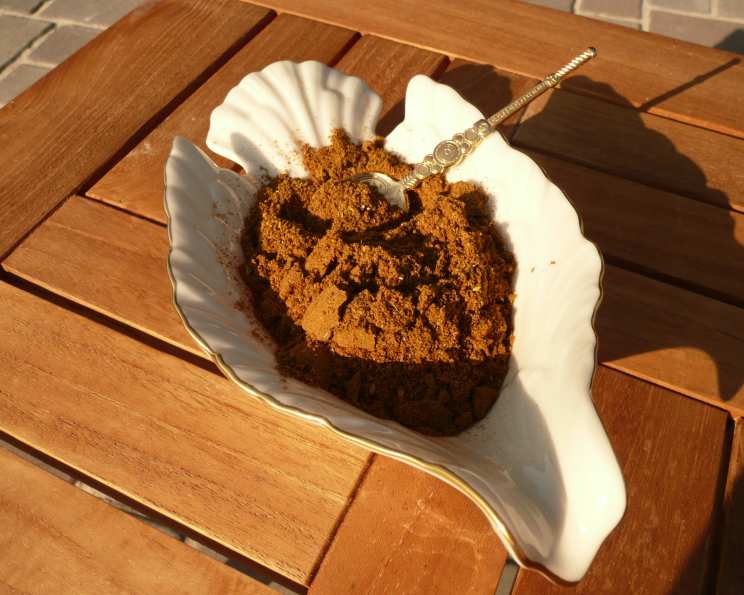
Unleashing the Fiery Magic of Homemade Hot Madras Curry Powder
The first time I truly understood the power of a well-crafted spice blend was during a small cooking demonstration in Durban, South Africa. The aroma alone – a heady mix of toasted coriander, warming cinnamon, and a sneaky whisper of chili – was intoxicating. An elderly woman, her hands stained yellow from years of turmeric use, smiled knowingly. “This,” she said, holding up a jar of deep red powder, “is the heart of our kitchen.” That memory, and the vibrant flavors that followed, ignited my lifelong passion for crafting my own spice blends, and this Hot Madras Curry Powder is a direct descendant of that Durban experience.
Recipe Overview: Hot Madras Curry Powder
- Prep Time: 10 minutes
- Cook Time: 10 minutes
- Total Time: 20 minutes
- Yields: Approximately 1/2 pound
- Dietary Type: Vegan, Gluten-Free
Ingredients:
- 8 tablespoons coriander seeds
- 6 tablespoons cumin seeds
- 1 tablespoon mustard seeds
- 1 tablespoon fennel seed
- 4 tablespoons ground cinnamon
- 8 tablespoons peppercorns
- 1 tablespoon ground nutmeg
- 1 tablespoon whole cloves
- 2 tablespoons ground cardamom
- 2 tablespoons turmeric
- 2 tablespoons ground ginger
- 1 tablespoon cayenne (or less if less heat is desired)
Equipment Needed:
- Dry skillet
- Blender or food processor (or mortar and pestle)
- Clean, dry jar with a tight-fitting lid
Instructions:
-
In a dry skillet over very low heat, place the coriander, cumin, mustard, and fennel seeds. The key here is low and slow; you want to gently coax out the flavors without burning the spices.
-
Roast the seeds gently, shaking the pan occasionally, until they begin to pop. This process usually takes about 5-7 minutes. Watch them carefully! When about half the seeds have popped, it’s time to move on to the next step.
-
Add the cinnamon, peppercorns, nutmeg, cloves, cardamom, turmeric, ginger, and cayenne to the skillet. These ground spices will toast much faster than the whole seeds, so keep a close eye on them.
-
Continue to heat and stir gently until the mixture is quite hot but not burnt. This should only take another 2-3 minutes. The aroma will intensify, filling your kitchen with a warm, spicy fragrance.
-
Remove the skillet from the heat and immediately pour the spice mixture into a dry blender or food processor. Alternatively, if you prefer a more traditional approach, use a mortar and pestle.
-
Grind the spices into a fine powder. If using a blender or food processor, pulse in short bursts to prevent overheating and creating a paste. If using a mortar and pestle, be prepared for a bit of an arm workout – but the results will be worth it!
-
Pour the freshly ground curry powder into a clean, dry jar. Seal the jar tightly and let it cool completely before using. This allows the flavors to meld and deepen.
Expert Tips & Tricks:
-
Spice Roasting Secrets: The roasting process is crucial for developing the complex flavors of the curry powder. Don’t rush it! Low and slow is the key to preventing burning and maximizing flavor.
-
Heat Level Control: The cayenne pepper is the primary source of heat in this blend. Adjust the amount to suit your personal preference. Start with a smaller amount and add more to taste. You can also use a milder chili powder as a substitute.
-
Freshness Matters: Use the freshest spices possible for the best flavor. If your spices have been sitting in your pantry for a while, they may have lost some of their potency.
-
Grinding Techniques: For the smoothest texture, sift the ground curry powder through a fine-mesh sieve after grinding. This will remove any larger pieces of spice.
-
Flavor Balancing: After grinding, taste the curry powder and adjust the spices to your liking. If it’s too spicy, add a little more turmeric or cumin to balance the heat. If it’s not spicy enough, add more cayenne.
Serving & Storage Suggestions:
This Hot Madras Curry Powder is incredibly versatile and can be used in a wide variety of dishes. It’s perfect for flavoring curries, stews, soups, and sauces. You can also use it as a dry rub for meats, poultry, and vegetables.
To store the curry powder, keep it in a tightly sealed jar in a cool, dark, and dry place. Properly stored, it will last for up to 6 months. After that, the flavor may start to fade. While still safe to use, the intensity will decrease. Avoid storing near heat sources like your oven. The steam from cooking can enter the jar and cause clumping and a loss of flavour.
Nutritional Information:
Please note that these values are approximate and may vary depending on the exact measurements and ingredients used.
| Nutrient | Amount per Serving (approx. 1 tsp) | % Daily Value |
|---|---|---|
| Calories | 15 kcal | 1% |
| Total Fat | 1 g | 1% |
| Saturated Fat | 0.2 g | 1% |
| Cholesterol | 0 mg | 0% |
| Sodium | 0.5 mg | 0% |
| Total Carbohydrate | 2 g | 1% |
| Dietary Fiber | 1 g | 4% |
| Sugars | 0.1 g | 0% |
| Protein | 0.5 g | 1% |
Variations & Substitutions:
-
Milder Madras: For a less intense curry powder, reduce the amount of cayenne pepper or substitute it with a milder chili powder like ancho chili powder or paprika.
-
Sweeter Madras: Add a tablespoon of ground coriander to the blend to round out the spices and create a sweeter flavor.
-
Smoked Madras: Incorporate smoked paprika into the mix for a smokier, more complex flavor profile.
-
Regional Twists: Experiment with adding other spices that are popular in different regions of India, such as amchur (dried mango powder) or black cardamom.
-
Salt-Free Option: Omit the salt entirely for a salt-free curry powder, allowing you to control the sodium level in your dishes.
FAQs (Frequently Asked Questions):
Q: Can I use pre-ground spices instead of whole spices?
A: While it’s best to use whole spices for the most vibrant flavor, you can substitute pre-ground spices if necessary. Reduce the roasting time, as ground spices burn more easily.
Q: How long does homemade curry powder last?
A: Properly stored in a sealed jar away from light and heat, homemade curry powder can last for up to 6 months.
Q: What’s the difference between Madras curry powder and other curry powders?
A: Madras curry powder typically has a higher proportion of chili powder, giving it a spicier flavor than other curry powders.
Q: Can I use this curry powder in non-Indian dishes?
A: Absolutely! This curry powder adds a delicious depth of flavor to a wide variety of dishes, from scrambled eggs to roasted vegetables.
Q: My curry powder is clumping. What can I do?
A: This is likely due to moisture. Make sure your jar is completely dry before storing the curry powder. You can also add a desiccant packet (like the ones found in vitamin bottles) to the jar to absorb moisture.
Final Thoughts:
Creating your own spice blends is a journey of culinary exploration, and this Hot Madras Curry Powder is a fantastic place to begin. Don’t be afraid to experiment with different spice combinations and adjust the recipe to suit your personal preferences. The possibilities are endless. Once you taste the difference between homemade and store-bought curry powder, you’ll never go back. So, gather your spices, fire up your skillet, and get ready to unlock a world of flavor! I encourage you to try this recipe and share your feedback; your variations might just inspire another passionate cook! This curry powder pairs wonderfully with a creamy coconut milk-based curry or as a rub for tandoori chicken. Enjoy the journey!