
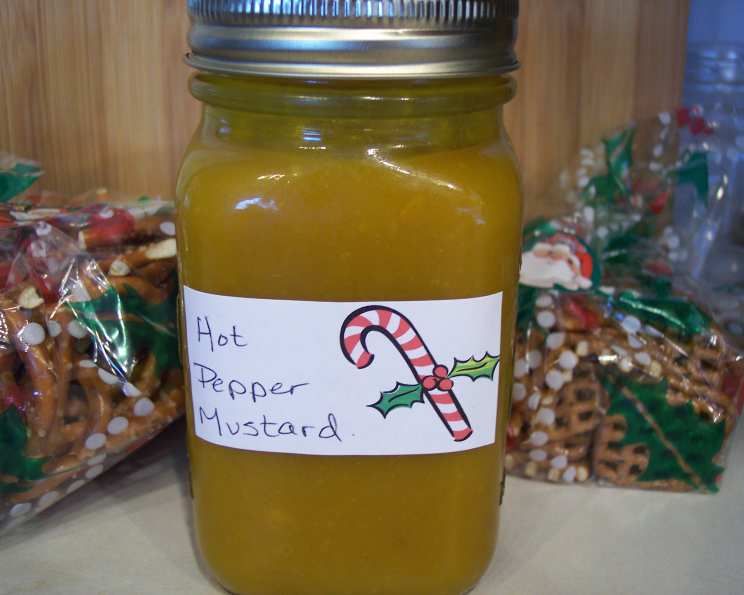
Fiery Sweetness: Homemade Hot Pepper Mustard
The first time I tasted hot pepper mustard, I was at a summer barbecue in rural Texas. My friend’s grandmother, a woman known for her fiery personality and even fierier cooking, had slathered it on a humble grilled sausage. The combination of sweet, tangy mustard and the sharp, lingering heat of the peppers was an absolute revelation. It was a flavor explosion that woke up my palate and left me craving more. I’ve been chasing that perfect balance of sweet heat ever since, and this recipe is my attempt to capture that memory.
Recipe Overview
- Prep Time: 20 minutes
- Cook Time: 20 minutes
- Total Time: 40 minutes
- Yields: 6-8 half-pint jars
- Dietary Type: Gluten-Free (depending on mustard used)
Ingredients
- 5 habanero peppers (you can change up the number of peppers to suit your taste) or 5 bell peppers, of you choice (you can change up the number of peppers to suit your taste)
- 1 1⁄2 cups vinegar
- 1⁄4 cup salt
- 1 1⁄2 cups water
- 5 cups sugar
- 1 cup flour
- 1 tablespoon turmeric
- 1 tablespoon dry mustard
- 1 (16 ounce) jar plain mustard
Equipment Needed
- Blender
- Saucepan
- Cheesecloth
- Large boiler or stockpot
- Mixing bowl
- Measuring cups and spoons
- Canning jars (half-pint or pint)
- Jar lifter (optional, but recommended for canning)
Instructions
- Begin by carefully washing the peppers. Remember to wear gloves when handling habaneros!
- Place the peppers in a blender along with the vinegar.
- Blend the mixture until the peppers are ground very fine. You want a smooth puree.
- Pour the pepper/vinegar combination into a saucepan.
- Add the salt and water to the saucepan.
- Cook the mixture over medium heat until the peppers are tender, which should take about 10-15 minutes. Stir occasionally to prevent sticking.
- Carefully strain the mixture through cheesecloth, discarding the solids. This step removes any remaining pepper seeds or skins for a smoother final product.
- Return the strained liquid to a large boiler or stockpot.
- In a separate mixing bowl, combine the sugar, flour, turmeric, dry mustard, and plain mustard.
- Stir the ingredients well until they form a smooth paste. This ensures that the flour is evenly distributed, preventing lumps in the final mustard.
- Add the mustard paste to the boiler containing the pepper liquid.
- Cook the mixture over low heat, stirring constantly, until everything is well blended. This step is crucial for developing the flavor and preventing scorching.
- Slowly bring the mixture up to a boil, stirring constantly. Do not leave the pot unattended during this stage!
- Continue to stir constantly as the mixture comes to a boil. If you stop stirring, the mustard will stick to the bottom of the pot and potentially burn.
- The mustard will thicken relatively quickly once it reaches a boil. This is the sign that it’s nearly ready.
- Turn off the heat and immediately dip the hot mustard into prepared canning jars.
- Before sealing, wipe the rim of each jar completely clean with a warm, damp towel. This ensures a proper seal.
- Place preheated lids on the jars and tighten the rings. Follow the manufacturer’s instructions for preparing lids for canning.
- At this point, you have two options for sealing the jars. The first is the “inversion method,” where you turn the jars upside down for 5 minutes. While some people use this method, it is not considered a safe canning practice by USDA standards.
- The second, and safer, option is to process the jars in a water bath for 5 to 10 minutes. Place the filled jars in a boiling water bath, ensuring the water covers the jars by at least an inch. Bring the water back to a boil and process for the recommended time. Follow safe canning practices carefully to ensure a proper seal and prevent spoilage.
- Turn the jars upright after processing (if using the water bath method) and allow them to cool completely before moving. You should hear a “pop” as the lids seal. Check the seals by pressing down on the center of each lid; if it doesn’t flex, it’s sealed.
Expert Tips & Tricks
- Adjust the heat: If you prefer a milder mustard, use fewer habaneros or substitute bell peppers for some of the habaneros. For an even spicier version, consider adding a pinch of cayenne pepper or using hotter varieties of peppers like scotch bonnets.
- Consistency is key: Stirring constantly is essential to prevent the mustard from sticking and burning. Use a heavy-bottomed pot to further reduce the risk of scorching.
- Smooth texture: For the smoothest possible mustard, strain the pepper mixture through a fine-mesh sieve lined with cheesecloth. This will remove even the smallest particles of pepper skin and seeds.
- Flavor development: The mustard will taste even better after it has had a chance to sit for a few days. This allows the flavors to meld and develop fully.
- Prevent grainy texture: Be sure the flour is thoroughly incorporated into the mustard paste before adding to the hot liquid to prevent a grainy texture.
Serving & Storage Suggestions
This hot pepper mustard is incredibly versatile. It’s fantastic on grilled sausages, hamburgers, and hot dogs. It also makes a delicious addition to sandwiches, wraps, and even deviled eggs. Try using it as a glaze for roasted chicken or pork, or as a dipping sauce for pretzels and vegetables.
Unopened jars of hot pepper mustard can be stored in a cool, dark place for up to a year. Once opened, store the mustard in the refrigerator for several months. Properly sealed jars will have a slight indentation in the lid and will not flex when pressed. If a jar does not seal, store it in the refrigerator and use it within a few weeks.
Nutritional Information
Please note that these values are estimates and can vary based on specific ingredients and portion sizes.
| Nutrient | Amount per Serving | % Daily Value |
|---|---|---|
| Calories | 675 kcal | 34% |
| Total Fat | 2 g | 3% |
| Saturated Fat | 0 g | 0% |
| Cholesterol | 0 mg | 0% |
| Sodium | 4700 mg | 196% |
| Total Carbohydrate | 160 g | 53% |
| Dietary Fiber | 4 g | 16% |
| Sugars | 140 g | 560% |
| Protein | 5 g | 10% |
Variations & Substitutions
- Milder Mustard: Substitute bell peppers entirely for the habaneros. You can also reduce the amount of habaneros used.
- Sweetener Alternatives: Experiment with using honey or maple syrup instead of sugar. Start with a smaller amount and adjust to taste.
- Vinegar Variations: Try using apple cider vinegar or rice vinegar for a different flavor profile.
- Spice It Up: Add a pinch of cayenne pepper or red pepper flakes for extra heat.
- Smoked Paprika: Add a teaspoon of smoked paprika to give the mustard a smoky flavor.
FAQs (Frequently Asked Questions)
Q: Can I use a different type of pepper?
A: Absolutely! Feel free to experiment with different types of peppers, such as jalapeños, serranos, or even ghost peppers, depending on your desired level of heat. Just remember to adjust the quantity accordingly.
Q: Do I have to strain the pepper mixture?
A: Straining is optional, but it will result in a smoother mustard. If you don’t mind a slightly coarser texture, you can skip this step.
Q: How long will this mustard last?
A: Properly canned and sealed jars of mustard can last for up to a year in a cool, dark place. Once opened, store in the refrigerator for several months.
Q: Can I freeze this mustard?
A: While it’s not recommended, you can freeze the mustard. However, the texture may change slightly upon thawing.
Q: What if my mustard is too thick or too thin?
A: If the mustard is too thick, add a little bit of water or vinegar until you reach the desired consistency. If it’s too thin, continue cooking it over low heat, stirring constantly, until it thickens up.
Final Thoughts
I truly hope you’ll give this hot pepper mustard recipe a try. It’s a delicious and versatile condiment that’s sure to add a kick to your favorite dishes. Don’t be afraid to experiment with the ingredients and adjust the recipe to your own personal preferences. And if you do make it, I’d love to hear about your experience and how you’re using it in your kitchen. Maybe try pairing it with a crusty loaf of bread and a selection of cheeses for a delightful snack. Happy cooking!