
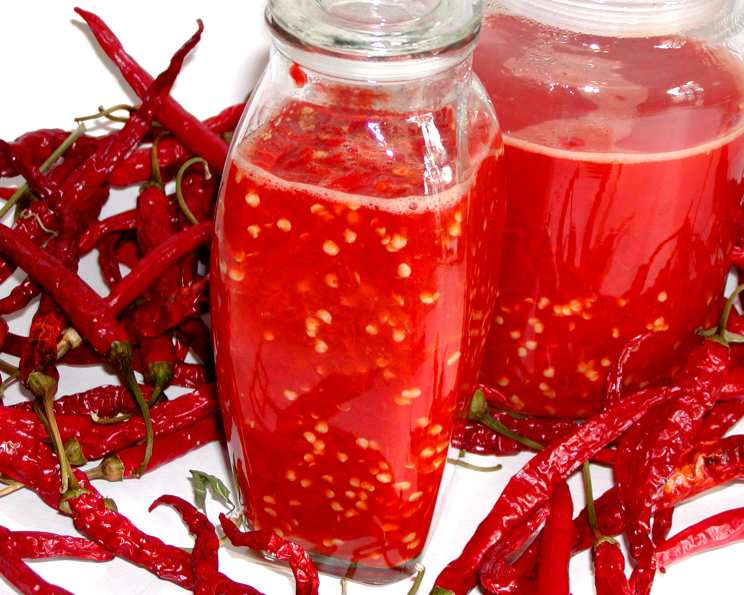
Fiery Fermentation: Crafting Your Own Aged Hot Pepper Sauce
I remember the first time I truly appreciated hot sauce. It wasn’t the mass-produced stuff from the supermarket, but a small-batch concoction from a roadside farmer’s market in Louisiana. The vibrant red color hinted at the heat within, and the aroma was an intoxicating blend of earthy peppers and tangy vinegar. One tiny drop transformed a simple grilled cheese into an experience, a flavorful journey that awakened my senses and sparked a lifelong obsession with all things spicy. Now, I relish the opportunity to create my own blends, and this recipe is a fantastic gateway to making your own unique hot pepper sauce.
Recipe Overview
- Prep Time: 30 minutes
- Cook Time: 10 minutes
- Total Time: 3 months, 40 minutes (includes aging)
- Yields: Approximately 3 cups
- Dietary Type: Vegan, Gluten-Free
Ingredients
- 2 lbs jalapeno peppers
- 3 cups distilled white vinegar
- 2 teaspoons kosher salt
Equipment Needed
- Food-safe gloves
- Large saucepan
- Blender
- Glass bottle(s) for aging
- Small bottles for serving (optional)
- Strainer (optional)
Instructions
- Caution! You must wear food-safe gloves when preparing this recipe. The oils from the jalapenos can cause significant skin irritation. Trust me, you don’t want to learn this the hard way!
- Wearing gloves, carefully seed and chop the jalapeno peppers. Removing the seeds will reduce some of the heat, but feel free to leave some in if you prefer a more intense flavor. A rough chop is fine, as they will be blended later.
- In a large saucepan, combine the distilled white vinegar, kosher salt, and chopped jalapeno peppers.
- Bring the mixture to a simmer over medium heat. Once simmering, continue to cook for 10 minutes. Be extremely careful not to breathe in the fumes. They are quite potent and can cause coughing and discomfort. Ensure you have adequate ventilation by opening a window or turning on your range hood.
- Remove the saucepan from the heat and allow the mixture to cool completely. This is crucial for safety when blending and also helps to prevent any pressure buildup during the aging process.
- Once cooled, carefully transfer the pepper mixture to a blender. Process until the sauce is completely smooth. You may need to work in batches depending on the size of your blender.
- Pour the blended sauce into a clean glass bottle. Seal tightly and store in a cool, dark place.
- Age the hot sauce for at least 3 months. This aging process is essential for developing the complex flavors of the sauce. The longer it ages, the richer and more nuanced the taste will become.
- After aging, you can choose to strain the sauce for a smoother consistency. Line a strainer with cheesecloth or use a fine-mesh sieve and strain the sauce into smaller bottles for gifts or for home use. This step is optional, as some people prefer the rustic texture of the sauce with the pepper solids.
Expert Tips & Tricks
- Pepper Variety: Feel free to experiment with different types of peppers to create your own unique flavor profile. Serrano peppers, habaneros, or even a mix of different varieties can add complexity and varying levels of heat. Remember to adjust the quantities based on the heat level of the peppers you choose.
- Fermentation Boost: For an extra layer of flavor complexity, consider fermenting the peppers before cooking. Simply combine the chopped peppers with salt (about 2-3% of the peppers’ weight) and pack them into a jar. Cover with a weight to keep the peppers submerged in their own juices, and let them ferment at room temperature for 1-2 weeks, burping the jar daily to release any gases. Then, proceed with the recipe as written.
- Vinegar Selection: While distilled white vinegar provides a clean, tangy base, you can also experiment with other vinegars like apple cider vinegar or white wine vinegar for a slightly different flavor profile.
- Consistency Control: If you prefer a thicker sauce, you can add a small amount of xanthan gum to the blended mixture. Start with just 1/8 teaspoon and blend well, adding more as needed until you reach your desired consistency.
- Heat Level Adjustment: To control the heat level of your hot sauce, remove the seeds and membranes from some or all of the peppers. The seeds and membranes contain the majority of the capsaicin, the compound that gives peppers their heat.
Serving & Storage Suggestions
This homemade hot pepper sauce is incredibly versatile and can be used to enhance a wide variety of dishes. Drizzle it over tacos, eggs, grilled meats, vegetables, or even add a dash to your favorite soups and stews.
Store the aged hot sauce in a cool, dark place. Properly sealed, it can last for several years. Once opened, it’s best to store it in the refrigerator to maintain its flavor and prevent spoilage. Refrigerated, it should last for at least 6 months, possibly longer. Freezing is not recommended as it can alter the texture of the sauce.
Nutritional Information
Note: Nutritional information is an estimate and may vary based on specific ingredients and preparation methods.
| Nutrient | Amount per Serving | % Daily Value |
|---|---|---|
| Calories | 15 kcal | 1% |
| Total Fat | 0g | 0% |
| Saturated Fat | 0g | 0% |
| Cholesterol | 0mg | 0% |
| Sodium | 30mg | 1% |
| Total Carbohydrate | 3g | 1% |
| Dietary Fiber | 1g | 4% |
| Sugars | 1g | N/A |
| Protein | 0g | 0% |
Variations & Substitutions
- Fruit Infusion: Add a touch of sweetness and complexity by incorporating fruits like mango, pineapple, or peaches into the pepper mixture before cooking.
- Smoked Peppers: Use smoked jalapenos (chipotles) for a smoky and rich flavor.
- Garlic & Onion: Add a few cloves of garlic and a small onion to the pepper mixture for added depth of flavor.
- Spice Blend: Incorporate other spices like cumin, coriander, or smoked paprika for a more complex flavor profile.
- Herb Infusion: Add fresh herbs like cilantro, oregano, or thyme to the blender for a vibrant and aromatic sauce.
- Sweet Heat: Add a touch of maple syrup or honey to the mixture for a sweet and spicy kick.
FAQs (Frequently Asked Questions)
Q: Why do I need to wear gloves when handling the peppers?
A: Jalapeno peppers contain capsaicin, an irritant oil that can cause a burning sensation on your skin. Gloves provide a barrier to protect your hands.
Q: Can I use dried peppers instead of fresh ones?
A: Yes, you can use dried peppers. Rehydrate them in hot water before chopping and cooking. The flavor will be slightly different, but still delicious.
Q: How long does the hot sauce need to age?
A: While the recipe calls for at least 3 months, the longer it ages, the better. The flavors will continue to develop and mellow over time.
Q: Can I add other vegetables to the sauce?
A: Absolutely! Roasted bell peppers, carrots, or tomatoes can add depth and complexity to the flavor. Just adjust the cooking time accordingly.
Q: My hot sauce is too thick. How can I thin it out?
A: You can add a little more distilled white vinegar or even some water to thin out the sauce to your desired consistency. Add it gradually and blend well until you reach the perfect texture.
Final Thoughts
Crafting your own hot pepper sauce is a rewarding culinary adventure. It allows you to control the heat level, experiment with different flavor combinations, and create a truly unique condiment that reflects your personal taste. Don’t be afraid to experiment and make it your own. I encourage you to dive in, get creative, and share your fiery creations with friends and family! And, if you are feeling adventurous, try pairing it with grilled chicken or fish for an extra kick.