
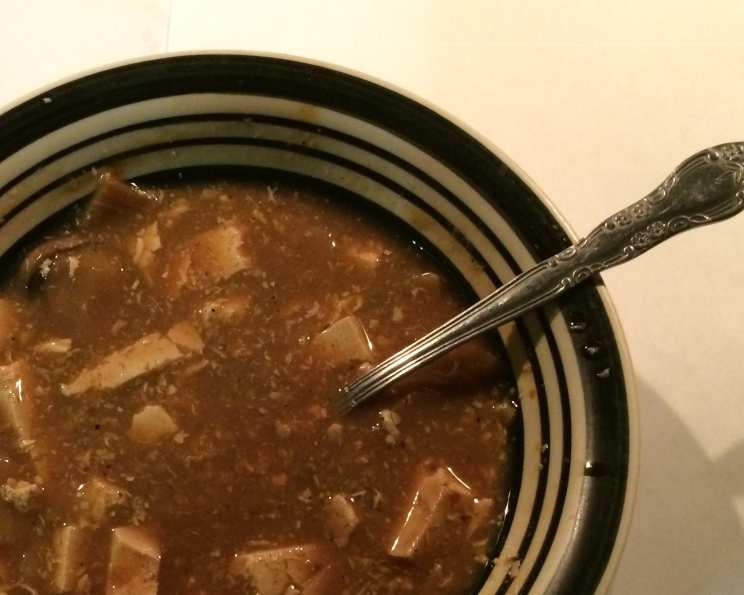
Hot & Sour Symphony: A Culinary Dive into Flavor
The first time I tasted true hot and sour soup, it wasn’t in a restaurant, but a bustling night market in Chengdu. The air hung thick with the aroma of chili oil and fermented black vinegar, and a small, unassuming stall was serving up steaming bowls of the elixir. One spoonful, and I was hooked. The way the heat danced with the acidity, the savory broth wrapping around tender slivers of meat and vegetables – it was an experience that awakened my senses and left me craving more. It was a far cry from the bland, often unbalanced versions I’d encountered before; it was a revelation. That single bowl ignited my passion to recreate that authentic experience in my own kitchen.
Recipe Overview
- Prep Time: 20 minutes
- Cook Time: 20 minutes
- Total Time: 40 minutes
- Servings: 12
- Dietary Type: Varies (See Variations & Substitutions)
Ingredients
- 6 ounces chicken breasts, cut into thin strips
- 1 quart chicken stock
- 1/3 cup soy sauce
- 1/3 cup Chinkiang vinegar
- 1/2 teaspoon black pepper
- 1 teaspoon crushed red pepper flakes (for hotter soup)
- 1 tablespoon tamarind paste
- 6 ounces bamboo shoots, cut into strips (canned is perfect)
- 6 ounces mushrooms, cut into strips
- 6 ounces water chestnuts, canned
- 3 ounces cornstarch (or 4 ounces of flour)
- 1/2 cup water (or use drained liquid from canned vegetables)
- 4 egg whites
- 3 ounces rice vinegar
- 6 ounces tofu, cut into strips
- 1 1/2 ounces green onions (chopped in 1 inch long pieces)
- 1 tablespoon pickled radishes
Equipment Needed
- Large Stockpot
- Small Microwave-Safe Bowl
- Whisk
- Cutting Board
- Sharp Knife
- Meat Thermometer (Optional)
Instructions
-
Begin by preparing the chicken. Cut the chicken breasts into thin strips. In a large stockpot, cook the chicken strips until they reach an internal temperature of 170 degrees F (77 degrees C), using a meat thermometer to test. Remember not to overcook the chicken at this stage. The residual heat of the soup will continue to cook it, so aim for slightly underdone to prevent toughness. Remove the chicken from the pot and set aside.
-
Next, prepare the tamarind paste. In a small microwave-safe bowl, dissolve the tamarind paste by heating it with one ounce of the chicken stock. A microwave is a quick and effective way to do this. Once dissolved, carefully remove any seeds from the melted paste, as they are inedible and can be quite bitter.
-
If using pickled radish, take the time to chop it as finely as possible. Pickled radish can be quite firm, so the smaller the pieces, the easier they will be to eat in the finished soup.
-
Now, it’s time to build the flavor base of the soup. Bring the remaining chicken stock to a boil in the stockpot. Once boiling, add the tamarind/stock mixture, soy sauce, Chinkiang vinegar, black pepper, crushed red pepper flakes, bamboo shoots, mushrooms, pickled radish, and water chestnuts. Be sure to save the liquid from the bamboo shoots and water chestnuts for later use. Stir all the ingredients together to combine. Let cook for 3 minutes, allowing the flavors to meld.
-
While the soup base is cooking, prepare the thickening slurry. In a separate bowl, combine the cornstarch (or flour) and the reserved liquid from the bamboo shoots and water chestnuts (or ½ cup of water) to create a smooth slurry.
-
Slowly add the slurry to the boiling soup base, a little at a time, while constantly stirring. Continue stirring until the soup thickens to your desired consistency. You may not need to use all of the slurry, so add it gradually and check the thickness frequently.
-
Now it’s time for the egg whites. Gently add the egg whites to the soup while continuously stirring. Cook for about 30 seconds, or until the egg whites are cooked through and form delicate strands in the soup.
-
Add the reserved cooked chicken and the green onions to the soup.
-
Cut the tofu into strips approximately 1/4″ x 1/4″ and the full thickness of the block. Gently add the tofu strips to the soup.
-
Remove the soup from the heat. Add the rice vinegar and blend thoroughly to ensure all the flavors are evenly distributed.
-
Serve hot, garnished with extra green onions if desired.
Expert Tips & Tricks
- Adjust the Heat: Don’t be afraid to tailor the heat level to your preference. Start with a smaller amount of crushed red pepper flakes and taste as you go, adding more until you reach your desired spiciness.
- Quality Vinegar Matters: Using high-quality Chinkiang vinegar makes a significant difference in the soup’s overall flavor profile. Look for authentic Chinese varieties in Asian markets.
- Texture is Key: Pay attention to the textures of the ingredients. Slicing the vegetables and tofu into consistent sizes ensures a more enjoyable eating experience.
- Make Ahead: The soup base (before adding the egg whites, chicken, tofu, and green onions) can be made ahead of time and stored in the refrigerator for up to 3 days. This is a great way to break up the cooking process and save time when you’re ready to serve.
- Slurry Consistency: For a smoother slurry, whisk the cornstarch or flour with cold liquid until there are no lumps before adding it to the hot soup.
Serving & Storage Suggestions
Serve your homemade hot and sour soup hot and steaming. A traditional accompaniment is crispy fried wonton strips, which add a delightful crunch and textural contrast. Garnish with extra chopped green onions for a pop of freshness and color.
To store leftovers, allow the soup to cool completely before transferring it to an airtight container. It can be stored in the refrigerator for up to 3 days. Reheat gently on the stovetop or in the microwave until heated through. Freezing is not recommended, as the texture of the tofu and egg whites may change upon thawing.
Nutritional Information
| Nutrient | Amount per Serving | % Daily Value |
|---|---|---|
| Calories | 123.1 kcal | N/A |
| Calories from Fat | 26 g | 22% |
| Total Fat | 3 g | 4% |
| Saturated Fat | 0.7 g | 3% |
| Cholesterol | 11.5 mg | 3% |
| Sodium | 594.1 mg | 24% |
| Total Carbohydrate | 15.4 g | 5% |
| Dietary Fiber | 1.2 g | 4% |
| Sugars | 3.4 g | N/A |
| Protein | 9.1 g | 18% |
Variations & Substitutions
- Vegetarian/Vegan: Replace the chicken stock with vegetable broth and omit the chicken. Use a plant-based protein source like extra-firm tofu or tempeh. Ensure your soy sauce and tamarind paste are also vegan-friendly.
- Gluten-Free: Use tamari instead of soy sauce and cornstarch instead of flour for thickening.
- Seafood Hot & Sour: Substitute the chicken with shrimp or scallops for a delicious seafood twist.
- Spicier Version: Add more crushed red pepper flakes or a few drops of chili oil for an extra kick. You can also use fresh chilies, finely minced, for a more intense heat.
- Milder Version: Reduce or eliminate the crushed red pepper flakes. You can also add a touch of sugar to balance the sourness.
- Regional Variations: In some regions, black fungus (wood ear mushrooms) and lily buds are commonly added. Feel free to experiment with other ingredients to customize the soup to your liking.
FAQs (Frequently Asked Questions)
Q: Can I use a different type of vinegar?
A: While Chinkiang vinegar is traditional, rice vinegar is an acceptable substitute, though it will alter the flavor profile slightly. Avoid using white vinegar, as it’s too harsh.
Q: How can I make the soup thicker?
A: If the soup isn’t thick enough, mix a little more cornstarch with cold water and add it to the boiling soup, stirring constantly until thickened.
Q: Can I add other vegetables?
A: Absolutely! Carrots, celery, and bell peppers are all great additions. Just be sure to cut them into thin strips or small pieces so they cook evenly.
Q: What if I don’t have tamarind paste?
A: Tamarind paste adds a unique sour and tangy flavor. If you don’t have it, you can try substituting it with a combination of lime juice and brown sugar.
Q: How do I prevent the egg whites from clumping?
A: Stir the soup vigorously while adding the egg whites to prevent clumping and create delicate strands. You can also whisk the egg whites lightly before adding them to the soup.
Final Thoughts
Hot and sour soup is more than just a dish; it’s an experience. The interplay of flavors, the satisfying textures, and the comforting warmth make it a truly memorable meal. Don’t be intimidated by the ingredient list; once you gather everything, the process is surprisingly simple and incredibly rewarding. I encourage you to try this recipe and adjust it to your own preferences. Experiment with different levels of heat and sourness, add your favorite vegetables, and make it your own signature hot and sour soup. And if you’re feeling adventurous, why not pair it with some homemade spring rolls or dumplings? Happy cooking!