
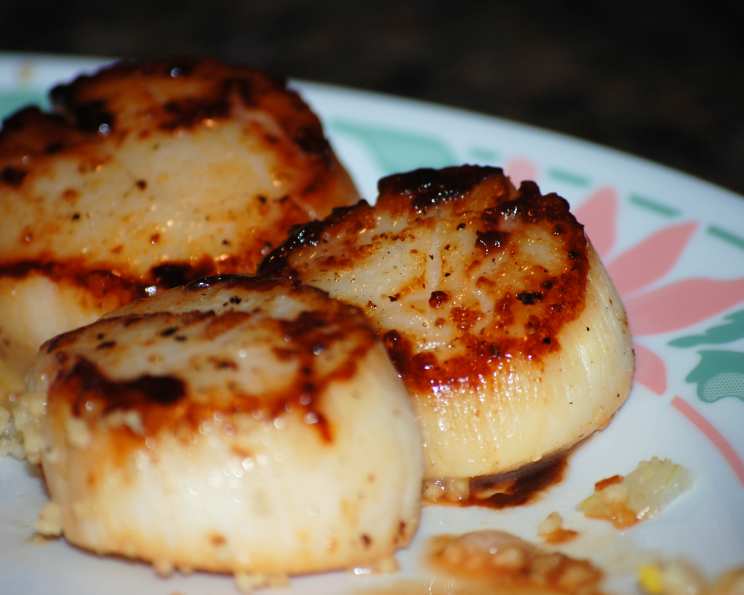
How Scallops Are Supposed To Be Made: A Chef’s Simple Secret
I remember the first time I tasted a perfectly seared scallop. It was at a tiny seaside bistro in Maine, the salty air thick with the scent of the ocean. The chef, a grizzled old man with hands that looked like they’d wrestled a thousand lobsters, simply kissed the scallops with heat, letting their natural sweetness shine. No fussy sauces, no heavy breading, just pure, unadulterated scallop flavor. That memory has guided my cooking ever since, a reminder that the best dishes are often the simplest.
Recipe Overview
- Prep Time: 2 minutes
- Cook Time: 8 minutes
- Total Time: 10 minutes
- Servings: 2
- Yields: 10 scallops
- Dietary Type: Gluten-Free, Dairy-Free
Ingredients
- 10 sea scallops
- 1 tablespoon olive oil (or enough to barely coat the pan)
- Salt and pepper, to taste
- 1 tablespoon lemon juice (approximately 1/2 lemon)
Equipment Needed
- Large skillet
- Paper towels
Instructions
-
Preheat a large skillet over medium-high to high heat. This is crucial for getting a good sear. A well-heated pan will ensure the scallops develop that beautiful golden-brown crust without overcooking inside.
-
Add 1 tablespoon of olive oil to the hot skillet. Ensure the oil is evenly distributed to coat the entire surface of the pan lightly. You want just enough to prevent sticking, not so much that the scallops are swimming in oil.
-
Pat the scallops down thoroughly with paper towels to remove any excess moisture. This is the most important step to achieving a beautiful sear. Excess water will steam the scallops instead of allowing them to caramelize properly. Take your time and be meticulous; the drier the scallop, the better the sear.
-
Sprinkle salt and pepper generously over one side of the dried scallops. Seasoning at this stage helps the flavors penetrate the scallops as they cook. Don’t be shy with the seasoning; scallops can handle a good amount of salt and pepper.
-
Place the scallops (seasoned side down) carefully onto the hot skillet. Make sure there’s enough space between each scallop so they aren’t overcrowded. Overcrowding the pan will lower the temperature and cause the scallops to steam instead of sear.
-
Resist the urge to touch, move, or tinker with the scallops at all! Let them sear undisturbed for 3 to 5 minutes (depending on their thickness). This allows the Maillard reaction to occur, creating that delicious, caramelized crust. Trust the process!
-
While the first side is searing, sprinkle salt and pepper over the unseasoned side of the scallops.
-
After 3 to 5 minutes, or when the first side is deeply caramel-colored, carefully flip the scallops using tongs or a spatula.
-
Cook the scallops for another 3 to 5 minutes on the second side, or until they are caramelized and just cooked through. Remember, you want the scallops to be opaque and slightly firm, but still tender in the center. Overcooking will result in rubbery scallops.
-
Once the scallops are cooked to perfection, remove the pan from the heat and squeeze 1 tablespoon of fresh lemon juice evenly over them. The acidity of the lemon juice will brighten the flavors and add a touch of freshness.
Expert Tips & Tricks
- Buy the best quality scallops you can find: Fresh, dry-packed sea scallops are the best choice. Avoid scallops that have been soaked in water or treated with preservatives. Dry-packed scallops will sear much better and have a superior flavor.
- Don’t be afraid of the heat: High heat is essential for achieving a good sear. Make sure your pan is properly preheated before adding the scallops.
- Listen to your scallops: The sound of the scallops searing is a good indicator of how they’re cooking. You should hear a distinct sizzle as they hit the hot pan. If the sizzle fades, your pan may not be hot enough.
- Don’t overcrowd the pan: Cook the scallops in batches if necessary to avoid overcrowding. Overcrowding will lower the temperature of the pan and prevent the scallops from searing properly.
- Check for doneness: The scallops are done when they are opaque throughout and slightly firm to the touch. Avoid overcooking, which will make them rubbery.
- For added flavor, try adding a clove of minced garlic or a sprig of fresh thyme to the pan along with the olive oil.
- Resting: Allowing the scallops to rest for a minute or two after cooking can help retain moisture.
Serving & Storage Suggestions
Serve the seared scallops immediately while they are still hot and juicy. They are delicious on their own or paired with a variety of sides, such as couscous, pasta, risotto, or a simple salad. A squeeze of fresh lemon juice and a sprinkle of fresh herbs (such as parsley or chives) add a nice finishing touch.
Leftover seared scallops can be stored in an airtight container in the refrigerator for up to 2 days. Reheat them gently in a skillet over low heat or in the microwave. Be careful not to overcook them when reheating, as they can become rubbery. I don’t recommend freezing cooked scallops as the texture can suffer.
Nutritional Information
| Nutrient | Amount per Serving | % Daily Value |
|---|---|---|
| Calories | 113.1 kcal | N/A |
| Calories from Fat | 64 kcal | 57% |
| Total Fat | 7.1 g | 10% |
| Saturated Fat | 1 g | 5% |
| Cholesterol | 18 mg | 6% |
| Sodium | 294.2 mg | 12% |
| Total Carbohydrate | 2.9 g | 0% |
| Dietary Fiber | 0 g | 0% |
| Sugars | 0.2 g | 0% |
| Protein | 9.1 g | 18% |
Variations & Substitutions
- Garlic Butter Scallops: Add a tablespoon of butter and a minced clove of garlic to the pan during the last minute of cooking for a rich, flavorful sauce.
- Spicy Scallops: Add a pinch of red pepper flakes to the pan along with the salt and pepper for a touch of heat.
- Herb-Crusted Scallops: Before searing, dredge the scallops in a mixture of breadcrumbs, grated Parmesan cheese, and chopped fresh herbs (such as parsley, thyme, and oregano).
- Wine Sauce: After searing the scallops, deglaze the pan with a splash of white wine and let it reduce to create a simple and elegant sauce.
- Citrus Marinade: Marinate the scallops in a mixture of lemon juice, olive oil, and herbs for 30 minutes before searing to add extra flavor and tenderness.
FAQs (Frequently Asked Questions)
Q: Why are my scallops rubbery?
A: Overcooking is the most common cause of rubbery scallops. Scallops cook very quickly, so it’s important to watch them closely and remove them from the heat as soon as they are opaque and slightly firm.
Q: How do I get a good sear on my scallops?
A: Make sure your pan is very hot before adding the scallops, and pat them dry thoroughly with paper towels to remove any excess moisture. Don’t overcrowd the pan, and resist the urge to move the scallops around while they are searing.
Q: Can I use frozen scallops?
A: Yes, but make sure to thaw them completely before cooking and pat them very dry with paper towels. Frozen scallops may release more moisture than fresh scallops, so it’s extra important to dry them thoroughly.
Q: What kind of pan should I use?
A: A heavy-bottomed skillet, such as cast iron or stainless steel, is ideal for searing scallops. These pans distribute heat evenly and retain it well, which is essential for achieving a good sear.
Q: Can I use butter instead of olive oil?
A: Yes, butter adds a rich flavor to the scallops. However, butter has a lower smoke point than olive oil, so be careful not to burn it. You can also use a combination of butter and olive oil.
Final Thoughts
There you have it – the simple, foolproof method for cooking scallops the way they’re supposed to be. No fancy techniques, just pure, delicious flavor. I encourage you to give this recipe a try and experience the magic of a perfectly seared scallop. Once you master this basic technique, you can experiment with different variations and flavor combinations to create your own signature scallop dish. Don’t be afraid to experiment and have fun! Pair it with a crisp glass of white wine and some good company, and you’ve got a meal to remember. Let me know how yours turn out!