
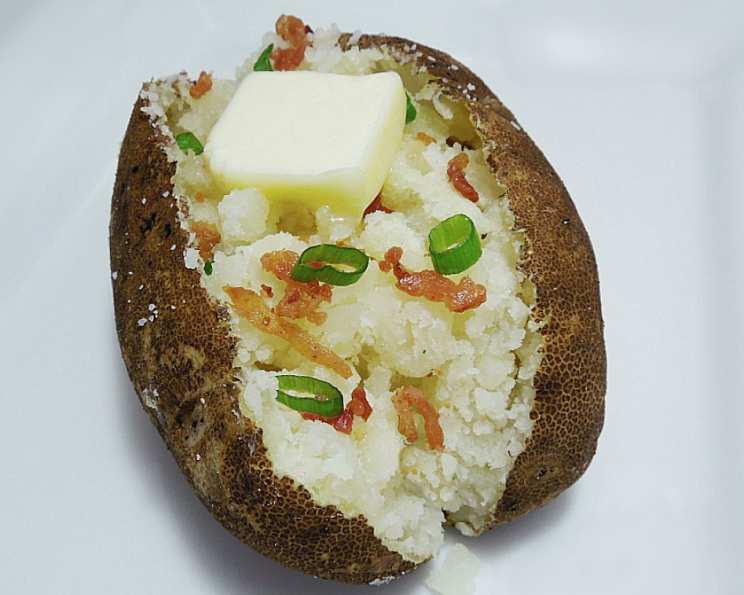
Baking the Perfect Potato: A Culinary Journey to Fluffy Perfection
There’s a particular scent that instantly transports me back to my grandmother’s kitchen: the earthy aroma of baking potatoes mingled with a hint of woodsmoke from her old stove. She always knew the simple magic of transforming humble spuds into culinary masterpieces. Crisp, salty skin yielding to a cloud of fluffy, steaming potato within – it was comfort food at its finest. Now, I’m excited to share that same magic with you, so you can bring this timeless comfort to your own table.
Recipe Overview
- Prep Time: 5 minutes
- Cook Time: 1 hour 15 minutes
- Total Time: 1 hour 20 minutes
- Servings: 2
- Yield: 2 potatoes
- Dietary Type: Gluten-Free, Vegetarian
Ingredients
- 2 russet baking potatoes, without a greenish cast and blemishes
- Olive oil
- Kosher salt
Equipment Needed
- Oven
- Fork
Instructions
-
Preheat your oven to 350 degrees Fahrenheit (175 degrees Celsius). This moderate temperature ensures even cooking and prevents the skin from burning before the potato is fully cooked inside.
-
Wash and dry the potatoes thoroughly. You’ll want to make sure each potato is free of any dirt or debris. Aim for one to two halves per person, depending on appetite.
-
Using a fork, pierce the potatoes deeply all over. Work your way around each potato, stabbing deeply into its flesh. About 3-4 stabs should do it, depending on the size of the potatoes. This crucial step allows steam to escape during the baking process, preventing the potato from exploding and ensuring a fluffy interior.
-
Rub the potatoes with olive oil, coating them lightly. This helps the skin crisp up beautifully and adds a subtle flavor.
-
Sprinkle generously with kosher salt, if desired. The salt not only seasons the skin but also helps draw out moisture, further contributing to that desirable crispiness.
-
Bake directly on the middle rack of the preheated oven for 1 to 1 1/2 hours, depending on their size. Place the potatoes directly on the rack for maximum air circulation and even cooking.
-
The potatoes are done when the skin is puffed up, golden-brown, and crispy, and the potato should squish easily when gently squeezed. Alternatively, you can insert a fork or knife into the center; it should slide in with little resistance. The interior of the potato should be very soft and fluffy.
Expert Tips & Tricks
-
Choose the right potato: Russet potatoes are the gold standard for baking due to their high starch content and low moisture. This combination results in that signature fluffy interior. Avoid potatoes with a greenish cast or blemishes, as these may indicate spoilage or uneven starch distribution.
-
Salt is your friend: Don’t be shy with the salt! A generous sprinkling of kosher salt not only enhances the flavor but also helps create a crispy skin.
-
Don’t wrap in foil: Wrapping potatoes in foil steams them instead of baking them, resulting in a soft, soggy skin. For the perfect baked potato, skip the foil.
-
Elevate the flavor: For an even more flavorful potato, try rubbing the potatoes with garlic-infused olive oil or adding a sprinkle of your favorite herbs along with the salt before baking. Rosemary, thyme, or smoked paprika all work wonderfully.
-
Adjust baking time for size: The baking time will vary depending on the size of your potatoes. Smaller potatoes may be done in as little as an hour, while larger ones may require closer to 1 1/2 hours. Always check for doneness using the squeeze test or a fork.
-
Preheat is paramount: Make sure your oven is fully preheated before putting the potatoes in. This ensures consistent cooking and prevents the potatoes from drying out.
Serving & Storage Suggestions
Serve your perfect baked potatoes hot, straight from the oven. Slice them open lengthwise and fluff the insides with a fork. Offer a variety of toppings, such as:
- Butter
- Sour cream or Greek yogurt
- Shredded cheese
- Chives or green onions
- Bacon bits
- Salsa
- Chili
Leftover baked potatoes can be stored in the refrigerator for up to 3-4 days. To reheat, wrap the potato in foil and bake at 350°F (175°C) until heated through, or microwave until warm. While microwaving is faster, baking will help retain the crispy skin. You can also repurpose leftover baked potatoes in dishes like potato salad, mashed potatoes, or potato skins. I do not recommend freezing cooked baked potatoes, as the texture can become mushy upon thawing.
Nutritional Information
| Nutrient | Amount per Serving | % Daily Value |
|---|---|---|
| Calories | 164 kcal | 8% |
| Total Fat | 0.2g | 0% |
| Saturated Fat | 0.1g | 0% |
| Cholesterol | 0mg | 0% |
| Sodium | 12.8mg | 1% |
| Total Carbohydrate | 37.2g | 12% |
| Dietary Fiber | 4.7g | 19% |
| Sugars | 1.7g | 3% |
| Protein | 4.3g | 9% |
Nutritional information is an estimate and may vary based on specific ingredients and preparation methods.
Variations & Substitutions
- Sweet Potato: Substitute russet potatoes with sweet potatoes for a naturally sweeter and more nutritious option. Baking time may need to be slightly adjusted.
- Different Oils: Experiment with different oils, such as avocado oil or coconut oil, for a unique flavor profile.
- Herb Infusion: Place sprigs of rosemary, thyme, or sage on the baking sheet with the potatoes to infuse them with herbal aromas during baking.
- Loaded Baked Potato Bar: Create a fun and interactive meal by setting up a baked potato bar with a variety of toppings to choose from.
FAQs (Frequently Asked Questions)
Q: Why do I need to pierce the potatoes before baking?
A: Piercing the potatoes allows steam to escape during baking, preventing them from exploding and ensuring a fluffy, rather than dense, interior.
Q: Can I bake potatoes in a microwave?
A: While you can microwave potatoes for a faster cooking time, the texture will be different. Microwaving tends to result in a softer, less fluffy potato.
Q: How do I know when the potatoes are done?
A: The best way to check for doneness is to gently squeeze the potato. It should feel soft and yielding. You can also insert a fork or knife into the center; it should slide in easily with little resistance.
Q: What causes a green tint on potatoes? Is it safe to eat?
A: A green tint on potatoes is caused by solanine, a natural toxin. While small amounts are generally harmless, larger amounts can be bitter and potentially toxic. It’s best to avoid potatoes with a significant green tint.
Q: Can I prepare the potatoes ahead of time?
A: You can wash and pierce the potatoes ahead of time, but it’s best to rub them with oil and salt just before baking to prevent them from drying out.
Final Thoughts
The beauty of the baked potato lies in its simplicity and versatility. With just a few ingredients and a little patience, you can transform a humble spud into a comforting and satisfying meal. Don’t be afraid to experiment with different toppings and flavor combinations to create your perfect baked potato masterpiece. Whether you enjoy it as a simple side dish or a fully loaded main course, I hope this recipe brings you as much joy as it has brought me over the years. Gather your ingredients, preheat your oven, and prepare to embark on a culinary journey to fluffy potato perfection!