
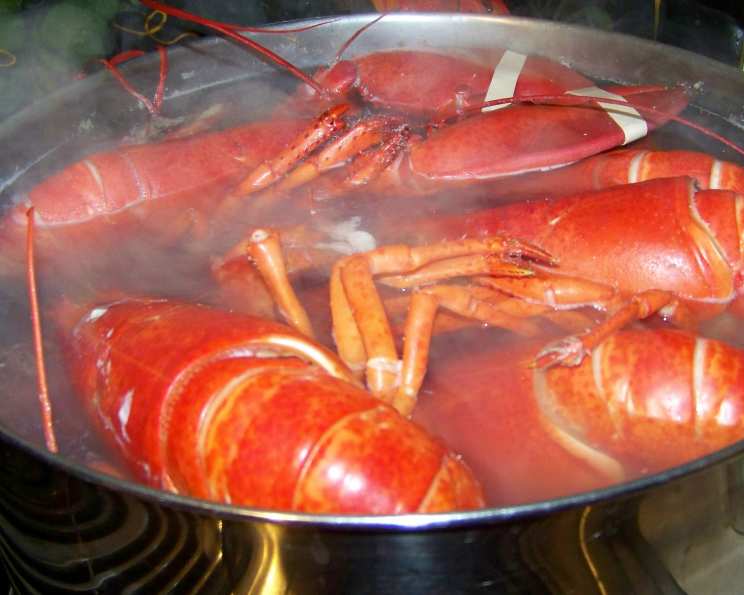
Mastering the Art of Boiling Lobster: A Chef’s Guide
My earliest memory involving lobster isn’t a fancy restaurant affair, but a family clam bake on the rocky shores of Maine. The briny air, the crackling seaweed, and the communal joy of cracking open those crimson shells – that’s the taste of summer and celebration ingrained in my soul. While grilling and steaming have their merits, boiling lobster, when done right, unlocks a succulence that’s hard to beat. It’s the purest expression of this magnificent crustacean.
Recipe Overview
- Prep Time: 5 minutes
- Cook Time: 9-22 minutes (depending on size)
- Total Time: 14-27 minutes (depending on size)
- Servings: Varies (1 lobster per serving is typical)
- Yield: Varies
- Dietary Type: Pescatarian, Gluten-Free, Dairy-Free
Ingredients
- 1 lb lobster (cook for 9 to 11 minutes)
- 1 1/4 lbs lobster (cook for 12 to 14 minutes)
- 1 1/2 lbs lobster (cook for 14 to 16 minutes)
- 1 3/4 lbs lobster (cook for 18 to 20 minutes)
- 2 lbs lobster (cook for 20 to 22 minutes)
- For lobsters over 2 lbs, cook an additional 1 minute for every 1/4 lb over 2 lbs.
- Water (enough to fill a large pot with about 1 inch at the bottom)
- Optional: Seaweed (for adding flavor to the steaming water)
- Optional: Melted butter (for serving)
- Optional: Lemon wedges (for serving)
Equipment Needed
- Large pot with a lid
- Steamer rack or pasta insert
- Lobster crackers (optional, but helpful)
- Small fork or pick
Instructions
-
Prepare the Pot: Place a steamer rack, pasta insert, or a bed of seaweed (if using) in the bottom of a large pot. The rack will keep the lobsters elevated above the direct heat.
-
Add Water: Pour approximately 1 inch of water into the pot. Ensure the water level is below the rack, so the lobsters steam rather than boil directly in the water.
-
Bring to a Boil: Cover the pot with a lid and bring the water to a vigorous boil over high heat. It’s crucial to have a strong, rolling boil before adding the lobsters.
-
Add the Lobster: Carefully add the lobster(s) to the pot. Be mindful of splashing hot water.
-
Cook the Lobster: Immediately cover the pot tightly with the lid. This is critical for ensuring even cooking. Cook the lobsters according to the following guidelines, based on their weight:
- 1 lb lobster: 9 to 11 minutes
- 1 1/4 lbs lobster: 12 to 14 minutes
- 1 1/2 lbs lobster: 14 to 16 minutes
- 1 3/4 lbs lobster: 18 to 20 minutes
- 2 lbs lobster: 20 to 22 minutes
- For lobsters over 2 lbs, add 1 minute of cooking time for every 1/4 lb over 2 lbs.
-
Check for Doneness: The lobster is done when its shell turns bright red and its meat is firm and opaque. The most reliable way to check for doneness is to insert a meat thermometer into the thickest part of the tail meat. It should register around 140°F (60°C). You can also gently pull on one of the antennae; it should detach easily from the body when cooked through.
-
Serve Immediately: Remove the lobster(s) from the pot with tongs and serve immediately.
-
Preparing the Lobster for Eating:
- Twist off the Claws: Grasp each claw firmly and twist it off from the body.
- Crack the Claws: Use a lobster cracker to crack the claws open. Alternatively, pull the smaller claw segment away from the larger one. Use your fingers or a pick to extract the meat.
- Separate the Tail: Twist the tail off from the body.
- Remove Tail Meat: Push the tail meat out of the shell with your fingers.
- Remove the Intestine: You’ll find a dark vein running along the top of the tail meat. This is the lobster’s digestive tract. Remove it before eating.
- Remove the Shell: Pull the shell off the body of the lobster.
- Locate Tomalley: Underneath, you may find the green “tomalley” (the liver). While some consider it a delicacy, others prefer to avoid it.
- Small Claws: Pull the small claws off the body and suck out the meat.
- Serve: Serve the lobster with warm, melted butter and lemon wedges for dipping.
Expert Tips & Tricks
- Salting the Water: While not strictly boiling, adding a generous amount of salt to the water before steaming/boiling enhances the lobster’s flavor. Aim for a salinity similar to seawater – about 1/2 cup of salt per gallon of water.
- The ‘Curly Tail’ Myth: Many believe a curled tail indicates a properly cooked lobster, but this isn’t always the case. The tail can curl even if the lobster is overcooked. Rely on the shell color and internal temperature for accuracy.
- Don’t Overcrowd the Pot: Cook lobsters in batches to avoid overcrowding the pot, which can lower the water temperature and result in uneven cooking.
- Ice Bath: To stop the cooking process immediately and prevent overcooking, plunge the cooked lobsters into an ice bath for a few minutes. This also makes the meat easier to handle when shelling.
- Enhance Flavor: Infuse the cooking water with aromatics like bay leaves, peppercorns, or garlic cloves for added depth of flavor.
- Sustainable Choices: Consider purchasing lobster from sustainable sources to support responsible fishing practices.
Serving & Storage Suggestions
Serve boiled lobster immediately while it’s still warm and succulent. The classic accompaniments are melted butter and lemon wedges, but you can also serve it with drawn butter, garlic butter, or even a simple aioli.
Leftover lobster meat should be stored in an airtight container in the refrigerator. It will remain fresh for up to 2 days. You can also freeze cooked lobster meat for longer storage, but the texture may be slightly altered upon thawing. To reheat, gently steam or poach the lobster meat until warmed through. Avoid microwaving, as this can make it rubbery.
Nutritional Information
| Nutrient | Amount per Serving | % Daily Value |
|---|---|---|
| Calories | 3321 kcal | N/A |
| Total Fat | 32.4 g | 49% |
| Saturated Fat | 7.8 g | 39% |
| Cholesterol | 5477.5 mg | 1825% |
| Sodium | 18244 mg | 760% |
| Total Carbohydrate | 0 g | 0% |
| Dietary Fiber | 0 g | 0% |
| Sugars | 0 g | 0% |
| Protein | 712.5 g | 1425% |
Note: Nutritional information is an estimate and may vary based on the size of the lobster and cooking method.
Variations & Substitutions
- Steaming: As mentioned, steaming is a very similar method. The cooking times remain the same. Some prefer it as it’s believed to yield slightly more tender meat.
- Grilling: For a smoky flavor, grill the lobster after boiling it for a shorter amount of time (about half the suggested time).
- Lobster Mac and Cheese: Shred the cooked lobster meat and add it to your favorite mac and cheese recipe for a decadent twist.
- Lobster Rolls: A New England classic! Toss the lobster meat with mayonnaise, celery, and seasonings, and serve in a toasted bun.
- Lobster Bisque: Use the lobster shells to make a rich and flavorful bisque.
FAQs (Frequently Asked Questions)
Q: Is it cruel to boil a live lobster?
A: This is a debated topic. Some argue it’s inhumane, while others believe it’s the most humane method when done quickly. Consider researching ethical sourcing practices and humane methods of dispatch before cooking.
Q: How do I know if a lobster is fresh?
A: Look for lobsters that are lively and active, with tightly curled tails. They should also have a fresh, sea-like smell, not a strong fishy odor.
Q: Can I use saltwater instead of tap water?
A: Yes, using saltwater can enhance the lobster’s flavor. If using tap water, add a generous amount of salt to mimic seawater.
Q: What is the green stuff inside the lobster? Is it safe to eat?
A: The green substance is the “tomalley,” the lobster’s liver. Some consider it a delicacy, while others avoid it due to potential toxin accumulation.
Q: How long can I store live lobsters before cooking them?
A: Live lobsters should be cooked as soon as possible. If you must store them, keep them in the refrigerator, covered with a damp cloth or newspaper, for no more than 24 hours.
Final Thoughts
Boiling lobster might seem intimidating at first, but with a little practice and attention to detail, you can master this classic culinary technique. Don’t be afraid to experiment with different flavor combinations and serving suggestions to create your own signature lobster dish. Share your creations with friends and family, and savor the taste of the ocean. I encourage you to try this recipe and let me know your thoughts! Perhaps pair it with a crisp Sauvignon Blanc for the perfect coastal dining experience.