
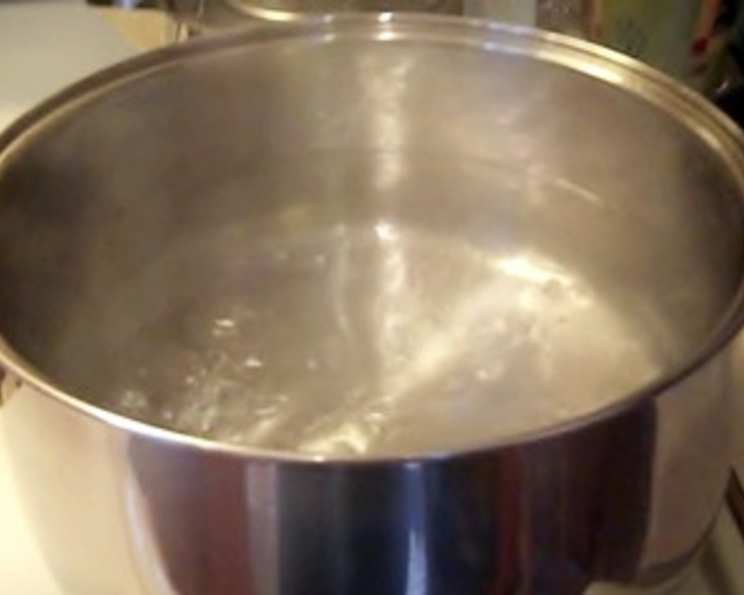
The Unsung Hero of the Kitchen: Mastering the Art of Boiling Water
My earliest memories of cooking aren’t of elaborate sauces or perfectly seared meats, but of the simple, almost meditative act of waiting for a pot of water to boil. I remember standing on a step stool, mesmerized by the shimmering surface and the dancing heat rising from the stovetop, impatient to finally plunge in the pasta that would soon become my favorite comfort food. It was a humble beginning, but that pot of boiling water was the gateway to a lifetime of culinary adventures, proving that even the most basic techniques are fundamental to creating something delicious.
Recipe Overview
- Prep Time: 0 minutes
- Cook Time: 7 minutes
- Total Time: 7 minutes
- Servings: 1
- Yield: 1 cup
- Dietary Type: Vegan
Ingredients
- Water
- Salt (optional)
Equipment Needed
- 12-quart stockpot (or any size pot)
- Stovetop
Instructions
-
Begin by locating a 12-quart stockpot within your kitchen. If a 12-quart pot is unavailable, any pot size can be substituted. Keep in mind that the serving size of this recipe is 1 cup, and there are 4 cups in a quart, so adjust your water level accordingly.
-
Place the pot in the sink, positioning it directly under the cold water tap. For those unfamiliar with sinks, it’s the large, recessed fixture on your countertop. In shared living spaces, sinks may occasionally be filled with dirty dishes. If necessary, wash the dishes or carefully transfer them to the oven. Eventually, someone will discover them and take care of the cleaning.
-
Activate the cold water tap, allowing the water to flow. Some individuals prefer to let the water run for a short period. While optional, this is encouraged, particularly on warmer days or if the hot water tap has been recently used. Letting the water run ensures that truly cold water fills the pot.
-
Fill the stockpot with water, leaving a couple of inches of space from the rim to prevent spillage.
-
Carefully lift the filled stockpot out of the sink and transfer it to the stovetop. The stovetop is generally characterized by four or more circular metal bands on top. Alternatively, it may be a completely flat black glass surface. If you’re unsure, don’t hesitate to ask someone for assistance.
-
Identify the knob on the stovetop that corresponds to the burner where you’ve placed the pot. Typically, knobs are labeled with descriptors like “Right Front” or “Left Rear,” often accompanied by small pictures indicating their position.
-
Turn the appropriate knob to the “High” setting and patiently wait for the water to boil. The time required for the water to reach a boil will vary, depending on the power of your stove and the volume of water in the pot. Important: Refrain from directly watching the pot. Observation is known to inhibit the boiling process.
-
Once the water has reached a rolling boil, it’s ready for use in various applications. Serve hot, but caution against direct consumption due to the scalding temperature.
-
For certain applications, adding salt to the water may be desired. Do so after the water has come to a boil.
-
Placing a lid on the pot is an effective way to expedite the boiling process. As a bonus, the lid also obstructs your view of the water, further preventing any potential delays caused by direct observation.
Expert Tips & Tricks
- Altitude Adjustment: At higher altitudes, water boils at a lower temperature. This means it might take slightly longer to cook food in boiling water at high altitudes. Adjust cooking times accordingly.
- Cover Up (Carefully): While a lid speeds up boiling, be cautious! A sudden, vigorous boil can cause the water to overflow. Partially cover the pot and keep a close eye on it.
- Energy Efficiency: Once the water is boiling vigorously, you can often reduce the heat to maintain a gentle boil. This saves energy and prevents excessive evaporation.
- The Salty Secret: Adding salt after boiling, as the recipe suggests, allows for better control over the final saltiness of your dish. However, salting the water before boiling can slightly increase the boiling point, which is only relevant in very specific culinary applications.
- Preventing Sticking: When boiling pasta, adding salt to the water not only seasons the pasta itself but also helps prevent it from sticking together. A drizzle of olive oil can also help.
Serving & Storage Suggestions
Boiled water is not typically served on its own! It’s a crucial step in preparing countless dishes. Use it immediately for making pasta, blanching vegetables, brewing tea, or any other recipe that calls for boiling water. Since this recipe simply provides you with boiled water, there are no leftovers to store.
If, for some reason, you have boiled water that you need to store, allow it to cool completely before transferring it to an airtight container. It can be stored at room temperature for a day or two, or in the refrigerator for up to a week. However, keep in mind that boiled water left standing will eventually become stale due to the loss of dissolved gases.
Nutritional Information
Since the recipe consists solely of water, the nutritional content is minimal.
| Nutrient | Amount per Serving | % Daily Value |
|---|---|---|
| Calories | 0 kcal | 0% |
| Total Fat | 0g | 0% |
| Saturated Fat | 0g | 0% |
| Cholesterol | 0mg | 0% |
| Sodium | 0mg (without salt) | 0% |
| Total Carbohydrate | 0g | 0% |
| Dietary Fiber | 0g | 0% |
| Sugars | 0g | 0% |
| Protein | 0g | 0% |
Variations & Substitutions
- Flavored Water: While the core of this recipe is plain water, you can infuse it with flavor by adding herbs, spices, or citrus peels while it boils. This is especially useful when poaching eggs or cooking grains like rice or quinoa.
- Distilled Water: For the purest taste, use distilled water. This is particularly helpful in delicate recipes where you want to avoid any mineral flavors.
- Filtered Water: If you don’t have distilled water, filtered water is a good alternative to tap water.
- Salt Type: Experiment with different types of salt. Sea salt, kosher salt, and Himalayan pink salt each offer slightly different flavors.
FAQs (Frequently Asked Questions)
Q: Why is it important not to watch the pot?
A: While it seems like an old wives’ tale, the sentiment holds true – patience is key! Distracting yourself will make the wait feel shorter.
Q: Can I use hot water from the tap to boil water faster?
A: It’s generally not recommended to use hot water from the tap for cooking, as it may contain dissolved minerals or contaminants from your plumbing.
Q: Does covering the pot really make a difference?
A: Absolutely! A lid traps the heat, causing the water to reach boiling point much faster.
Q: How do I know when the water is boiling?
A: The water is boiling when you see large bubbles rising rapidly to the surface and steam escaping from the pot.
Q: What can I do with boiled water?
A: The possibilities are endless! Use it for cooking pasta, making tea or coffee, blanching vegetables, or any recipe that requires boiling water.
Final Thoughts
While seemingly simple, mastering the art of boiling water is a fundamental skill that unlocks a world of culinary possibilities. Don’t underestimate the importance of this basic technique! From a quick cup of tea to a comforting bowl of pasta, boiling water is the foundation upon which countless delicious dishes are built. So, embrace the simplicity, experiment with different variations, and enjoy the journey of culinary exploration, one perfectly boiled pot of water at a time.