
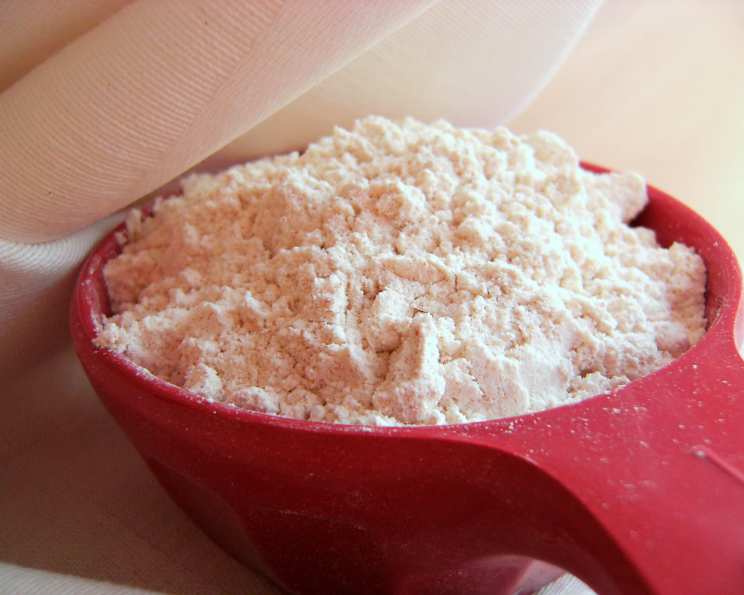
Mastering Cake Flour: A Baker’s Secret Weapon
I remember the first time I attempted a multi-layered sponge cake. I envisioned a towering masterpiece, a light-as-air creation that would impress everyone. Instead, I ended up with a dense, almost rubbery disaster. The culprit? I didn’t understand the importance of cake flour. It was a pivotal moment, a humbling experience that launched me on a quest to understand the nuances of baking, starting with mastering the art of making my own cake flour. This skill has saved me countless trips to the store and ensured that my cakes are always tender and delicate.
Recipe Overview
- Prep Time: 5 minutes
- Yields: 5-6 Cups
- Serves: 2
- Dietary Type: Vegetarian
Ingredients
- 6 cups all-purpose flour (white or wheat)
- 12 tablespoons cornstarch
Equipment Needed
- Measuring cups
- Measuring spoons
- Large bowl
- Sifter or fine-mesh strainer
Instructions
-
Begin by measuring out the total amount of flour required for your recipe. For this master recipe, we’ll start with 6 cups of all-purpose flour.
-
For every 1 cup of all-purpose flour, carefully remove 2 tablespoons. This step is crucial, as the protein content of all-purpose flour needs to be reduced to achieve the delicate texture of cake flour.
-
Now, for every 1 cup of all-purpose flour, add back 2 tablespoons of cornstarch. The cornstarch acts as a tenderizing agent, inhibiting gluten development and contributing to that signature soft crumb.
-
The next, and arguably most important step, is the sifting. Sift the flour and cornstarch mixture together a minimum of 5-6 times. This thorough sifting ensures that the cornstarch is evenly distributed throughout the flour, and also aerates the mixture, further contributing to a lighter texture.
-
If you don’t have a sifter, don’t worry! A fine-mesh strainer works just as well. Simply fill the strainer with the flour mixture and gently tap the side against the palm of your hand over a bowl to push the flour through. Remember to tap gently to avoid making a mess. You can put any left-over flour that stays in the bag.
-
Finally, always measure the flour needed for your specific recipe after it has been sifted. This ensures accurate measurements and consistent results.
Expert Tips & Tricks
- The Sifting Secret: Don’t underestimate the power of sifting! It’s not just about removing lumps; it’s about incorporating air into the flour, which leads to a more tender crumb.
- Gluten-Free Cake Flour: While this recipe uses all-purpose flour, you can adapt it to create a gluten-free version. Use a gluten-free all-purpose flour blend as your base, but be mindful that the final texture may vary slightly.
- Humidity Matters: In humid climates, the flour may absorb moisture, which can affect the final result. Consider sifting the flour right before using it to ensure it’s as light and airy as possible.
- Wheat vs White: Feel free to use white or wheat all-purpose flour for this recipe. Keep in mind that wheat flour will lend a slightly heartier, nuttier flavor and a slightly denser texture to your baked goods.
- Making Ahead: If you have a large batch of cakes to bake, you can make a big batch of cake flour at once and store it as mentioned below.
Serving & Storage Suggestions
Your homemade cake flour is ready to be used in any recipe calling for cake flour! Store any leftover cake flour in an airtight container in a cool, dry place, just as you would with regular flour. It should last for several months, as long as it’s protected from moisture and pests. There’s no need to reheat, but if you’re using it after it’s been stored for a while, give it a quick sift before using to ensure it’s still light and airy.
Nutritional Information
| Nutrient | Amount per Serving | % Daily Value |
|---|---|---|
| Calories | 1547.9 kcal | N/A |
| Calories from Fat | 33 g | 2% |
| Total Fat | 3.7 g | 5% |
| Saturated Fat | 0.6 g | 2% |
| Cholesterol | 0 mg | 0% |
| Sodium | 11.8 mg | 0% |
| Total Carbohydrate | 330 g | 109% |
| Dietary Fiber | 10.6 g | 42% |
| Sugars | 1 g | 4% |
| Protein | 38.9 g | 77% |
Note: Nutritional information is an estimate and may vary based on specific ingredients and serving sizes.
Variations & Substitutions
- Spelt Flour: For a slightly different flavor profile and increased nutritional value, you can substitute up to half of the all-purpose flour with spelt flour.
- Potato Starch: If you don’t have cornstarch on hand, you can use potato starch as a substitute in the same ratio. However, be aware that potato starch can sometimes impart a slightly different flavor, so test it out in a small batch first.
- Tapioca Starch: Tapioca starch can also be used in place of cornstarch. Keep in mind that tapioca starch tends to be a bit “stickier” than cornstarch, so your final product may have a slightly chewier texture.
- Chocolate Cake Flour: To make chocolate cake flour, remove 2 additional tablespoons of flour per cup and replace them with unsweetened cocoa powder in addition to the 2 tablespoons of cornstarch.
FAQs (Frequently Asked Questions)
Q: Why is cake flour important in baking?
A: Cake flour has a lower protein content than all-purpose flour, which results in less gluten development. This yields cakes that are tender, soft, and have a delicate crumb.
Q: Can I use this homemade cake flour in any recipe calling for store-bought cake flour?
A: Yes, you can! This recipe is designed to replicate the properties of commercially produced cake flour, so it should work perfectly in any recipe.
Q: Can I use whole wheat flour instead of white flour?
A: While you can use whole wheat flour, it will result in a denser and heavier cake. The gluten content of whole wheat flour is higher than white flour, so the texture won’t be quite the same. If you do use whole wheat, consider using a 50/50 blend of whole wheat and white all-purpose.
Q: How do I know if my flour has been sifted enough?
A: The goal is to distribute the cornstarch evenly and aerate the flour. After sifting 5-6 times, the mixture should feel very light and airy, and the cornstarch should be fully incorporated.
Q: What if I don’t have a sifter or strainer?
A: While a sifter or strainer is ideal, you can also use a whisk to thoroughly combine the flour and cornstarch. Whisk vigorously for several minutes to ensure even distribution and some aeration. However, the results may not be as consistent as with sifting.
Final Thoughts
Now that you’ve unlocked the secret to making your own cake flour, you’re ready to elevate your baking game. Embrace the process, experiment with different variations, and don’t be afraid to get creative! Whether you’re whipping up a classic Victoria sponge or a decadent chocolate cake, this simple recipe will help you achieve bakery-worthy results every time. Share your creations with friends and family, and let them marvel at your newfound baking prowess. Happy baking!