
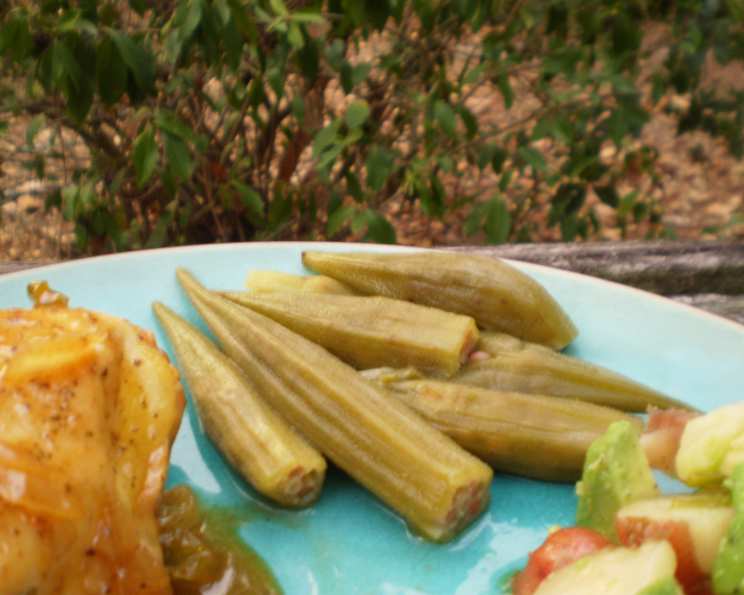
Preparing Fresh Okra (Bamia) for Culinary Success
The first time I truly appreciated okra was not in a Southern gumbo, as one might expect, but in my grandmother’s sun-drenched kitchen, watching her prepare a simple yet sublime stew. The air, thick with the scent of cumin and simmering tomatoes, was filled with her gentle humming. She handled the okra with a reverence, meticulously trimming each pod and explaining how to coax out its best qualities while minimizing its notorious sliminess. That memory, infused with love and the earthy fragrance of the garden, cemented my affection for this often-misunderstood vegetable.
Recipe Overview
- Prep Time: 35 minutes
- Yields: 1 lb
- Serves: 4
- Dietary Type: Vegan
Ingredients
- ½ cup vinegar (Note: The original recipe suggests that Greeks traditionally use red wine vinegar. For a halal option, use white vinegar or apple cider vinegar.)
- 1 lb fresh okra
- 2 tablespoons oil (if freezing using Method 1)
- OR 8 cups boiling water (if freezing using Method 2)
Equipment Needed
- Large bowl
- Colander or strainer
- Nylon scourer (optional, for mature okra)
- Deep pan (for freezing method 1)
- Wooden spoon (for freezing method 1)
- Freezer bags
- Large pot (for freezing method 2)
- Frying basket (for freezing method 2)
- Bowl of ice water (for freezing method 2)
Instructions
- Begin by washing the okra well, handling the pods gently to avoid bruising.
- Trim the stem end of each okra pod, being careful not to cut into the pod itself. The goal is to remove the tough end without exposing the seeds inside.
- Carefully trim around the top of the stem where it attaches to the pod. Remove only a thin layer.
- If the okra is mature and has a slightly fuzzy texture, you can remove the fuzz under running water by gently rubbing the pods with a nylon scourer. If the okra is young and tender, this step is unnecessary.
- Spread the trimmed and cleaned okra out on a clean kitchen towel or paper towels and leave until completely dry. This is important for preventing sliminess and ensuring the vinegar adheres properly.
- Place the dried okra in a bowl and pour the vinegar over it. Gently toss the okra so that each pod is thoroughly coated with the vinegar.
- Let the okra sit in the vinegar for 30 minutes. This step is crucial for breaking down the compounds that cause sliminess.
- Drain the okra in a colander or strainer and rinse it well under cold running water to remove the vinegar.
- Dry the okra thoroughly before using it in your recipes. It’s now ready to be cooked as directed in your desired recipes.
Freezing Okra: Two Methods
Method 1: Frying
- Prepare the okra as described in steps 1-9 above, ensuring it is thoroughly dried after rinsing.
- In a deep pan, heat the oil over medium heat.
- Fry the okra for 5 minutes, tossing gently with a wooden spoon to ensure even cooking. Do not overcrowd the pan; work in batches if necessary.
- Cool the okra completely before freezing.
- Pack the cooled okra into freezer bags, expel any excess air, seal tightly, and label with the date.
- Place the bags in the freezer.
Method 2: Blanching
- Prepare the okra as described in steps 1-9 above, ensuring it is thoroughly dried after rinsing.
- Bring a large pot of water to a rolling boil.
- Prepare a bowl of ice water and set it aside.
- Place the prepared okra into a frying basket and carefully lower it into the boiling water.
- Boil the okra for 3 minutes, starting the timer from when the water returns to a boil after adding the okra.
- Lift the frying basket out of the boiling water and immediately plunge the okra into the bowl of ice water for 3 minutes. This stops the cooking process and helps preserve the color and texture.
- Drain the okra well.
- Pack the blanched okra into freezer bags, expel any excess air, seal tightly, and label with the date.
- Place the bags in the freezer.
Expert Tips & Tricks
- Choosing Okra: Select okra pods that are bright green, firm, and relatively small. Larger pods tend to be tougher and more fibrous.
- The Vinegar Secret: The vinegar is essential for reducing sliminess. Don’t skip this step!
- Drying is Key: Ensure the okra is thoroughly dried after washing and rinsing to prevent it from becoming soggy during cooking.
- Freezing Tips: When freezing, try to spread the okra in a single layer on a baking sheet before bagging them. This prevents clumping and makes it easier to use individual pieces later. For both methods, ensuring all excess air is removed from the freezer bags will help prevent freezer burn.
- Gentle Handling: Be gentle when handling okra to avoid bruising, which can contribute to sliminess.
- Cooking with Acidity: Adding acidic ingredients like tomatoes or lemon juice during cooking can also help minimize sliminess.
Serving & Storage Suggestions
The prepared okra, whether fresh or frozen, can be used in a variety of dishes. Freshly prepared okra can be added to stews, gumbos, or fried dishes immediately. Okra prepared using this recipe can be stored in the refrigerator for up to 2 days before cooking. Frozen okra will last for several months in the freezer. When ready to use frozen okra, there is no need to thaw it before adding it to your recipe. Simply add it directly from the freezer.
Nutritional Information
Here’s an approximate nutritional breakdown for 1/4 of the prepared recipe (using only vinegar for preparation, excluding oil from Method 1):
| Nutrient | Amount per Serving | % Daily Value |
|---|---|---|
| Calories | 100.7 kcal | – |
| Total Fat | 6.9 g | 10% |
| Saturated Fat | 0.9 g | 4% |
| Cholesterol | 0 mg | 0% |
| Sodium | 9.7 mg | 0% |
| Total Carbohydrate | 8 g | 2% |
| Dietary Fiber | 3.6 g | 14% |
| Sugars | 1.4 g | – |
| Protein | 2.3 g | – |
Note: Nutritional information is an estimate and may vary based on specific ingredients and preparation methods.
Variations & Substitutions
- Spice it up: Add a pinch of chili flakes to the vinegar marinade for a little heat.
- Herbs: Toss the okra with fresh herbs like thyme or oregano before cooking for added flavor.
- Vinegar Options: Experiment with different types of vinegar, such as balsamic or rice vinegar, for unique flavor profiles.
- No Vinegar?: Lemon or Lime juice may be substituted for the vinegar. Use the same amounts.
FAQs (Frequently Asked Questions)
Q: Why is it important to trim the okra properly?
A: Trimming the stem end without cutting into the pod helps prevent the release of mucilage, the substance that causes sliminess.
Q: Can I skip the vinegar step?
A: While you can skip it, the vinegar is highly recommended for reducing sliminess. It helps break down the mucilage and results in a better texture.
Q: How long can I store the prepared okra in the freezer?
A: Properly frozen okra can last for several months, typically up to 8-12 months, without significant loss of quality.
Q: Is it necessary to remove the fuzz from young okra?
A: No, if the okra is young and tender, there’s no need to remove the fuzz. It’s primarily for mature okra with a slightly prickly texture.
Q: Can I use frozen okra directly in recipes without preparing it first?
A: Yes, but preparing it as described reduces sliminess regardless of whether it’s used immediately or frozen. The parboiling that happens during the freezing preparation will also help prevent the okra from getting soggy when eventually cooked.
Final Thoughts
Preparing fresh okra might seem a little daunting at first, but with these simple steps, you’ll unlock its full potential and transform it into a culinary delight. Don’t hesitate to experiment with different flavor combinations and cooking methods to find your perfect okra dish. Whether you’re making a hearty gumbo, a flavorful stew, or simply enjoying it fried, I encourage you to give this recipe a try and experience the unique taste and texture of perfectly prepared okra. Share your creations and feedback – I’d love to hear how it goes!