
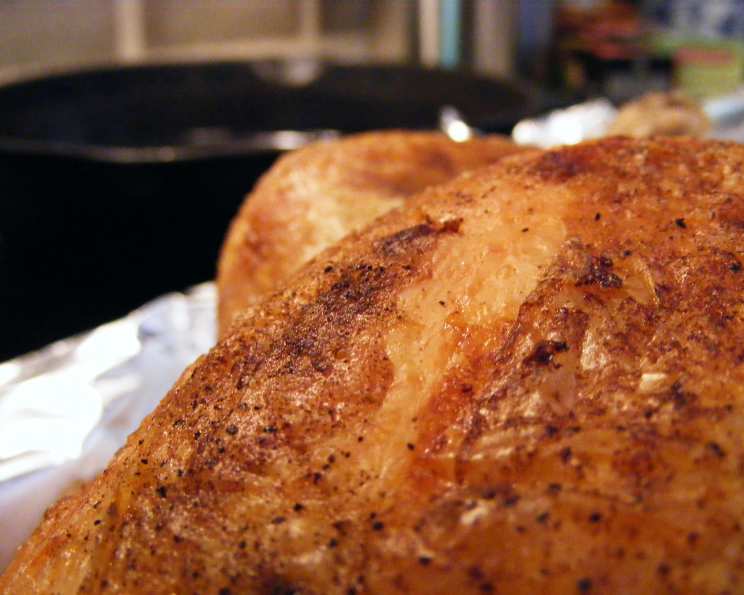
The Quintessential Roasted Chicken: A Chef’s Guide
My grandmother, bless her soul, had a way of making even the simplest meals feel like a celebration. And nothing said “Sunday supper” quite like her perfectly roasted chicken. I remember the aroma that would fill the entire house – a savory symphony of herbs, butter, and golden-brown skin that had my stomach rumbling long before it hit the table. It wasn’t just food; it was an experience, a feeling of warmth and togetherness that I strive to recreate every time I roast a chicken myself. This recipe is my humble attempt to share that feeling with you.
Recipe Overview
- Prep Time: 30 minutes
- Cook Time: 1 hour 30 minutes
- Total Time: 2 hours
- Servings: 4
- Dietary Type: Omnivore
Ingredients
- 1 (6 lb) roasting chicken
- 1 tablespoon unsalted butter, softened
- Salt and pepper
- 1 lemon
- 3 large garlic cloves
- 4 sprigs fresh rosemary
- 2 medium onions, peeled and cut crosswise into 1/2-inch-thick slices
Equipment Needed
- Heavy-duty roasting pan
- Kitchen twine
- Fork
- Large knife
- Instant-read thermometer
Instructions
-
Allow the chicken and butter to stand at room temperature for 30 minutes. This will ensure the chicken cooks more evenly and the butter is easier to spread.
-
Preheat your oven to 425°F (220°C). Temperature accuracy is vital for achieving that crispy, golden-brown skin.
-
Remove the giblets from the chicken cavity. These can be saved to make a delicious gravy later! Tuck the wing tips under the body of the chicken; this helps prevent them from burning during roasting.
-
Generously season the cavity of the chicken with salt and pepper. Don’t be shy – this is your opportunity to infuse flavor from the inside out.
-
Place the palm of your hand on top of the lemon and, pressing down firmly, roll it back and forth on a work surface several times. This releases the lemon’s juices and essential oils.
-
Pierce the entire surface of the lemon with a fork. This will allow the lemon to steam inside the chicken, adding a subtle citrus aroma to the meat.
-
Using the side of a large knife, gently press on the garlic cloves to open them slightly. This releases their flavor without chopping them.
-
Insert the lemon, garlic, and rosemary into the chicken cavity.
-
In the center of a heavy-duty roasting pan, arrange the onion slices in two rows, letting the slices and rows touch. This creates a natural roasting rack for the chicken, allowing air to circulate and preventing the bottom from becoming soggy.
-
Place the chicken on top of the onion slices.
-
Tie the chicken legs together with kitchen twine. This helps the chicken cook evenly and gives it a more appealing presentation.
-
Spread the softened butter over the entire surface of the chicken. Be generous! The butter will help the skin crisp up and turn a beautiful golden brown.
-
Season the entire surface of the chicken generously with salt and pepper.
-
Roast until the skin is crisp and deep golden brown, and the juices run clear when the chicken is pierced with a fork, about 1 1/2 hours. The exact cooking time will depend on the size of your chicken and your oven, so it’s essential to check for doneness.
-
To ensure the chicken is fully cooked, insert an instant-read thermometer into the thickest part of the breast, then into the thigh. The chicken is ready when the breast or thigh reaches 165°F (74°C).
-
Let the roasted chicken rest for at least 10-15 minutes before carving. This allows the juices to redistribute, resulting in a more tender and flavorful bird.
-
Garnish with extra rosemary sprigs for a beautiful presentation.
Expert Tips & Tricks
- Brining: For an extra-juicy chicken, consider brining it for a few hours or overnight. A simple brine of salt, sugar, and water will work wonders.
- Dry Brining: If you don’t have time for a wet brine, try dry brining! Liberally salt the chicken 1-2 days ahead of time and let it sit uncovered in the fridge. The salt will draw out moisture, then reabsorb into the meat, resulting in a more flavorful and juicy bird.
- Elevate the Flavor Profile: Experiment with different herbs and spices. Thyme, sage, and oregano are all excellent additions to the chicken cavity or rubbed under the skin.
- Pan Gravy Magic: While the chicken is resting, deglaze the roasting pan with white wine or chicken broth. Scrape up all the browned bits from the bottom of the pan – these are packed with flavor! Thicken with a cornstarch slurry for a delicious pan gravy.
- Crispy Skin Secrets: Ensure the chicken skin is completely dry before roasting. Pat it down with paper towels to remove any excess moisture. You can also place the chicken uncovered in the refrigerator for a few hours to help dry out the skin.
- Don’t overcrowd the pan! Roasting works by circulating hot air. Overcrowding inhibits that process and can result in steamed rather than roasted food.
Serving & Storage Suggestions
Serve your perfectly roasted chicken with your favorite side dishes – roasted vegetables, mashed potatoes, stuffing, or a simple green salad all pair beautifully.
Leftover roasted chicken can be stored in an airtight container in the refrigerator for up to 3-4 days. You can also freeze it for longer storage – just be sure to wrap it tightly to prevent freezer burn.
To reheat, bake in a moderate oven (350°F/175°C) until heated through. You can also shred the leftover chicken and use it in soups, salads, sandwiches, or casseroles.
Nutritional Information
| Nutrient | Amount per Serving | % Daily Value |
|---|---|---|
| Calories | 1005 kcal | N/A |
| Calories from Fat | 653 kcal | 65% |
| Total Fat | 72.7 g | 111% |
| Saturated Fat | 21.8 g | 108% |
| Cholesterol | 328.5 mg | 109% |
| Sodium | 302.2 mg | 12% |
| Total Carbohydrate | 7.4 g | 2% |
| Dietary Fiber | 1.4 g | 5% |
| Sugars | 2.7 g | 10% |
| Protein | 76.3 g | 152% |
Note: Nutritional information is an estimate and may vary based on specific ingredients and portion sizes.
Variations & Substitutions
- Herb Variations: Swap out the rosemary for thyme, sage, or oregano, or use a combination of your favorite herbs.
- Citrus Infusion: Experiment with different citrus fruits. Orange, grapefruit, or even lime can add a unique flavor dimension.
- Spice Rub: Create a flavorful spice rub by combining paprika, garlic powder, onion powder, chili powder, and other spices. Rub it under the skin for an extra-flavorful chicken.
- Vegetable Medley: Roast the chicken on a bed of assorted vegetables, such as carrots, potatoes, sweet potatoes, and parsnips. The vegetables will soak up the flavorful chicken juices and become incredibly delicious.
- Wine Infusion: Add a splash of white wine or chicken broth to the bottom of the roasting pan for extra moisture and flavor.
FAQs (Frequently Asked Questions)
Q: How do I know when the chicken is done?
A: The best way to check for doneness is to use an instant-read thermometer. Insert it into the thickest part of the breast and thigh; the chicken is ready when it reaches 165°F (74°C).
Q: My chicken skin isn’t crispy. What can I do?
A: Make sure the chicken skin is completely dry before roasting. You can also increase the oven temperature for the last 15-20 minutes of cooking to help crisp up the skin.
Q: Can I roast a frozen chicken?
A: It’s not recommended to roast a frozen chicken. Always thaw it completely in the refrigerator before cooking. This ensures even cooking and prevents the growth of harmful bacteria.
Q: What can I do with the leftover chicken carcass?
A: Don’t throw it away! Use it to make a flavorful chicken stock or broth. Simply simmer the carcass with vegetables, herbs, and water for several hours, then strain.
Q: How long can I store leftover roasted chicken?
A: Leftover roasted chicken can be stored in an airtight container in the refrigerator for up to 3-4 days.
Final Thoughts
Roasting a chicken is more than just cooking a meal; it’s an act of love, a way to bring people together around a shared table. Don’t be intimidated by the process – with a few simple ingredients and techniques, you can create a truly memorable dish. So, go ahead, preheat your oven, and get ready to experience the joy of a perfectly roasted chicken. I encourage you to share your own variations and feedback; cooking is a journey best traveled together. Perhaps serve it alongside a crisp glass of Sauvignon Blanc or a hearty Pinot Noir for the ultimate culinary experience. Enjoy!