
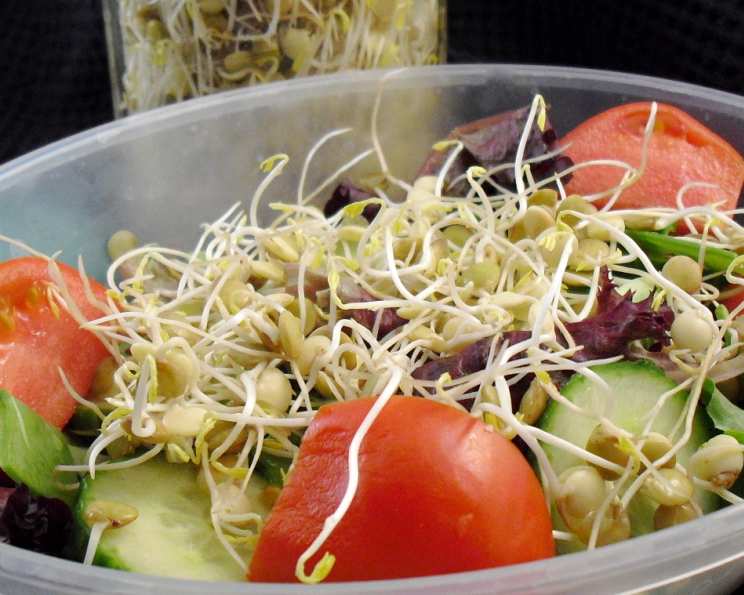
How to Sprout Lentils: A Simple Guide to Nutrient-Packed Goodness
My grandmother, a woman whose kitchen was a laboratory of health and flavor, always had a jar of sprouting lentils on her windowsill. As a child, I was fascinated by the tiny tails emerging from these humble legumes, transforming them into miniature powerhouses of nutrition. She’d sprinkle them on everything from salads to sandwiches, a secret weapon against colds and a vibrant reminder of nature’s bounty. To this day, the earthy aroma of sprouting lentils evokes a sense of warmth, nourishment, and the simple magic of homemade goodness.
Recipe Overview
- Prep Time: 5 minutes
- Soak Time: 12 hours
- Sprouting Time: 3 days
- Total Time: 3 days 5 minutes
- Yield: Approximately 1 cup of sprouts
- Dietary Type: Vegan, Gluten-Free
Ingredients
- ½ cup lentils (I prefer brown lentils, but green or red will also work, though the sprouting time may vary)
- 2 cups water
Equipment Needed
- 1 quart jar
- Cheesecloth or thin, clean washcloth
- Rubber band
Instructions
- Begin by placing the lentils in a quart jar.
- Pour 2 cups of water over the lentils, ensuring they are fully submerged.
- Cover the top of the jar with cheesecloth (or a clean, thin washcloth). Secure the cheesecloth tightly with a rubber band. This will allow air circulation while preventing any unwanted visitors from entering.
- Let the lentils sit in the water overnight for approximately 12 hours. This soaking process initiates the sprouting.
- The next day, carefully drain off all the water from the jar. Ensure that no water remains pooling at the bottom, as this can lead to mold growth.
- Rinse the lentils thoroughly with fresh, cool water. Drain again completely.
- Repeat the rinsing and draining process once or twice daily. It’s crucial to keep the lentils moist but not waterlogged.
- Store the jar in a location away from direct sunlight. A cupboard or a shaded area of your kitchen works perfectly.
- Continue this rinsing and draining routine for the next two days.
- By the third day (or sometimes the fourth, depending on your environment and the type of lentil), you should observe small sprouts, approximately ¼ to ½ inch long, emerging from the lentils. These are your lentil sprouts, and they are ready to be enjoyed!
- Once the sprouts have reached your desired length, transfer them to a clean glass or plastic jar, or a plastic bag.
- Ensure the sprouts aren’t overly wet. Gently pat them dry with a paper towel if necessary.
- Store the jar of lentil sprouts in the refrigerator.
Expert Tips & Tricks
- Quality Matters: Always use fresh, high-quality lentils specifically intended for sprouting. Older lentils may have a lower germination rate.
- Proper Drainage: Inadequate drainage is the biggest enemy of successful sprouting. Ensure that the lentils are thoroughly drained after each rinsing to prevent mold growth. Tilting the jar upside down at an angle in a bowl can help with this.
- Temperature Control: The ideal temperature for sprouting lentils is between 70-75°F (21-24°C). Extreme temperatures can hinder sprouting or promote mold growth.
- Taste Test: Taste a few sprouts before storing them. If they have a bitter taste, they may need an extra rinse.
- Humidity: If you live in a humid climate, you might need to rinse and drain the lentils more frequently to prevent mold. In drier climates, you may need to rinse them more often to keep them adequately moist.
- Sprout Length: The length of the sprout is a matter of personal preference. Some people prefer shorter sprouts, while others enjoy longer ones. Experiment to find what you like best.
- Batch Size: Start with a small batch of lentils until you get the hang of the sprouting process. This will minimize waste if you encounter any issues.
- Troubleshooting: If you notice any mold growth, discard the entire batch of lentils immediately. It’s better to be safe than sorry.
- Consider using a sprouting lid for your jar. These lids have a mesh screen built in, making rinsing and draining much easier.
Serving & Storage Suggestions
Lentil sprouts are incredibly versatile and can be incorporated into a variety of dishes. They are a delicious and nutritious addition to salads, sandwiches, wraps, and stir-fries. You can also enjoy them as a healthy snack on their own.
To store your lentil sprouts, keep them refrigerated in a clean, airtight container. Properly stored, they should last for up to 5-7 days. Be sure to inspect them before each use and discard any that show signs of spoilage (e.g., mold, discoloration, or a foul odor).
Lentil sprouts are best enjoyed raw to preserve their nutritional value and crisp texture. However, you can lightly sauté them or add them to soups and stews during the last few minutes of cooking.
Nutritional Information
Here’s an approximate nutritional breakdown for a ¼ cup serving of lentil sprouts:
| Nutrient | Amount per Serving | % Daily Value* |
|---|---|---|
| Calories | 30 kcal | 2% |
| Total Fat | 0.2g | 0% |
| Saturated Fat | 0g | 0% |
| Cholesterol | 0mg | 0% |
| Sodium | 2mg | 0% |
| Total Carbohydrate | 5g | 2% |
| Dietary Fiber | 2g | 8% |
| Sugars | 0.5g | |
| Protein | 3g | 6% |
| Vitamin A | 50 IU | 1% |
| Vitamin C | 2mg | 3% |
| Calcium | 10mg | 1% |
| Iron | 0.5mg | 3% |
*Percent Daily Values are based on a 2,000 calorie diet.
Variations & Substitutions
- Different Lentils: Experiment with different types of lentils, such as green, red, or black lentils. Each variety will have a slightly different flavor and texture. Note that red lentils will sprout much faster and may become mushy, so they require closer attention.
- Other Legumes: You can also try sprouting other legumes, such as mung beans or alfalfa seeds, using the same method.
- Spice It Up: Add a pinch of sea salt or red pepper flakes to the rinsing water for a subtle flavor enhancement.
- Vinegar Rinse: For added safety, you can add a teaspoon of white vinegar to the rinsing water. This can help to inhibit the growth of bacteria.
FAQs (Frequently Asked Questions)
Q: Why aren’t my lentils sprouting?
A: Several factors can prevent lentils from sprouting, including old or damaged lentils, improper temperature, inadequate moisture, or poor drainage. Ensure your lentils are fresh, the temperature is between 70-75°F (21-24°C), you’re rinsing and draining them regularly, and there’s no standing water in the jar.
Q: How long should the sprouts be before I eat them?
A: The ideal sprout length is a matter of personal preference, but most people prefer them to be between ¼ and ½ inch long. You can harvest them at any stage after they sprout.
Q: Can I cook lentil sprouts?
A: While lentil sprouts are typically eaten raw, you can lightly sauté them or add them to soups and stews during the last few minutes of cooking. Overcooking will make them mushy and diminish their nutritional value.
Q: How do I prevent mold from growing?
A: Proper drainage is key to preventing mold growth. Ensure that you rinse the lentils thoroughly and drain off all excess water after each rinsing. Also, store the jar in a well-ventilated area.
Q: Are lentil sprouts safe to eat?
A: When sprouted properly and handled with care, lentil sprouts are generally safe to eat. However, it’s important to use fresh, high-quality lentils and to follow proper hygiene practices during the sprouting process. Always inspect the sprouts before eating and discard any that show signs of spoilage.
Final Thoughts
Sprouting lentils is a remarkably simple and rewarding way to add a burst of nutrition and flavor to your diet. It’s a testament to the power of nature and a reminder that even the humblest ingredients can be transformed into something extraordinary. So, gather your lentils, grab a jar, and embark on your own sprouting adventure. And don’t hesitate to share your experiences and creations with others – the world always needs more healthy and delicious food!