
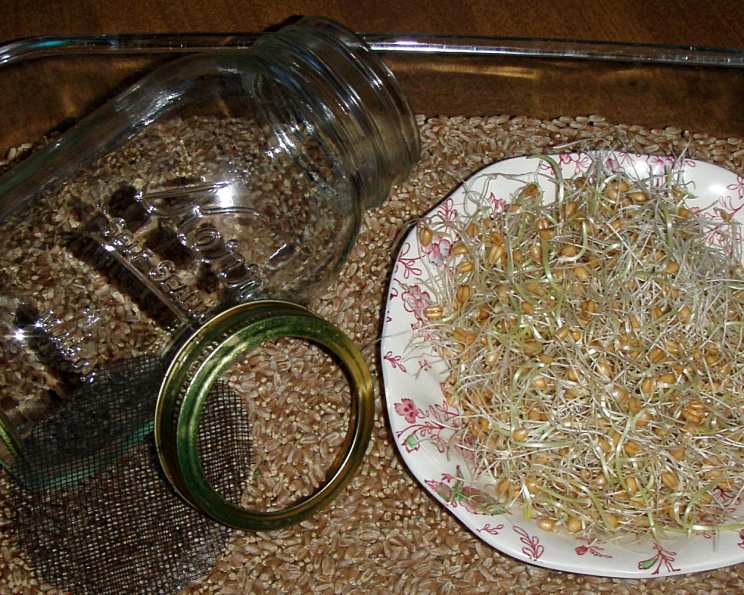
How to Sprout Wheat Berries: A Simple Guide
The first time I saw wheat berries sprouting, I was a child visiting my grandmother’s farm. She had a sunny windowsill lined with jars, each brimming with these pale, hopeful shoots reaching for the light. I remember being fascinated by the transformation, the tiny seeds bursting into life, and the slightly sweet, grassy smell that filled the air. She’d sprinkle them on everything from salads to sandwiches, and I loved the fresh, nutty crunch they added. That simple act of sprouting felt like a little bit of magic, a connection to the earth that I’ve cherished ever since.
Recipe Overview
- Prep Time: 5 minutes
- Soak Time: 2 hours
- Sprouting Time: 2-4 days
- Yield: 2 cups
- Dietary Type: Vegan
Ingredients
- ¼ cup wheat berries
- Water
Equipment Needed
- Quart-sized canning jar (or similar jar)
- Cheesecloth (or a square of clean washcloth)
- Jar ring or rubber band
- Colander
- Plastic bag
Instructions
-
Start by placing the ¼ cup of wheat berries into a clean, quart-sized canning jar (or any similar, regular jar).
-
Fill the jar with lukewarm water, ensuring the wheat berries are completely submerged. They will expand as they soak.
-
Cover the mouth of the jar with a double thickness of cheesecloth. If you don’t have cheesecloth, you can cut a clean washcloth into squares; one square will work perfectly. Secure the cheesecloth (or washcloth) tightly with a jar ring or a rubber band. This will allow you to drain the water while keeping the wheat berries inside.
-
Drain the water from the jar through the cheesecloth. Then, refill the jar with fresh, lukewarm water. Allow the wheat berries to soak for 2 hours. This soaking process hydrates the berries and begins the germination process.
-
After the 2-hour soak, drain the water again. Rinse the wheat berries thoroughly with fresh water, ensuring you remove any residual starch or debris. Drain the water completely after rinsing.
-
Place the jar on its side in a dark, cool place. This is crucial for proper sprouting. The darkness encourages the sprouts to grow longer as they reach for a non-existent light source. A cupboard or a pantry works well.
-
Rinse and drain the wheat berries twice a day for 2 to 4 days. This is the most important step for successful sprouting. Rinsing keeps the wheat berries moist and prevents mold growth. Make sure to drain the water thoroughly each time to prevent them from becoming waterlogged.
-
Continue rinsing and draining until the sprouts are about ⅓ to ¾ inch long, and you have approximately 2 cups of sprouts. The sprouting time will vary depending on the temperature and humidity. The warmer the environment, the faster they will sprout.
-
Once the wheat berries have sprouted to your desired length, place them in a colander and rinse them thoroughly with cold water to stop the sprouting process. Drain them well.
-
Transfer the sprouted wheat berries to a plastic bag and store them in the refrigerator. They are now ready to use!
Expert Tips & Tricks
- Choosing Wheat Berries: Look for wheat berries that are plump and uniform in color. Avoid any that look shriveled or discolored. Health food stores or well-stocked grocery stores are your best bet.
- Dealing with Mold: If you notice any mold growth (usually a fuzzy white or grayish substance), discard the entire batch. Proper rinsing and drainage are key to preventing mold.
- Faster Sprouting: To speed up the sprouting process, you can place the jar in a slightly warmer location (around 70-75°F). However, be extra vigilant about rinsing, as warmer temperatures also encourage mold growth.
- Flavor Enhancement: For a subtle flavor boost, try adding a pinch of sea salt to the rinsing water during the last day of sprouting.
- Even Sprouting: Gently stir or agitate the wheat berries after each rinse to ensure even distribution and encourage uniform sprouting.
Serving & Storage Suggestions
Sprouted wheat berries are incredibly versatile and can be added to a wide variety of dishes. They’re delicious in salads, providing a satisfying crunch and a slightly sweet flavor. You can also add them to bread dough for a boost of nutrients and texture. Try them in stir-fries, soups, or as a simple snack.
Store sprouted wheat berries in a plastic bag in the refrigerator for up to 5 days. Ensure they are well-drained before storing to prevent them from becoming soggy. They are best used fresh but can be frozen for longer storage. To freeze, spread the sprouted wheat berries in a single layer on a baking sheet and freeze until solid. Then, transfer them to a freezer bag or container.
Nutritional Information
| Nutrient | Amount per Serving | % Daily Value |
|---|---|---|
| Calories | 80 kcal | 4% |
| Total Fat | 0.5g | 1% |
| Saturated Fat | 0g | 0% |
| Cholesterol | 0mg | 0% |
| Sodium | 0mg | 0% |
| Total Carbohydrate | 17g | 6% |
| Dietary Fiber | 2g | 7% |
| Sugars | 0g | 0% |
| Protein | 3g | 6% |
Nutritional information is an estimate and may vary based on specific ingredients and preparation methods.
Variations & Substitutions
- Other Grains: You can use this same method to sprout other grains like quinoa, barley, or rye. Sprouting times may vary, so keep an eye on them.
- Different Cloth: If you don’t have cheesecloth or a washcloth, you can use a sprouting lid designed for canning jars. These lids have a mesh screen that allows for easy rinsing and drainage.
- Sprout Blends: Experiment with sprouting a mix of different grains and seeds for a variety of flavors and textures.
- Sun Exposure: After sprouting, expose them to the sun for a couple hours to get a “greening” effect.
FAQs (Frequently Asked Questions)
Q: How do I know if my wheat berries have gone bad?
A: If your sprouts smell unpleasant or moldy, discard them immediately. Healthy sprouts should have a fresh, slightly sweet smell.
Q: Can I eat the sprouts if they develop tiny root hairs?
A: Yes, the tiny root hairs are perfectly safe to eat. They are a sign that the sprouting process is progressing normally.
Q: Why is it important to rinse the wheat berries twice a day?
A: Rinsing helps to keep the wheat berries moist and prevents mold growth. It also removes any excess starch that can accumulate during the sprouting process.
Q: How long does it take for wheat berries to sprout?
A: Typically, wheat berries will sprout in 2 to 4 days, but the exact time can vary depending on the temperature and humidity of your environment.
Q: Can I sprout wheat berries in a sprouting machine?
A: Yes, sprouting machines can be used to sprout wheat berries. Follow the manufacturer’s instructions for best results.
Final Thoughts
Sprouting wheat berries is a simple, rewarding process that unlocks a wealth of nutritional benefits and culinary possibilities. Don’t be intimidated by the process; it’s far easier than you might think. Give it a try, and soon you’ll be enjoying these little powerhouses in your favorite dishes. I highly encourage you to experiment with adding them to your favorite recipes and share your creations with friends and family. Who knows, you might just inspire someone else to embark on their own sprouting adventure!