
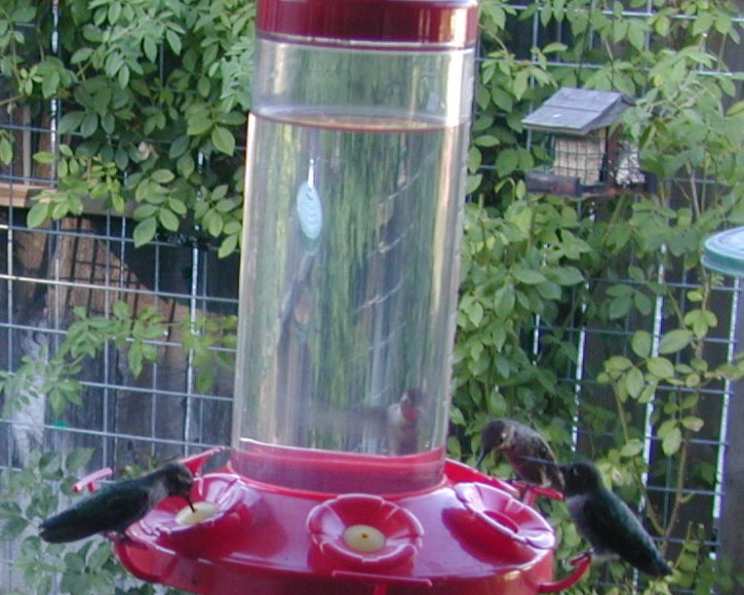
The Perfect Nectar: Crafting Your Own Hummingbird Feeding Solution
My grandmother, a woman whose garden was as vibrant and alive as her spirit, always had a cloud of hummingbirds flitting around her feeders. I remember being mesmerized as a child, watching these tiny, jewel-toned creatures darting and hovering with incredible precision. It wasn’t just the flowers that drew them in; she had a special “nectar,” as she called it, that they seemed to prefer over everything else. This recipe is my attempt to recreate that magic, to welcome these delightful visitors to my own backyard.
Recipe Overview
- Prep Time: 5 minutes
- Cook Time: 2 minutes
- Total Time: 7 minutes
- Yields: 2 cups
- Dietary Type: Vegan
Ingredients
- ½ cup sugar
- 2 cups water
Equipment Needed
- Saucepan
- Measuring cups
- Stirring spoon
- Clean hummingbird feeder
- Storage container (for leftover solution)
Instructions
- In a saucepan, combine the ½ cup of sugar with the 2 cups of water.
- Place the saucepan over medium-high heat and bring the mixture to a boil, stirring occasionally to help dissolve the sugar.
- Once boiling, reduce the heat slightly to maintain a gentle boil and continue to boil for exactly 2 minutes. This ensures the sugar is fully dissolved and helps to prevent mold growth in the feeder.
- Remove the saucepan from the heat and allow the solution to cool completely before filling your hummingbird feeder. Cooling is essential to prevent the birds from being burned and to minimize evaporation once the feeder is outside.
- Once cooled, carefully pour the solution into your clean hummingbird feeder. Any remaining feeding solution can be stored in an airtight container in the refrigerator for up to one week.
Important Note: Never add food coloring to your hummingbird feeding solution. Food coloring is unnecessary and potentially harmful to hummingbirds. The clear solution is perfectly adequate for attracting them.
Expert Tips & Tricks
- Sugar Type: Use only refined white granulated sugar. Avoid using honey, brown sugar, artificial sweeteners, or any other additives, as these can be harmful to hummingbirds. White sugar is the closest to the natural sucrose found in flower nectar.
- Water Quality: Tap water is generally safe to use, but if your tap water has a strong chlorine smell or taste, consider using filtered or bottled water for the best results.
- Feeder Placement: Hang your hummingbird feeder in a location that is easily visible to the birds but also protected from direct sunlight, which can cause the solution to spoil more quickly. A partially shaded area is ideal.
- Feeder Cleaning: Regular cleaning is crucial to prevent mold and bacteria growth. Clean your hummingbird feeder at least once a week, or more often in hot weather, using hot soapy water and a bottle brush. Rinse thoroughly before refilling. A diluted bleach solution (1 part bleach to 9 parts water) can be used for a more thorough cleaning, but be sure to rinse the feeder extremely well afterward to remove all traces of bleach.
- Ratio is Key: Sticking to the 1:4 sugar-to-water ratio is vital for the health of the hummingbirds. A higher sugar concentration can lead to dehydration, while a lower concentration may not provide enough energy.
- Don’t Overfill: Only fill the feeder with the amount of solution the hummingbirds can consume in a week. This minimizes waste and prevents spoilage.
Serving & Storage Suggestions
Once the hummingbird feeding solution has cooled completely, carefully fill your clean hummingbird feeder. Hang the feeder in a visible and accessible location, preferably near flowers or shrubs that hummingbirds frequent.
Store any leftover feeding solution in an airtight container in the refrigerator for up to one week. Discard any solution that appears cloudy, moldy, or discolored. Do not leave the feeding solution at room temperature for extended periods, as it will spoil quickly.
Nutritional Information
The following table provides an estimate of the nutritional content per serving (approximately 1 cup) of hummingbird feeding solution:
| Nutrient | Amount per Serving | % Daily Value |
|---|---|---|
| Calories | 200 kcal | N/A |
| Total Fat | 0 g | 0% |
| Saturated Fat | 0 g | 0% |
| Cholesterol | 0 mg | 0% |
| Sodium | Trace | 0% |
| Total Carbohydrate | 50 g | N/A |
| Dietary Fiber | 0 g | 0% |
| Sugars | 50 g | N/A |
| Protein | 0 g | 0% |
Note: Daily Value percentages are not applicable as hummingbirds have unique nutritional requirements.
Variations & Substitutions
While the classic 1:4 sugar-to-water ratio is the gold standard for hummingbird feeding solution, there aren’t really any substitutions that are safe or recommended. The health of the birds should be the top priority.
- Adding Electrolytes (Not Recommended): Some people suggest adding a tiny pinch of salt to the solution to provide electrolytes. However, this is generally not recommended, as the potential benefits are minimal, and the risk of harming the birds is higher.
FAQs (Frequently Asked Questions)
Q: Why is it important to boil the sugar and water mixture?
A: Boiling the mixture helps to dissolve the sugar completely and kill any bacteria or mold spores that may be present, which helps to prevent spoilage and keep the solution fresh for longer.
Q: How often should I change the hummingbird feeding solution?
A: You should change the solution at least once a week, or more often in hot weather. If the solution looks cloudy or contains debris, change it immediately.
Q: Can I use honey instead of sugar?
A: No, you should never use honey in hummingbird feeding solution. Honey can promote the growth of a harmful fungus that can be fatal to hummingbirds.
Q: Is it okay to add red dye to the hummingbird feeder?
A: Absolutely not! Red dye is unnecessary and potentially harmful to hummingbirds. Many feeders are designed with red accents to attract the birds, so the dye is redundant.
Q: How do I attract hummingbirds to a new feeder?
A: Place the feeder near brightly colored flowers or plants that hummingbirds are known to visit. You can also try dabbing a small amount of the feeding solution on the outside of the feeder to attract their attention.
Final Thoughts
Making your own hummingbird feeding solution is a simple yet rewarding way to connect with nature and support these amazing creatures. By following this easy recipe and taking a few precautions, you can create a safe and healthy food source that will keep your hummingbird visitors happy and thriving. So, go ahead, whip up a batch of this sweet nectar, hang your feeder, and get ready to witness the magic of hummingbirds up close. And, if you discover your own hummingbird-attracting secrets, be sure to share them! The more we learn about these fascinating birds, the better we can care for them.