
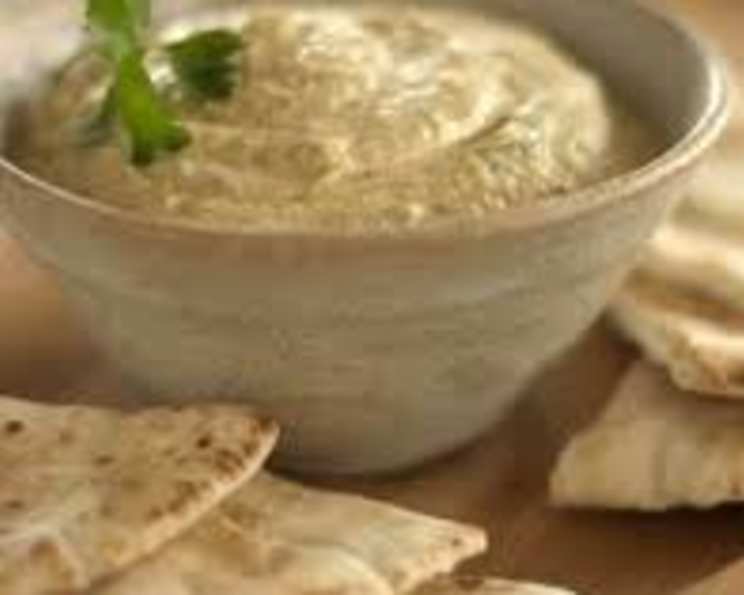
Homemade Hummus: A Flavorful and Healthy Delight
Hummus. The mere mention of it conjures up memories of sun-drenched afternoons spent in my grandmother’s garden. I vividly recall the vibrant colours of the freshly picked vegetables, the earthy aroma of her homemade bread, and, of course, the star of the show – her incredibly smooth and flavourful hummus. Each spoonful was a burst of freshness, a perfect blend of creamy chickpeas, tangy lemon, and aromatic spices, an experience that elevated simple gatherings into cherished moments.
Recipe Overview
- Prep Time: 5 minutes
- Cook Time: 0 minutes (excluding optional chickpea cooking time if using dried)
- Total Time: 10 minutes
- Yields: 2 cups
- Serves: 2
- Dietary Type: Vegan, Gluten-Free, Dairy-Free
Ingredients
- 1 (15 ounce) can chickpeas, drained and rinsed
- 1 lemon, juiced
- 1/4 cup sesame paste (tahini paste)
- 4 garlic cloves
- 1/2 teaspoon salt
- 1/2 teaspoon pepper, freshly ground
- 1 teaspoon ground cumin
- 1/4 cup water, or as much as you want to make the consistency you want
Equipment Needed
- Food processor
Instructions
- Place all ingredients except water in a food processor.
- Process until the mixture becomes a paste. If you desire, add other ingredients to make flavored hummus at this point, such as jalapeno, red peppers, or olives. Customize it to your liking.
- Slowly add water to achieve your desired consistency.
- Enjoy!
Expert Tips & Tricks
- For the smoothest hummus, peel the chickpeas individually after cooking or rinsing. It’s time-consuming, but the result is incredibly creamy.
- High-quality tahini is key! Look for brands that use only sesame seeds, with a smooth, pourable consistency and a slightly nutty, not bitter, taste.
- Don’t be afraid to adjust the amount of lemon juice, garlic, and cumin to suit your personal preferences. Start with the recipe amounts and then taste and adjust as needed.
- For an even richer flavour, toast the cumin seeds in a dry pan over medium heat for a minute or two before grinding them.
- If your hummus is too thick, add more water or a drizzle of olive oil until you reach the desired consistency. Conversely, if it’s too thin, add a tablespoon of tahini and process again.
- Ice water is a secret weapon for super-smooth hummus. Use it instead of regular water, adding it slowly until you get the perfect texture.
- Freshly squeezed lemon juice is a must. Bottled juice simply doesn’t have the same bright, vibrant flavour.
- Don’t over-process. Keep the food processor running only until the hummus is smooth. Over-processing can make it gummy.
- If you want to cook your chickpeas from scratch, soak dried chickpeas overnight, then simmer them until tender (about 1-1.5 hours). This will give you even more control over the texture and flavour. Remember to use the cooking liquid (aquafaba) as part of the water you add to the hummus.
- You can also infuse olive oil with garlic to drizzle on top of the hummus. To do this, gently heat minced garlic in olive oil on low heat for 10 minutes. Let it cool, then strain and drizzle the infused oil over the hummus before serving.
Serving & Storage Suggestions
Serve your homemade hummus with warm pita bread, fresh vegetable sticks (carrots, celery, cucumbers, bell peppers), or crackers. It’s also delicious as a spread in sandwiches or wraps, or as a topping for salads and grain bowls.
Store leftover hummus in an airtight container in the refrigerator for up to 5 days. If you used fresh ingredients and kept your kitchen clean, it will remain fresh and tasty.
Hummus can also be frozen for up to 3 months. However, the texture may change slightly after thawing, becoming a bit grainier. To minimize this, transfer the hummus to an airtight freezer-safe container, leaving some headspace for expansion. Thaw it in the refrigerator overnight and stir well before serving. You might want to add a little extra olive oil to restore its creamy texture.
Hummus should not be left at room temperature for more than two hours due to the risk of bacterial growth.
Nutritional Information
| Nutrient | Amount per Serving | % Daily Value |
|---|---|---|
| Calories | 275.8 kcal | N/A |
| Calories from Fat | 25 g | 9% |
| Total Fat | 2.8 g | 4% |
| Saturated Fat | 0.3 g | 1% |
| Cholesterol | 0 mg | 0% |
| Sodium | 1221.5 mg | 50% |
| Total Carbohydrate | 53.6 g | 17% |
| Dietary Fiber | 10.6 g | 42% |
| Sugars | 0.8 g | 3% |
| Protein | 11.5 g | 22% |
Note: Nutritional information is an estimate and may vary based on specific ingredients and portion sizes.
Variations & Substitutions
- Roasted Red Pepper Hummus: Add 1/2 cup of roasted red peppers to the food processor along with the other ingredients.
- Spicy Jalapeno Hummus: Add 1-2 chopped jalapenos (seeds removed for less heat) to the food processor.
- Olive Hummus: Add 1/2 cup of pitted Kalamata olives to the food processor.
- Sun-Dried Tomato Hummus: Add 1/2 cup of oil-packed sun-dried tomatoes (drained) to the food processor.
- Herby Hummus: Add a handful of fresh herbs like parsley, cilantro, or dill to the food processor.
- Roasted Garlic Hummus: Roast a whole head of garlic and add the cloves to the food processor.
- Sweet Potato Hummus: Add 1/2 cup of cooked and mashed sweet potato to the food processor for a unique twist.
For substitutions, you can use other beans like white beans or black beans in place of chickpeas, although the flavour and texture will be different. If you’re allergic to sesame seeds, you can try using sunflower seed butter or almond butter instead of tahini, but be aware that it will alter the flavour.
FAQs (Frequently Asked Questions)
Q: Why is my hummus bitter?
A: The most common cause of bitter hummus is poor-quality or old tahini. Make sure to use fresh tahini made with good-quality sesame seeds. Over-processing the garlic can also contribute to bitterness.
Q: How do I make my hummus smoother?
A: Peeling the chickpeas, using ice water, and adding a bit of olive oil can all help to create a smoother hummus. Also, ensure your food processor is powerful enough to blend the ingredients thoroughly.
Q: Can I use dried chickpeas instead of canned?
A: Yes, absolutely! Dried chickpeas often result in a more flavourful hummus. Soak them overnight and then cook them until they are very tender.
Q: How long does homemade hummus last?
A: Homemade hummus typically lasts for up to 5 days in the refrigerator when stored properly in an airtight container.
Q: Can I freeze hummus?
A: Yes, you can freeze hummus for up to 3 months. However, the texture may change slightly after thawing, so be sure to stir it well and add a little olive oil if needed to restore its creaminess.
Final Thoughts
Now that you’ve unlocked the secrets to creating truly outstanding homemade hummus, I encourage you to step into your kitchen and give it a try. Feel free to experiment with different flavours and ingredients to create your own unique signature hummus. Share your creations with friends and family, and remember, the best hummus is the one you make with love and a little bit of creativity.