
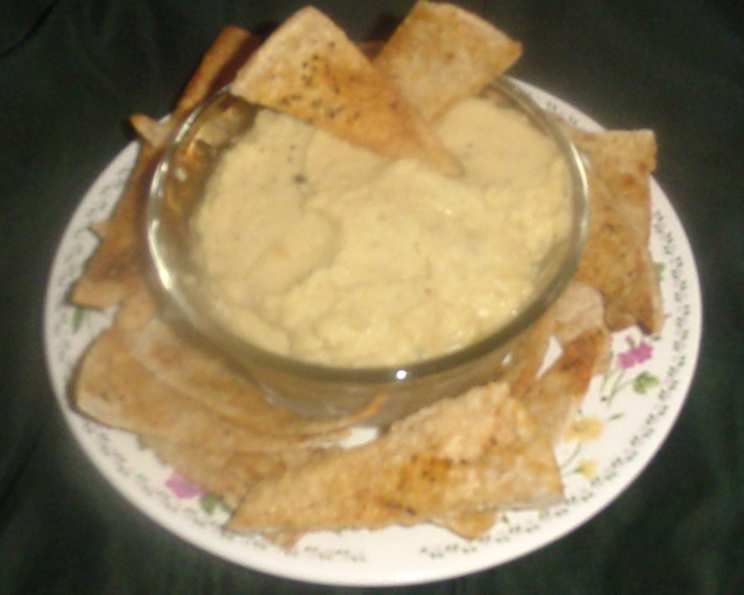
The Ultimate Homemade Hummus: A Chef’s Guide
The first time I ever tasted truly exceptional hummus, I was in a tiny village nestled in the Galilee region of Israel. It wasn’t just the quality of the ingredients, though the freshly harvested chickpeas and nutty sesame seeds certainly played their part. It was the atmosphere – the warm sun on my face, the lively chatter of the locals, and the unmistakable sense that this was a food deeply rooted in history and tradition. The creamy, flavorful hummus, scooped up with warm pita bread, was more than just a snack; it was an experience, one that sparked a lifelong love affair with this simple yet profoundly satisfying dish. Now, I’m thrilled to share my version, crafted from scratch, with you.
Recipe Overview
- Prep Time: 3 hours (includes bean soaking)
- Cook Time: 1 hour
- Total Time: 4 hours
- Servings: 8
- Yield: About 4 cups
- Dietary Type: Vegan, Gluten-Free, Dairy-Free
Ingredients
For the Beans:
- 8 ounces dried garbanzo beans (chickpeas)
- 3 garlic cloves, smashed
- 2 bay leaves
For the Tahini:
- 5 ounces roasted sesame seeds
- 1 tablespoon sesame oil
For the Hummus:
- ½ cup extra virgin olive oil, plus more for drizzling
- 3 garlic cloves, minced
- Salt and pepper to taste
Equipment Needed
- Large pot
- Food processor
- Measuring cups and spoons
Instructions
- Prepare the Chickpeas: Begin by rinsing the dried garbanzo beans thoroughly. Pick through them to remove any debris or shriveled beans.
- Initial Soak: Place the rinsed beans in a large pot and cover them with at least 2 inches of water. If you live in an area with hard water, adding a pinch of baking soda can help soften the beans.
- Boil and Soak: Bring the water to a boil for 2 minutes. Then, turn off the heat and let the beans sit in the hot water until they have cooled to room temperature. This usually takes about 2 hours. This long soak is crucial for achieving that perfectly creamy hummus texture.
- Drain and Rinse: After the soaking period, drain the beans and rinse them well under cold water. This helps remove any remaining impurities.
- Second Boil: Rinse out the pot to remove any lingering residue. Return the drained and rinsed beans to the pot, and again cover them with fresh water. Add the smashed garlic cloves and bay leaves. These aromatics will infuse the beans with a subtle but important layer of flavor.
- Simmer: Bring the water to a boil, then reduce the heat to a simmer. Cook the beans until they are very tender, about 45 minutes to 1 hour. They should be easily mashed with a fork. The longer they simmer, the creamier your hummus will be.
- Drain and Cool: Once the beans are tender, drain them thoroughly and let them cool slightly before proceeding. Reserve some of the cooking liquid – you might need it to adjust the consistency of the hummus later.
- Make the Tahini: While the beans are cooling, prepare the tahini. In a food processor, combine the roasted sesame seeds and sesame oil.
- Grind into Paste: Grind the mixture until it forms a smooth paste. If the mixture seems too dry, add a little of the olive oil to help it come together. The tahini should be thick and creamy, not gritty.
- Combine Ingredients: To make the hummus, add the minced garlic cloves to the food processor. Pulse until they are finely chopped.
- Add Chickpeas: Add the cooled cooked beans to the food processor.
- Blend: Turn on the processor and slowly drizzle in the extra virgin olive oil. Allow the processor to run until the mixture reaches your desired consistency. You may need to scrape down the sides of the bowl occasionally to ensure everything is evenly incorporated.
- Season: Add salt and pepper to taste. Pulse the processor until the seasonings are well mixed.
- Adjust Consistency: If the hummus is too thick, add a little of the reserved bean cooking liquid or more olive oil until it reaches the perfect creamy texture.
- Serve: Transfer to a bowl, drizzle generously with extra virgin olive oil, and serve!
Expert Tips & Tricks
- For an extra smooth hummus, peel the skins off the chickpeas after cooking. It’s a bit time-consuming, but the result is worth it!
- Don’t be afraid to experiment with different types of olive oil. A robust, peppery olive oil can add a wonderful depth of flavor.
- If you’re short on time, you can use canned chickpeas, but the flavor and texture won’t be quite as good as using dried beans. Be sure to rinse them thoroughly to remove any excess sodium.
- To boost the flavor, try adding a squeeze of lemon juice to the hummus just before serving.
- For a smoky flavor, roast the garlic cloves before adding them to the hummus. Wrap them in foil with a little olive oil and roast at 400°F (200°C) for about 30 minutes, or until soft and fragrant.
Serving & Storage Suggestions
Hummus is incredibly versatile. Serve it as a dip with pita bread, vegetables, or crackers. It’s also delicious spread on sandwiches or wraps, or as a base for grain bowls.
Store leftover hummus in an airtight container in the refrigerator for up to 5 days. If you see a layer of oil on top, simply stir it back in before serving.
Hummus can also be frozen for longer storage. Thaw it in the refrigerator overnight before serving. The texture may change slightly after freezing, but it will still be delicious.
Nutritional Information
| Nutrient | Amount per Serving | % Daily Value |
|---|---|---|
| Calories | 341 kcal | N/A |
| Calories from Fat | 228 kcal | N/A |
| Total Fat | 25.4 g | 39% |
| Saturated Fat | 3.5 g | 17% |
| Cholesterol | 0 mg | 0% |
| Sodium | 9.4 mg | 0% |
| Total Carbohydrate | 22.5 g | 7% |
| Dietary Fiber | 7.5 g | 29% |
| Sugars | 3.1 g | N/A |
| Protein | 8.6 g | 17% |
Variations & Substitutions
- Spicy Hummus: Add a pinch of cayenne pepper or a chopped jalapeño to the food processor for a kick of heat.
- Roasted Red Pepper Hummus: Roast a red bell pepper until the skin is blackened. Peel, seed, and chop the pepper, then add it to the food processor along with the other ingredients.
- Sun-Dried Tomato Hummus: Add a handful of oil-packed sun-dried tomatoes to the food processor for a tangy, Mediterranean-inspired flavor.
- Herb Hummus: Add a handful of fresh herbs, such as parsley, cilantro, or dill, to the food processor for a fresh, vibrant flavor.
- White Bean Hummus: Substitute cannellini beans for the chickpeas for a slightly different flavor profile.
FAQs (Frequently Asked Questions)
Q: Why do I need to soak the chickpeas for so long?
A: Soaking helps to soften the chickpeas, which results in a smoother and creamier hummus. It also reduces the cooking time.
Q: Can I use canned chickpeas instead of dried?
A: Yes, you can, but the flavor and texture will be slightly different. Be sure to rinse them thoroughly to remove excess sodium.
Q: How can I make my hummus even creamier?
A: Peel the skins off the chickpeas after cooking, and add a tablespoon or two of ice water to the food processor while blending.
Q: What if my tahini is too thick?
A: Add a little olive oil or water, one tablespoon at a time, until it reaches the desired consistency.
Q: How long does homemade hummus last?
A: Homemade hummus will last for up to 5 days in the refrigerator, stored in an airtight container.
Final Thoughts
Hummus is more than just a dip; it’s a celebration of simple, wholesome ingredients transformed into something truly special. Making it from scratch might seem daunting, but it’s a rewarding experience that allows you to control every aspect of the flavor and texture. So, gather your ingredients, put on some music, and get ready to create a batch of hummus that will impress your friends and family. Don’t be afraid to experiment with different flavors and variations, and most importantly, have fun! Enjoy your homemade hummus with warm pita bread, fresh vegetables, or as a delicious and healthy addition to any meal. I’m confident that once you taste the difference, you’ll never go back to store-bought again!