
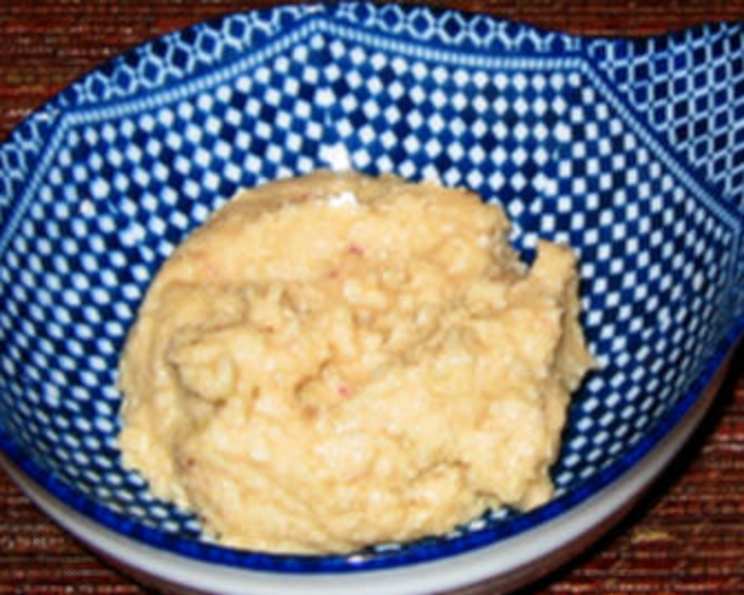
The Perfect Hummus: From Scratch with Homemade Tahini
The scent of warm pita bread and the creamy, tangy flavor of hummus… it instantly transports me back to summers in the Mediterranean. I remember sitting at sun-drenched tavernas, dipping into a communal bowl with friends, the air filled with laughter and the murmur of lively conversations. It wasn’t just a snack; it was an experience, a shared moment of pure culinary joy. Now, I’ve taken that memory and infused it into my own homemade hummus, where the secret ingredient is not just love, but also homemade tahini. The difference it makes is truly remarkable.
Recipe Overview
- Prep Time: 10 minutes
- Cook Time: 0 minutes
- Total Time: 10 minutes (plus 1 hour refrigeration)
- Servings: 8
- Yield: About 2 cups
- Dietary Type: Vegan, Gluten-Free
Ingredients
For the Tahini:
- 3 tablespoons sesame seeds
- 2 tablespoons water
- 1 teaspoon lemon juice
- 1/2 teaspoon oil (vegetable, olive, or sesame oil work well)
For the Hummus Dip:
- 3 tablespoons lemon juice
- 2 tablespoons chopped onions (yellow or white)
- 1-2 garlic cloves, sliced (adjust to your preference)
- 1 (15 ounce) can garbanzo beans, drained and rinsed (reserve the aquafaba for other uses!)
Equipment Needed
- Food processor
- Measuring spoons
- Measuring cups
- Knife
- Cutting board
Instructions
- Prepare the Tahini: In the food processor, combine the sesame seeds, water, lemon juice, and oil.
- Blend Tahini: Process the ingredients until the mixture is completely smooth. This may take a minute or two, and you might need to scrape down the sides of the food processor occasionally to ensure everything is fully incorporated. The goal is a creamy, paste-like consistency.
- Add Dip Ingredients: To the same food processor (no need to clean it!), add the lemon juice, chopped onions, sliced garlic, and drained and rinsed garbanzo beans.
- Blend Hummus: Blend all the ingredients together until completely smooth and creamy. Again, scraping down the sides may be necessary to achieve the desired consistency. If the hummus appears too thick, add a tablespoon or two of water until it reaches your preferred texture.
- Refrigerate: Transfer the hummus to a container, cover, and refrigerate for at least 1 hour to allow the flavors to meld and intensify. This step is crucial for the best-tasting hummus.
- Serve: Serve chilled with warm pita bread or your favorite tortilla chips. Garnish with a drizzle of olive oil, a sprinkle of paprika, or a few fresh parsley leaves for an elegant presentation.
Expert Tips & Tricks
- Toast the Sesame Seeds: For an even richer, nuttier flavor, lightly toast the sesame seeds in a dry skillet over medium heat for a few minutes before blending them into tahini. Watch them closely, as they burn easily!
- Aquafaba Magic: Don’t discard the liquid from the canned chickpeas (aquafaba)! It’s a fantastic vegan egg replacement and can be used in meringues, mousses, and even to add extra creaminess to your hummus.
- Ice Water Secret: For an incredibly smooth and fluffy hummus, add a few ice cubes to the food processor while blending. The cold water helps to emulsify the ingredients and prevent the tahini from seizing up.
- Garlic Intensity: The intensity of the garlic flavor increases over time. Start with one clove and taste after refrigerating. Add the second clove if desired.
- Lemon Juice Adjustment: The amount of lemon juice can be adjusted according to your personal preference. Start with the recommended amount and add more to taste, if you prefer a tangier hummus.
- Make-Ahead Marvel: Hummus is a great make-ahead dish. Prepare it up to 3 days in advance and store it in an airtight container in the refrigerator.
Serving & Storage Suggestions
Serve your homemade hummus chilled or at room temperature, accompanied by warm pita bread, sliced vegetables (such as cucumbers, carrots, and bell peppers), or tortilla chips. A drizzle of extra virgin olive oil, a sprinkle of paprika, and a scattering of fresh herbs like parsley or cilantro elevate the presentation.
Store leftover hummus in an airtight container in the refrigerator for up to 3-5 days. While hummus can be frozen, the texture may change slightly upon thawing, becoming a bit grainier. If freezing, store in a freezer-safe container for up to 2 months. Thaw in the refrigerator overnight before serving.
Nutritional Information
| Nutrient | Amount per Serving | % Daily Value |
|---|---|---|
| Calories | 88.3 kcal | N/A |
| Calories from Fat | N/A | 26% |
| Total Fat | 2.6 g | 3% |
| Saturated Fat | 0.3 g | 1% |
| Cholesterol | 0 mg | 0% |
| Sodium | 159.6 mg | 6% |
| Total Carbohydrate | 13.7 g | 4% |
| Dietary Fiber | 2.8 g | 11% |
| Sugars | 0.3 g | 1% |
| Protein | 3.3 g | 6% |
Note: Nutritional information is an estimate and may vary based on specific ingredients and portion sizes.
Variations & Substitutions
- Spicy Hummus: Add a pinch of cayenne pepper or a drizzle of hot sauce to the hummus while blending for a spicy kick.
- Roasted Red Pepper Hummus: Roast a red bell pepper until the skin is blackened, then peel and seed it. Add the roasted pepper to the hummus while blending for a smoky, sweet flavor.
- Sun-Dried Tomato Hummus: Add a handful of oil-packed sun-dried tomatoes to the hummus while blending for a tangy, savory twist.
- Beet Hummus: Add cooked beets for a vibrant purple color and earthy sweetness.
- Herbaceous Hummus: Blend in fresh herbs like cilantro, parsley, or dill for a burst of freshness.
- Nut-Free Tahini: If you have a sesame allergy, try using sunflower seeds in place of sesame seeds to make sunbutter, a tahini alternative.
FAQs (Frequently Asked Questions)
Q: Why make tahini from scratch when I can buy it?
A: Homemade tahini tastes fresher and allows you to control the ingredients and consistency. It’s also a great way to avoid additives found in some store-bought versions.
Q: Can I use dried chickpeas instead of canned?
A: Yes, but you’ll need to soak the dried chickpeas overnight and then cook them until tender before using them in the recipe. This will add significantly to the preparation time.
Q: How do I make the hummus smoother?
A: Remove the outer skins from the chickpeas after they are cooked, and before blending. Although time consuming, it will result in a smoother consistency. Additionally, try adding a tablespoon or two of ice water while blending.
Q: Can I use olive oil in the tahini?
A: While you can, vegetable or sesame oil will give you a more neutral flavor that allows the sesame seeds to shine. Olive oil can sometimes be overpowering in tahini.
Q: What is the best way to store leftover hummus?
A: Store leftover hummus in an airtight container in the refrigerator for up to 5 days. To prevent it from drying out, drizzle a thin layer of olive oil over the top before sealing the container.
Final Thoughts
So, ditch the store-bought hummus and embark on this culinary adventure. The homemade tahini truly elevates this classic dip, creating a flavor explosion that will impress your friends and family. Don’t be afraid to experiment with different variations and substitutions to create your own signature hummus. And please, share your creations and feedback – I’m always eager to hear about your culinary triumphs! This hummus is delicious with falafel, or as part of a mezze platter, or even spread on a sandwich.