
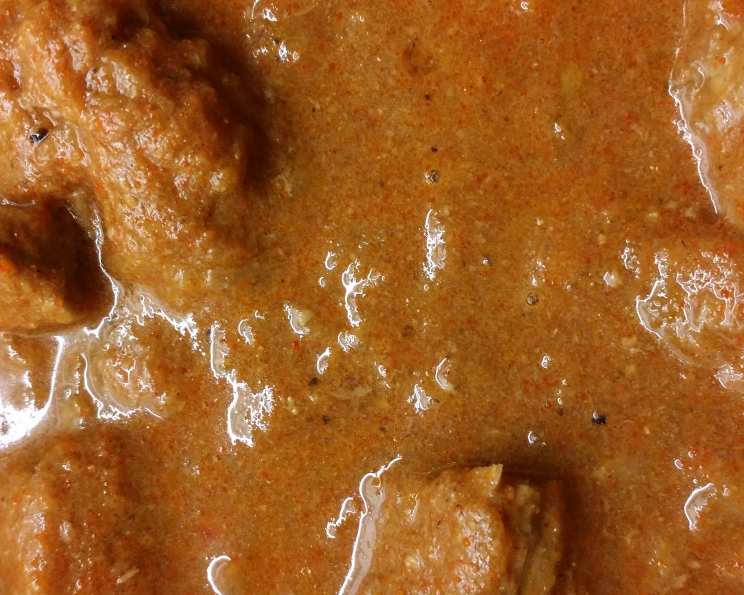
Hearty Hungarian Veal Stew (Pörkölt): A Culinary Journey
The aroma alone transports me back to my grandmother’s bustling kitchen. I remember standing on a rickety stool, watching her stir a bubbling pot of something incredibly fragrant. The rich, paprika-infused steam would fill the air, promising a comforting and deeply satisfying meal. It was her famous pörkölt, a humble yet incredibly flavorful Hungarian stew, and every bite felt like a warm hug.
Recipe Overview
- Prep Time: 15 minutes
- Cook Time: 1 hour
- Total Time: 1 hour 15 minutes
- Servings: 4-6
- Dietary Type: Dairy-Free
Ingredients
- 2 lbs lean veal, cut into cubes
- 1 tablespoon paprika
- ½ cup water
- 2 tablespoons lard
- 2 onions, finely chopped
- 1 tomato, crushed (or 1/2 cup canned crushed tomatoes)
- ½ teaspoon salt
- ¼ teaspoon black pepper
Equipment Needed
- Large Saucepan or Dutch Oven
Instructions
-
Begin by preparing the veal. Cut the lean veal into roughly 1-inch cubes. This size allows for even cooking and ensures the meat remains tender and juicy throughout the stewing process.
-
Heat the lard in a large saucepan or Dutch oven over medium heat. The lard adds a distinct richness and flavor that is traditional in Hungarian cooking. If you prefer, you can substitute with vegetable oil or olive oil, although the flavor will be slightly different.
-
Add the finely chopped onions to the hot lard and sauté them until they are softened and have developed a beautiful golden-brown color. This step is crucial for building the foundational flavor of the pörkölt. Aim for a deep, even color, which usually takes about 8-10 minutes. Watch them carefully to avoid burning.
-
Remove the saucepan from the heat temporarily. This step is important to prevent the paprika from burning, which can result in a bitter flavor.
-
Stir in the paprika thoroughly until it coats the onions evenly. Ensure all the paprika is well incorporated. Work quickly to prevent burning from the residual heat.
-
Add the cubed veal and crushed tomato (or canned crushed tomatoes) to the saucepan. Mix well to coat the veal with the paprika and tomato mixture.
-
Return the saucepan to medium heat and quickly brown the veal on all sides, stirring frequently. This step helps to seal in the juices and adds a deeper, more complex flavor to the stew. Be careful not to overcrowd the pan, as this can lower the temperature and cause the veal to steam instead of brown. If necessary, brown the veal in batches.
-
Mix in the water, salt, and black pepper. Stir to combine all ingredients.
-
Cover the saucepan and reduce the heat to low. Simmer gently until the veal is very tender, stirring occasionally to prevent sticking. This typically takes about 1 hour, but the exact time may vary depending on the quality and size of the veal cubes. The veal should be easily pierced with a fork when it’s done. If the stew becomes too dry during cooking, add a little more water.
-
Once the meat is tender, remove the lid and continue to simmer, stirring, until the sauce has thickened to your desired consistency, about 5 to 10 minutes.
-
Taste and adjust the seasoning as needed. Add more salt and pepper to taste.
Expert Tips & Tricks
- Paprika Quality: Use high-quality Hungarian paprika for the best flavor. There are different types of paprika, from sweet to hot. Experiment to find your favorite. Smoked paprika can also add a delightful twist.
- Browning is Key: Don’t skip the step of browning the veal. This is essential for developing the rich flavor of the pörkölt.
- Slow and Low: Simmering the stew slowly over low heat is crucial for tenderizing the veal and allowing the flavors to meld together.
- Deglazing: If you find that there are browned bits stuck to the bottom of the pan after browning the veal, you can deglaze the pan with a splash of red wine or beef broth before adding the water. This will add even more depth of flavor to the stew.
Serving & Storage Suggestions
Serve the Hungarian Veal Stew hot, garnished with a dollop of sour cream (optional) and a sprinkle of fresh parsley. Traditional accompaniments include egg noodles (csipetke), rice, dumplings, or mashed potatoes. It also pairs well with a side of pickled vegetables or a simple cucumber salad.
Leftovers can be stored in an airtight container in the refrigerator for up to 3 days. To reheat, gently warm the stew on the stovetop over low heat, or in the microwave. Add a little water or broth if it seems too dry.
For longer storage, the pörkölt can be frozen for up to 2 months. Thaw it overnight in the refrigerator before reheating.
Nutritional Information
| Nutrient | Amount per Serving | % Daily Value |
|---|---|---|
| Calories | 380 kcal | 19% |
| Total Fat | 25g | 38% |
| Saturated Fat | 10g | 50% |
| Cholesterol | 200mg | 67% |
| Sodium | 500mg | 21% |
| Total Carbohydrate | 8g | 3% |
| Dietary Fiber | 2g | 8% |
| Sugars | 4g | – |
| Protein | 40g | 80% |
Note: Nutritional information is an estimate and may vary based on specific ingredients and portion sizes.
Variations & Substitutions
- Spicy Pörkölt: Add a pinch of cayenne pepper or a chopped jalapeño pepper to the stew for a bit of heat. You can also use hot paprika.
- Vegetarian Pörkölt: Substitute the veal with mushrooms or seitan for a vegetarian version.
- Beef Pörkölt: If you can’t find veal, you can use beef chuck roast as a substitute. The cooking time may need to be increased slightly to ensure the beef is tender.
- Chicken Pörkölt: You can also make this with chicken thighs. Reduce the cooking time to about 45 minutes.
FAQs (Frequently Asked Questions)
Q: Can I use a slow cooker to make this dish?
A: Yes, you can. Brown the meat and sauté the onions as directed, then transfer everything to a slow cooker. Cook on low for 6-8 hours or on high for 3-4 hours, or until the meat is very tender.
Q: What is lard, and can I substitute it?
A: Lard is rendered pork fat, and it adds a rich flavor. You can substitute it with vegetable oil, olive oil, or butter, but the flavor will be slightly different.
Q: How can I thicken the stew if it’s too thin?
A: You can thicken the stew by simmering it uncovered for a few minutes longer, allowing the sauce to reduce. Alternatively, you can mix a teaspoon of cornstarch with a tablespoon of cold water and stir it into the stew.
Q: Can I make this dish ahead of time?
A: Yes, pörkölt is a great make-ahead dish. In fact, the flavors often improve after a day or two in the refrigerator.
Q: What type of onions work best in this recipe?
A: Yellow or white onions are traditionally used in pörkölt. They provide a good balance of sweetness and flavor.
Final Thoughts
This Hungarian Veal Stew is more than just a recipe; it’s a taste of history, a connection to family, and a celebration of simple, wholesome ingredients. I encourage you to try this recipe and experience the warmth and comfort of authentic Hungarian cuisine. Don’t be afraid to experiment with variations and make it your own. Share your culinary creations and experiences with others and let the joy of cooking bring us together. Jó étvágyat! (Bon appétit!)