
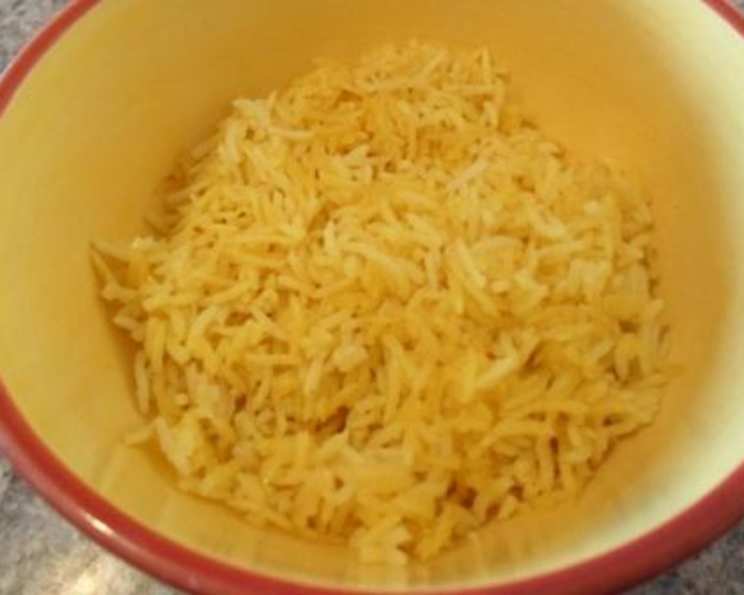
Aromatic Indian Pilau Rice: A Culinary Journey
The first time I encountered pilau rice wasn’t in a restaurant, but in my Auntie Padma’s kitchen. I remember being mesmerized by the fragrant steam rising from the pot, carrying the warm scents of cardamom and ghee. It wasn’t just rice; it was an experience – a symphony of subtle flavors that elevated a simple grain into something truly special. Auntie Padma always served it alongside her spicy lamb curry, and the pilau’s delicate fragrance and fluffy texture provided the perfect counterpoint to the richness of the meat. Every grain was separate and distinct, infused with aromatic spices, a testament to her skill and patience. This recipe takes me right back to her warm kitchen.
Recipe Overview
- Prep Time: 35 minutes
- Cook Time: 20 minutes
- Total Time: 55 minutes
- Servings: 4
- Dietary Type: Vegetarian, Gluten-Free
Ingredients
- 200 g basmati rice (7 oz)
- 2 tablespoons ghee
- 4 cardamom pods
- 2 whole cloves
- 3 black peppercorns
- 1⁄2 teaspoon salt
- 1⁄2 teaspoon saffron threads
- 400 ml water (14 fl oz)
Equipment Needed
- Large bowl
- Fine-mesh sieve
- Large, heavy-based saucepan with a tight-fitting lid
Instructions
-
Begin by preparing the basmati rice. Place the rice in a large bowl and rinse it thoroughly under cold running water. Repeat this process several times, until the water runs clear. This is essential to remove excess starch and ensure fluffy, separate grains in the final dish.
-
Once rinsed, leave the rice to soak in fresh water for 30 minutes. This step allows the rice grains to hydrate evenly, contributing to a more tender and consistent texture.
-
After soaking, drain the rice using a fine-mesh sieve and set it aside until ready to cook. Ensure as much water as possible is removed.
-
Now, prepare the aromatics. Place a large, heavy-based saucepan over medium heat. Add the ghee and allow it to melt completely.
-
Once the ghee is melted and shimmering, add the cardamom pods, whole cloves, and black peppercorns. Fry, stirring continuously, for approximately one minute, or until the spices release their fragrant aroma. Be careful not to burn them.
-
Add the drained rice to the saucepan with the spices. Stir-fry the rice for a further 2 minutes, ensuring that each grain is coated in the ghee and infused with the spice flavors. This step helps to prevent the rice from sticking together during cooking.
-
Add the salt, saffron threads, and water to the rice mixture. Gently stir to combine all the ingredients evenly.
-
Bring the mixture to a gentle simmer, then reduce the heat to the lowest setting. It is crucial to maintain a very low heat to allow the rice to cook evenly without burning.
-
Cover the saucepan tightly with a lid. It’s important that the lid fits snugly to trap the steam and ensure even cooking.
-
Allow the rice to simmer gently over low heat for 20 minutes, or until all the water has evaporated. Do not lift the lid during this time, as it will release the steam and affect the cooking process.
-
After 20 minutes, carefully check the rice. It should be tender and fluffy, with no remaining water at the bottom of the pan. If there is still some water, cover and cook for a few more minutes.
-
Once cooked, remove the saucepan from the heat and let the rice rest, covered, for 5 minutes. This allows the steam to redistribute, resulting in even more fluffy and separated grains.
-
Finally, gently fluff the rice with a fork to separate the grains and transfer it to a large, warmed serving dish. Serve hot and enjoy!
Expert Tips & Tricks
- Rice Quality: Use high-quality basmati rice for the best results. Aged basmati rice tends to cook more evenly and have a better texture.
- Ghee Alternatives: While ghee provides the most authentic flavor, you can substitute it with butter or a neutral vegetable oil if needed.
- Saffron Infusion: For a more intense saffron color and flavor, soak the saffron threads in a tablespoon of warm milk or water for about 30 minutes before adding them to the rice.
- Preventing Sticking: Make sure to rinse the rice thoroughly and use a heavy-bottomed saucepan to prevent sticking and burning.
- Perfecting the Texture: Achieving the perfect texture is all about the water-to-rice ratio and cooking time. Stick to the specified measurements for consistent results.
Serving & Storage Suggestions
Serve the Indian pilau rice hot as an accompaniment to your favorite Indian curries, tandoori dishes, or grilled meats. It also pairs well with raita and other Indian side dishes.
Leftover pilau rice can be stored in an airtight container in the refrigerator for up to 3 days. To reheat, sprinkle a little water over the rice and microwave it for a few minutes, or steam it in a saucepan until heated through. The rice can also be frozen for up to 2 months. Thaw it overnight in the refrigerator before reheating.
Nutritional Information
| Nutrient | Amount per Serving | % Daily Value |
|---|---|---|
| Calories | 310 kcal | 16% |
| Total Fat | 8g | 12% |
| Saturated Fat | 5g | 25% |
| Cholesterol | 20mg | 7% |
| Sodium | 300mg | 13% |
| Total Carbohydrate | 55g | 18% |
| Dietary Fiber | 2g | 8% |
| Sugars | 0.5g | 1% |
| Protein | 5g | 10% |
Variations & Substitutions
- Vegetable Pilau: Add diced vegetables such as carrots, peas, and green beans to the rice during the stir-frying stage for a more substantial dish.
- Nutty Pilau: Garnish the cooked rice with toasted almonds, cashews, or pistachios for added flavor and texture.
- Coconut Pilau: Substitute half of the water with coconut milk for a creamy and flavorful twist.
- Spiced Pilau: Add other spices such as cumin, coriander, or turmeric to customize the flavor profile.
- Herbed Pilau: Incorporate fresh herbs like cilantro, mint, or parsley for a vibrant and aromatic dish.
FAQs (Frequently Asked Questions)
Q: Why is it important to rinse the rice before cooking?
A: Rinsing removes excess starch from the rice, which prevents it from becoming sticky and ensures fluffy, separate grains.
Q: Can I use regular rice instead of basmati rice?
A: While you can use other types of rice, basmati rice is recommended for its delicate flavor and fluffy texture, which are characteristic of pilau.
Q: How do I prevent the rice from sticking to the bottom of the pan?
A: Using a heavy-bottomed saucepan and maintaining a low heat during cooking can help prevent sticking. Also, avoid lifting the lid frequently, as it releases steam.
Q: What if the water evaporates before the rice is fully cooked?
A: If the water evaporates too quickly, add a little more hot water, about ¼ cup at a time, and continue to simmer over low heat until the rice is tender.
Q: Can I make this recipe ahead of time?
A: Yes, you can cook the rice ahead of time and store it in the refrigerator for up to 3 days. Reheat it gently with a little water before serving.
Final Thoughts
I truly hope you’ll try your hand at this Indian pilau rice recipe. It’s more than just a side dish; it’s an invitation to experience the subtle magic of Indian cuisine. Feel free to experiment with different spices and variations to create your own signature pilau. And if you do, please share your creations – I’d love to hear how it turns out! Pair it with a spicy lentil curry or a fragrant chicken tikka masala for a complete and satisfying meal. Enjoy the journey!