
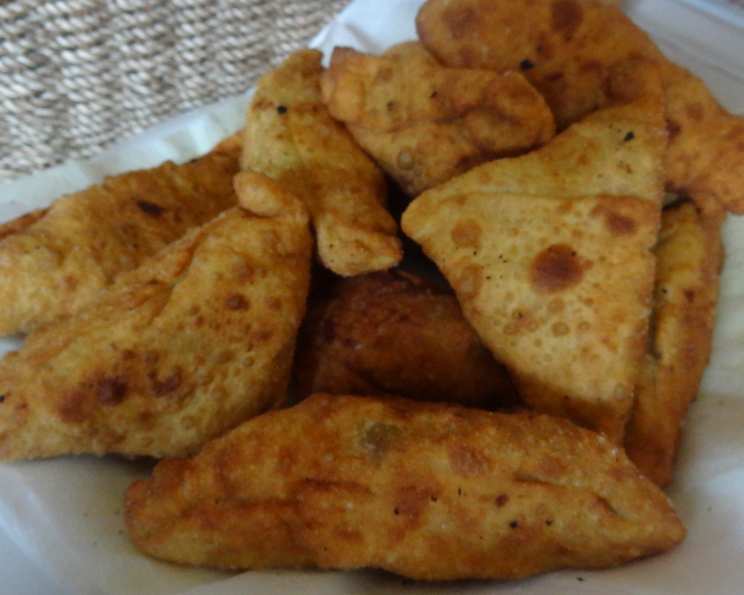
Mastering the Art of the Samosa: A Culinary Journey to India
The first time I tasted a truly exceptional samosa, I was lost in the vibrant chaos of a Mumbai street market. The air was thick with the scent of spices, exhaust fumes, and a thousand untold stories. A street vendor, his hands stained yellow from turmeric, pressed a piping hot, golden-brown triangle into my palm. The crispy, flaky crust gave way to a burst of savory, spiced potatoes, and from that moment, I was hooked. It wasn’t just the taste, but the entire experience – the energy of the city, the warmth of the vendor’s smile, the simple perfection of that humble pastry – that etched the samosa into my culinary memory.
Recipe Overview
- Prep Time: 45 minutes
- Cook Time: 30 minutes
- Total Time: 1 hour 15 minutes
- Servings: 10 samosas
- Yield: 10 samosas
- Dietary Type: Vegetarian (easily made vegan)
Ingredients
For the Pastry:
- 1 cup all-purpose flour
- 2 tablespoons vegetable oil
- Salt to taste
- Water as needed
For the Filling:
- 2 large potatoes (boiled)
- 1 onion, chopped
- 2 green chilies, very finely chopped
- 3 tablespoons oil
- 1/2 teaspoon ginger, grated
- 1/2 teaspoon garlic, crushed
- Coriander seeds
- 1 tablespoon cilantro, finely chopped
- 1/2 lemon, juice of
- 1/2 teaspoon turmeric
- 1/2 teaspoon garam masala
- 1/2 teaspoon red chili powder
- Salt to taste
Equipment Needed
- Large mixing bowl
- Rolling pin
- Deep frying pan or wok
- Slotted spoon
- Paper towels
Instructions
-
Prepare the Dough: In a large mixing bowl, combine the all-purpose flour, vegetable oil, and salt.
-
Add Water Gradually: Slowly add a little water at a time to the flour mixture. Initially, it will appear crumbly.
-
Knead the Dough: Continue adding water, kneading the mixture until it forms a soft, pliable dough. The dough should be smooth and elastic.
-
Rest the Dough: Cover the dough with a moist cloth and set aside to rest for at least 20 minutes. This allows the gluten to relax, resulting in a more tender crust.
-
Knead Again: After resting, beat the dough on a work surface and knead it again briefly. This helps to further develop the gluten and ensure a smooth texture.
-
Rest Again: Cover the dough again and set aside.
-
Prepare the Filling: Heat 3 tablespoons of oil in a pan.
-
Sauté Aromatics: Add the grated ginger, crushed garlic, green chilies, and a few coriander seeds to the hot oil.
-
Stir-Fry: Stir-fry the aromatics for about 1 minute, until fragrant. Be careful not to burn them.
-
Add Onions: Add the chopped onion to the pan and sauté until they are light brown and softened.
-
Incorporate Spices and Herbs: Add the chopped cilantro (fresh coriander), lemon juice, turmeric, red chili powder, salt, and garam masala to the pan.
-
Stir-Fry Spice Mixture: Stir-fry the spice mixture for about 2 minutes, allowing the flavors to meld together.
-
Add Potatoes: Add the boiled and mashed potatoes to the pan.
-
Combine Filling: Stir-fry the potatoes with the spice mixture for about 2 minutes, ensuring that the potatoes are well coated with the spices.
-
Cool the Filling: Set the filling aside and allow it to cool completely before assembling the samosas. This is crucial to prevent the dough from becoming soggy.
-
Divide the Dough: Divide the rested dough into 10 equal portions.
-
Roll the Dough: Using a rolling pin, roll each portion of dough into a 5-inch oval shape.
-
Cut in Half: Cut each oval in half along its length, creating two semi-circles.
-
Moisten the Edge: Run a moist finger along the straight edge (diameter) of one of the semi-circles. This will act as a glue to seal the cone.
-
Form the Cone: Roll the semi-circle around your finger to form a cone shape, pressing the moistened edge to seal it. Make sure the cone is tightly sealed to prevent the filling from leaking out during frying.
-
Fill the Cone: Place approximately one tablespoon of the cooled filling into the cone. Do not overfill, as this can make the samosa difficult to seal.
-
Seal the Samosa: Seal the third side (the open end) of the cone using a moist finger. Press firmly to ensure a complete seal.
-
Deep Fry: Heat oil in a deep frying pan or wok over low to medium heat. The oil should be hot enough to cook the samosas evenly but not so hot that they burn. A good starting point is around 325°F (160°C).
-
Fry Samosas: Carefully place the samosas into the hot oil. Fry them on low to medium heat until they are golden brown and crispy on all sides. This typically takes about 6-8 minutes per side.
-
Remove and Drain: Use a slotted spoon to remove the fried samosas from the oil and place them on paper towels to drain excess oil.
-
Serve: Serve the hot samosas with your favorite dipping sauce, such as tomato sauce or chutney.
Expert Tips & Tricks
- Dough Consistency: The dough should be pliable but not sticky. If it’s too sticky, add a little more flour. If it’s too dry, add a little more water.
- Spice Level: Adjust the amount of green chilies and red chili powder to suit your preferred spice level.
- Potato Type: Use starchy potatoes, like Russets, for the best filling texture.
- Make-Ahead Tip: The filling can be made a day in advance and stored in the refrigerator.
- Freezing Tip: Assembled, un-fried samosas can be frozen for later use. Freeze them on a baking sheet, then transfer to a freezer bag. Fry directly from frozen, adding a few minutes to the cooking time.
- Even Cooking: Fry the samosas in batches to avoid overcrowding the pan, which can lower the oil temperature and result in soggy samosas.
Serving & Storage Suggestions
Serve samosas hot, ideally within an hour of frying, to enjoy their crispy texture. They are delicious with a variety of chutneys, such as mint-coriander, tamarind, or mango chutney. Tomato ketchup is also a popular choice.
Leftover samosas can be stored in an airtight container in the refrigerator for up to 3 days. To reheat, bake them in a preheated oven at 350°F (175°C) for about 10-15 minutes, or until heated through and crispy. You can also reheat them in an air fryer for a similar effect. Microwaving is not recommended as it will make them soggy.
Nutritional Information
| Nutrient | Amount per Serving | % Daily Value |
|---|---|---|
| Calories | 215 kcal | 11% |
| Total Fat | 12g | 18% |
| Saturated Fat | 2g | 10% |
| Cholesterol | 0mg | 0% |
| Sodium | 10mg | 0% |
| Total Carbohydrate | 25g | 8% |
| Dietary Fiber | 3g | 12% |
| Sugars | 2g | – |
| Protein | 4g | 8% |
Note: Nutritional information is an estimate and may vary based on specific ingredients and portion sizes.
Variations & Substitutions
- Vegan Samosas: Ensure the oil used for frying is plant-based.
- Gluten-Free Samosas: Use a gluten-free flour blend for the pastry. You may need to experiment to find a blend that yields a pliable dough.
- Different Fillings: Get creative with the filling! Try adding peas, carrots, or cauliflower. You can also use paneer (Indian cheese) or ground meat.
- Spicy Samosas: Increase the amount of green chilies or add a pinch of cayenne pepper to the filling.
- Baked Samosas: For a healthier option, bake the samosas instead of frying them. Brush them with oil and bake at 375°F (190°C) for about 20-25 minutes, or until golden brown.
- Air Fryer Samosas: Air frying is also a great way to enjoy a lighter version of samosas. Brush with oil and air fry at 375°F (190°C) for about 12-15 minutes, flipping halfway through.
FAQs (Frequently Asked Questions)
Q: Why is my samosa dough tough?
A: Over-kneading the dough can make it tough. Knead it just until it comes together and is smooth. Also, ensure you rest the dough for the recommended time to allow the gluten to relax.
Q: How do I prevent the filling from leaking out while frying?
A: Make sure to seal the edges of the samosas very well, using a moist finger to create a tight seal. Avoid overfilling the samosas.
Q: Can I use pre-made pastry dough?
A: Yes, you can use pre-made pastry dough, such as puff pastry or spring roll wrappers, as a shortcut. However, the flavor and texture will be different from homemade dough.
Q: How do I keep the samosas warm after frying?
A: Place the fried samosas in a preheated oven at a low temperature (around 200°F or 95°C) to keep them warm until serving.
Q: What kind of oil is best for frying samosas?
A: Use a neutral-flavored oil with a high smoke point, such as vegetable oil, canola oil, or sunflower oil.
Final Thoughts
Making samosas from scratch might seem a little daunting at first, but trust me, the effort is well worth it. The joy of biting into a perfectly crispy, flavorful samosa that you’ve made with your own hands is simply unmatched. So gather your ingredients, embrace the process, and prepare to be transported to the bustling streets of India with every savory bite. Don’t hesitate to experiment with different fillings and spices to create your own signature samosa recipe. And most importantly, share your creations with friends and family – because food is always better when enjoyed together.