
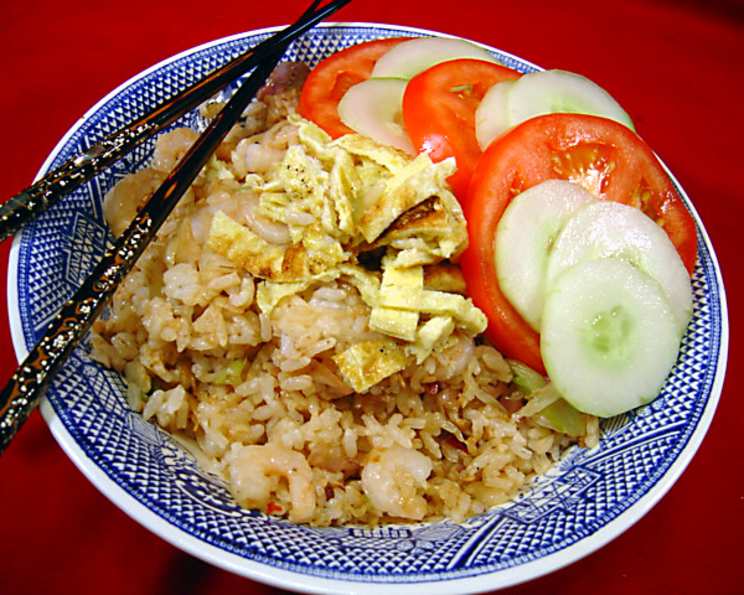
Nasi Goreng: An Indonesian Fried Rice Adventure
The first time I tasted Nasi Goreng, I was backpacking through Southeast Asia, completely lost in the chaotic beauty of Jakarta. The smoky, savory aroma wafted from a tiny street-side stall, a beacon in the bustling night market. The vendor, a kind woman with a warm smile, expertly tossed rice, vegetables, and spices in a well-worn wok, the flames licking high with each toss. That first bite was an explosion of flavor—sweet soy, spicy chili, and a hint of shrimp paste dancing on my tongue. It was more than just a meal; it was an immersion into Indonesian culture, a taste I’ve been chasing ever since.
Recipe Overview
- Prep Time: 15 minutes
- Cook Time: 10 minutes
- Total Time: 25 minutes
- Servings: 4
- Dietary Type: Varies (can be adapted to Vegetarian/Pescatarian)
Ingredients
- 4 cups cold cooked rice (day-old rice works best!)
- 2 tablespoons oil (vegetable, canola, or peanut oil)
- 1 egg, lightly beaten
- 5 shallots, peeled and sliced
- 2 cloves garlic, peeled and sliced
- 3 red chilies, sliced
- 1 teaspoon dried shrimp paste (also known as terasi or belacan)
- 1⁄2 teaspoon salt
- 1 tablespoon sweet soy sauce (kecap manis)
- Sliced cucumber (to garnish)
- Sliced tomatoes (to garnish)
- 8 ounces sliced pork or 8 ounces medium shrimp, shelled, deveined and chopped (optional)
- 1 cup shredded cabbage (optional)
Equipment Needed
- Wok or large frying pan
- Spatula
- Small bowl for egg
Instructions
-
Begin by preparing the rice. Use a fork to gently stir the cold cooked rice, separating the grains to prevent clumping during the stir-fry process. This step is crucial for achieving the desired texture in your Nasi Goreng.
-
Prepare a thin omelet. Pour a small amount of oil (from the 2 tablespoons) into the wok or frying pan. Heat the oil over medium heat. Pour in the lightly beaten egg and swirl the pan to create a thin omelet. Cook until set, about 1-2 minutes per side. Remove the omelet from the wok and set aside to cool. Once cooled, shred the omelet into thin strips.
-
Sauté the aromatics. Heat the remaining oil in the wok or frying pan over medium heat. Add the sliced shallots, garlic, chilies, and shrimp paste. Fry these aromatics until the shallots are tender and fragrant, about 2-3 minutes. The shrimp paste should begin to dissolve and release its pungent aroma. Be careful not to burn the garlic, as it can become bitter.
-
Add protein (optional). If you are adding pork or shrimp and/or shredded cabbage, add it to the wok with the sautéed aromatics. Cook until the pork is cooked through or the shrimp turns pink and opaque, usually about 3-5 minutes, depending on the size of the shrimp. If adding shredded cabbage, cook until it wilts slightly.
-
Stir-fry the rice. Increase the heat to high. Add the cooked rice, salt, and sweet soy sauce to the wok. If the mixture seems dry, add a little more oil to prevent sticking. Stir constantly, ensuring that the rice is well mixed with the other ingredients. Continue to stir-fry until the rice is heated through and slightly browned, about 3-5 minutes. The high heat is essential for achieving the characteristic smoky flavor of Nasi Goreng.
-
Garnish and serve. Transfer the Nasi Goreng to a serving dish. Garnish with the shredded egg, sliced cucumber, and sliced tomato.
-
Serve traditionally. If desired, serve your Nasi Goreng in the traditional style, with fried egg, fried chicken, satay, and shrimp crackers.
Expert Tips & Tricks
- Day-old rice is key: Using day-old rice that has had time to dry out will prevent the Nasi Goreng from becoming mushy.
- Don’t overcrowd the wok: Overcrowding the wok lowers the temperature and results in steamed rice instead of fried rice. Cook in batches if necessary.
- Adjust the spice level: If you prefer a milder flavor, reduce the number of chilies. For extra heat, add a pinch of chili flakes.
- Kecap Manis is essential: Sweet soy sauce is a key ingredient that gives Nasi Goreng its distinctive sweet and savory flavor. Don’t substitute with regular soy sauce.
- Toast your shrimp paste: For an even more intense flavor, you can toast the shrimp paste in a dry pan before adding it to the wok.
Serving & Storage Suggestions
Serve Nasi Goreng immediately while it’s hot and the flavors are at their peak. The colorful garnishes of cucumber, tomato, and shredded egg add visual appeal and a refreshing contrast to the savory rice.
Leftovers can be stored in an airtight container in the refrigerator for up to 2 days. To reheat, stir-fry in a wok or frying pan over medium heat until heated through. You can also microwave it, but the texture will be slightly softer.
Nasi Goreng is best enjoyed fresh and is generally not recommended for freezing as the rice texture can change significantly.
Nutritional Information
| Nutrient | Amount per Serving | % Daily Value |
|---|---|---|
| Calories | 450 kcal | 23% |
| Total Fat | 18g | 28% |
| Saturated Fat | 4g | 20% |
| Cholesterol | 85mg | 28% |
| Sodium | 650mg | 27% |
| Total Carbohydrate | 65g | 22% |
| Dietary Fiber | 2g | 8% |
| Sugars | 5g | – |
| Protein | 18g | 36% |
Note: Nutritional information is an estimate and can vary based on specific ingredients and portion sizes.
Variations & Substitutions
- Vegetarian Nasi Goreng: Omit the pork or shrimp and add extra vegetables like carrots, peas, or bell peppers. You can also use tofu or tempeh for added protein.
- Seafood Nasi Goreng: Instead of pork, use a mix of seafood like shrimp, squid, and fish.
- Spicy Nasi Goreng: Add more chilies or a dash of sambal oelek for an extra kick.
- Nasi Goreng Jawa: This variation uses a sambal ulek (chili paste) base for a spicier, more complex flavor.
- Gluten-Free Nasi Goreng: Ensure your sweet soy sauce is gluten-free. Many brands offer gluten-free versions.
- Nasi Goreng with Chicken: Substitute the pork or shrimp with diced chicken thigh.
FAQs (Frequently Asked Questions)
Q: Can I use regular soy sauce instead of sweet soy sauce?
A: No, sweet soy sauce (kecap manis) is essential for the characteristic flavor of Nasi Goreng. Regular soy sauce will not provide the same sweetness and richness.
Q: What if I don’t have shrimp paste?
A: Shrimp paste adds a unique umami flavor, but if you can’t find it, you can try using a small amount of fish sauce or omit it altogether. The flavor will be slightly different, but still delicious.
Q: Can I make Nasi Goreng ahead of time?
A: While it’s best served fresh, you can prepare the individual components ahead of time. Cook the rice, chop the vegetables, and cook the meat separately. Then, when you’re ready to eat, stir-fry everything together.
Q: What kind of rice is best for Nasi Goreng?
A: Long-grain rice, like jasmine or basmati, is ideal because it stays separate and doesn’t get mushy. Avoid short-grain rice, which tends to clump together.
Q: How do I prevent the rice from sticking to the wok?
A: Make sure your wok is hot before adding the rice and use enough oil to coat the rice grains. Stir constantly to prevent sticking and ensure even cooking.
Final Thoughts
Nasi Goreng is more than just a recipe; it’s a culinary adventure that brings the vibrant flavors of Indonesia to your kitchen. Don’t be afraid to experiment with different ingredients and customize the recipe to your liking. Whether you’re a seasoned chef or a novice cook, this dish is sure to impress. So, grab your wok, gather your ingredients, and get ready to experience the magic of Indonesian fried rice! Share your creations and feedback – I’d love to hear how it turns out! Consider pairing your Nasi Goreng with a refreshing Indonesian iced tea for a truly authentic experience. Selamat makan! (Enjoy your meal!)