
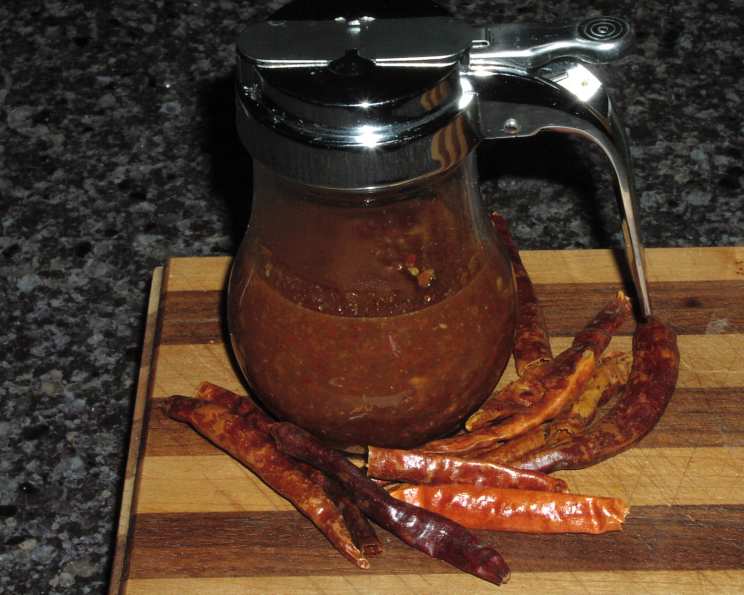
The Fiery Kiss of Homemade Sambal: An Indonesian Culinary Adventure
I remember the first time I tasted true, authentic sambal. I was backpacking through Indonesia, and a kindly woman running a small warung (local eatery) in Ubud, Bali, offered me a tiny dollop alongside my nasi goreng. One taste, and my senses exploded. It wasn’t just the intense heat; it was the complex dance of sweet, sour, and umami that made my taste buds sing. It was an awakening, a revelation that transformed the way I thought about chili sauces forever. From that moment on, I was determined to learn the secrets of crafting the perfect sambal at home.
Recipe Overview: Homemade Indonesian Sambal
- Prep Time: 15 minutes
- Cook Time: 15 minutes
- Total Time: 30 minutes
- Yield: Approximately 3/4 cup
- Dietary Type: Vegan, Gluten-Free
Ingredients
- ½ cup small dried hot red chili peppers, stemmed and seeded (or bottled in brine)
- 1 small onion, coarsely chopped
- 2 garlic cloves, coarsely chopped
- ⅓ cup sugar
- ¼ cup lemon juice
- ¼ cup water
- 1 teaspoon salt (omit if using brined chilies)
Equipment Needed
- Blender
- Saucepan
- Spatula or Spoon
Instructions
- Prepare the Ingredients: Stem and seed the dried chili peppers. If you’re using bottled peppers in brine, drain them well. Coarsely chop the onion and garlic.
- Blend the Sauce: Combine the chili peppers, onion, garlic, sugar, lemon juice, water, and salt (if using dried chilies) in a blender.
- Blend Thoroughly: Blend at high speed until all ingredients are well chopped and the mixture is as smooth as possible. There will still be some texture from the chilies, but avoid large chunks.
- Simmer the Sambal: Pour the blended mixture into a saucepan. Place the saucepan over medium-high heat and bring the mixture to a boil, stirring frequently to prevent sticking and burning.
- Reduce and Thicken: Once boiling, reduce the heat to low and simmer, stirring frequently, until the sauce has reduced by about half. This should take approximately 10-15 minutes. The sauce should become thick and uniform in consistency. Keep a close eye on it – it can easily burn if left unattended.
- Cool and Store: Remove the saucepan from the heat and pour the sambal into a bowl. Allow the sauce to cool to room temperature before transferring it to an airtight container for storage.
Expert Tips & Tricks
- Chili Selection is Key: The type of chili peppers you use will dramatically impact the heat level and flavor of your sambal. Experiment with different varieties to find your perfect balance. Bird’s eye chilies will deliver intense heat, while other varieties might offer fruity or smoky notes. If you’re sensitive to spice, start with fewer chilies and add more to taste.
- Brined Chilies vs. Dried: Using chilies bottled in brine offers a unique flavor profile and often eliminates the need for added salt. They also tend to be a bit softer, making for a smoother final product. If using brined chilies, be sure to taste the sambal before adding any additional salt.
- Sugar Adjustment: The amount of sugar can be adjusted to your liking. If you prefer a spicier sambal, reduce the amount of sugar. For a sweeter sauce, add a bit more. The sugar also helps to balance the acidity of the lemon juice.
- Texture Control: If you prefer a smoother sambal, you can strain the sauce after simmering to remove any remaining chili seeds or pieces of onion and garlic. This will result in a very smooth, almost paste-like consistency.
- Don’t Rush the Simmer: Allowing the sambal to simmer and reduce properly is crucial for developing its flavor and thickening its consistency. Be patient and stir frequently to prevent burning. The sauce is ready when it coats the back of a spoon.
Serving & Storage Suggestions
Sambal is incredibly versatile and can be used in countless ways.
- Serving: Serve a small spoonful alongside rice dishes, stir-fries, grilled meats, or even eggs. It can also be mixed into soups and stews for an extra kick. Use it as a marinade for chicken or fish before grilling or baking. The possibilities are endless!
- Storage: Store cooled sambal in an airtight container in the refrigerator. It will keep for up to 2 weeks. For longer storage, you can freeze the sambal in small portions in ice cube trays. Once frozen, transfer the cubes to a freezer bag for easy use. You can also process in canning jars for longer shelf storage, making sure to follow proper canning guidelines.
Nutritional Information (Estimated)
| Nutrient | Amount per Serving | % Daily Value* |
|---|---|---|
| Calories | 55 kcal | 3% |
| Total Fat | 0.2g | 0% |
| Saturated Fat | 0g | 0% |
| Cholesterol | 0mg | 0% |
| Sodium | 50mg | 2% |
| Total Carbohydrate | 13g | 5% |
| Dietary Fiber | 1g | 4% |
| Sugars | 11g | |
| Protein | 0.5g | 1% |
- Percent Daily Values are based on a 2000 calorie diet.
Variations & Substitutions
- Lime Juice: Substitute lime juice for lemon juice for a slightly different flavor profile.
- Vinegar: A touch of white vinegar or rice vinegar can be added for extra tanginess.
- Ginger: Add a small piece of fresh ginger, finely grated, for a warm, spicy note.
- Shrimp Paste (Terasi/Belacan): For a more authentic Indonesian flavor, add a small amount (about ½ teaspoon) of roasted shrimp paste to the blender. Be aware that this will add a strong, pungent aroma and flavor, and it is not vegetarian.
- Tomatoes: Adding a roasted tomato or two can give the sambal a richer, more complex flavor.
- Spice Level: Adjust the amount of chili peppers to control the heat level. You can also remove the seeds from the chilies for a milder sauce. For even more heat, add a pinch of cayenne pepper.
FAQs (Frequently Asked Questions)
Q: How hot is this sambal?
A: The heat level depends on the type and amount of chili peppers you use. Start with fewer chilies if you prefer a milder sambal and adjust to taste.
Q: Can I use fresh chilies instead of dried?
A: Yes, you can use fresh chilies, but the flavor will be different. You may need to adjust the amount of water to achieve the desired consistency.
Q: Why is my sambal bitter?
A: Bitterness can be caused by overcooking or using too many chili seeds. Make sure to simmer the sambal on low heat and remove the seeds from the chilies before blending.
Q: How do I thicken my sambal if it’s too watery?
A: Continue simmering the sambal over low heat, stirring frequently, until it reduces and thickens to the desired consistency.
Q: Can I add other vegetables to the sambal?
A: Yes, feel free to experiment with adding other vegetables like bell peppers, carrots, or even pineapple for a unique twist. Just be sure to adjust the cooking time accordingly.
Final Thoughts
Making your own sambal is an incredibly rewarding culinary experience. It allows you to customize the flavor and heat level to your exact preferences, and it’s a fantastic way to add a burst of flavor to almost any dish. Don’t be afraid to experiment with different chili peppers, herbs, and spices to create your own signature sambal. Share your creations with friends and family, and let them experience the fiery kiss of homemade Indonesian sambal! Selamat makan (bon appétit)!