
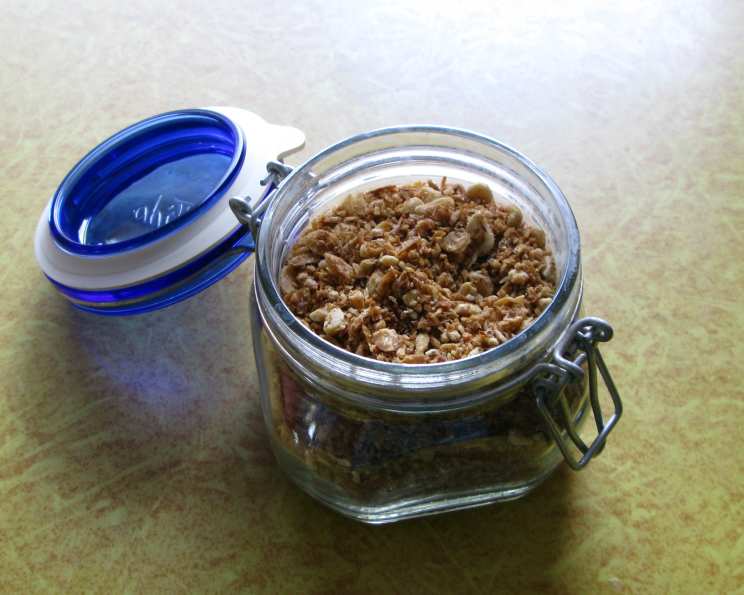
The Alluring Crunch of Serundeng: An Indonesian Coconut & Peanut Delight
The memory is vivid: the bustling Jakarta street market, the fragrant steam rising from food stalls, and the warm smile of the warung owner handing me a cone of nasi uduk. But the real star wasn’t the fragrant coconut rice itself; it was the generous sprinkle of golden, crispy crumbs on top. That, my friends, was serundeng, and it instantly transformed a simple dish into an explosion of textures and flavors. Every bite was a delightful dance of sweet coconut, savory spices, and the satisfying crunch of peanuts. That day, I discovered that serundeng is more than just a condiment – it’s a celebration of Indonesian culinary artistry.
Recipe Overview
- Prep Time: 5 minutes
- Cook Time: 5 minutes
- Total Time: 10 minutes
- Yields: ¾ cup
- Serves: 3
- Dietary Type: Vegan, Gluten-Free
Ingredients
- ½ cup unsweetened desiccated coconut
- ½ teaspoon instant minced garlic
- 2 tablespoons dried onion flakes
- ½ teaspoon dried coriander
- ½ teaspoon cumin
- ½ teaspoon salt
- ½ cup roasted unsalted peanuts
Equipment Needed
- Dry frypan
Instructions
- Using a dry frypan over medium-low heat, add the desiccated coconut, instant minced garlic, and dried onion flakes. Crush the onion flakes slightly with your fingers as you add them.
- Toast the mixture, stirring constantly, until the coconut and onion are all golden brown. Watch carefully as coconut can burn quickly!
- Add the dried coriander, cumin, and salt. Stir well to combine and toast briefly, about 30 seconds, until fragrant. This step ensures the spices release their aromas.
- Remove the pan from the heat and allow the mixture to cool completely. Cooling prevents the peanuts from softening and maintains the desired crunch.
- Once cooled, stir in the roasted unsalted peanuts. Mix thoroughly, ensuring the peanuts are evenly coated with the spiced coconut mixture.
Expert Tips & Tricks
- Toasting is key: The toasting process is crucial for developing the rich, nutty flavor of the coconut and spices. Don’t rush it, and keep a close eye on the pan to prevent burning. Burnt coconut tastes bitter and will ruin the serundeng.
- Spice Level Adjustment: Feel free to adjust the amount of coriander and cumin to your personal preference. Some people like a spicier serundeng, while others prefer a milder flavor. A pinch of chili flakes can also be added for an extra kick.
- Onion Hydration: Rehydrating the dried onion flakes while toasting helps them to soften and release their flavour.
- Don’t Overcrowd the Pan: Ensure the frypan is large enough to allow the coconut to toast evenly. If you are making larger batches, it is better to repeat the process with smaller quantities rather than overcrowding the pan. Overcrowding can result in uneven toasting and a less crispy texture.
- Nut Variety: While peanuts are traditional, you can experiment with other nuts like cashews or almonds for a different flavor profile. Just make sure they are roasted and unsalted.
Serving & Storage Suggestions
Serundeng is incredibly versatile. Sprinkle it over rice dishes like nasi uduk or nasi goreng, noodles like mie goreng, or even soups for added texture and flavor. It’s also delicious as a topping for grilled meats or vegetables.
Store leftover serundeng in an airtight container at room temperature. It should stay fresh and crispy for up to a week. You can also store it in the refrigerator for longer shelf life (up to two weeks), but the texture may soften slightly. Reheat briefly in a dry pan to restore crispness. Freezing is not recommended, as it will significantly alter the texture.
Nutritional Information
| Nutrient | Amount per Serving | % Daily Value |
|---|---|---|
| Calories | 207.3 kcal | N/A |
| Calories from Fat | 134 g | 65% |
| Total Fat | 15 g | 23% |
| Saturated Fat | 5.3 g | 26% |
| Cholesterol | 0 mg | 0% |
| Sodium | 430.9 mg | 17% |
| Total Carbohydrate | 14.7 g | 4% |
| Dietary Fiber | 3.3 g | 13% |
| Sugars | 7.4 g | N/A |
| Protein | 6.7 g | 13% |
Note: Nutritional information is an estimate and may vary based on specific ingredients and preparation methods.
Variations & Substitutions
- Spicy Serundeng: Add a pinch of red pepper flakes or a finely chopped bird’s eye chili to the pan along with the other spices.
- Lemongrass Infusion: Infuse the coconut oil with lemongrass for a fragrant, citrusy twist. Bruise a stalk of lemongrass and add it to the pan while toasting the coconut. Remove before adding the peanuts.
- Galangal Variation: Add finely grated galangal along with the garlic for a more authentic Indonesian taste.
- Vegan Option: This recipe is already vegan! Ensure your peanuts were roasted without any animal products.
- Sweet Serundeng: For a sweeter version, add a tablespoon of palm sugar or brown sugar to the pan along with the spices. This will create a slightly caramelized and sticky serundeng.
FAQs (Frequently Asked Questions)
Q: Can I use sweetened coconut?
A: It’s best to use unsweetened desiccated coconut, as sweetened coconut can make the serundeng too sweet and prone to burning. If you only have sweetened coconut, reduce the amount of added sugar (if any) accordingly.
Q: How do I prevent the coconut from burning?
A: Toast the coconut over medium-low heat and stir constantly. Keep a close eye on the pan, and remove it from the heat immediately if the coconut starts to brown too quickly.
Q: Can I use a different type of oil?
A: Traditionally, serundeng is made without any oil. However, if you prefer, you can use a small amount of coconut oil for added flavor.
Q: My serundeng is not crispy enough. What did I do wrong?
A: The coconut may not have been toasted long enough, or the serundeng may have absorbed moisture. Try toasting it for a few more minutes until it becomes golden brown and crispy. Make sure to store it in an airtight container to prevent it from becoming soggy.
Q: How long does serundeng last?
A: When stored properly in an airtight container at room temperature, it should last up to a week.
Final Thoughts
I hope this recipe inspires you to create your own batch of serundeng and experience the magic of Indonesian cuisine. Don’t be afraid to experiment with different spices and ingredients to create your own unique twist. Whether you sprinkle it over rice, noodles, or vegetables, this crispy, flavorful topping will undoubtedly elevate your meal to a new level. I encourage you to share your creations and feedback! Perhaps pair it with some freshly grilled satay skewers and a cool, refreshing glass of iced tea for a truly unforgettable Indonesian feast. Selamat makan!