
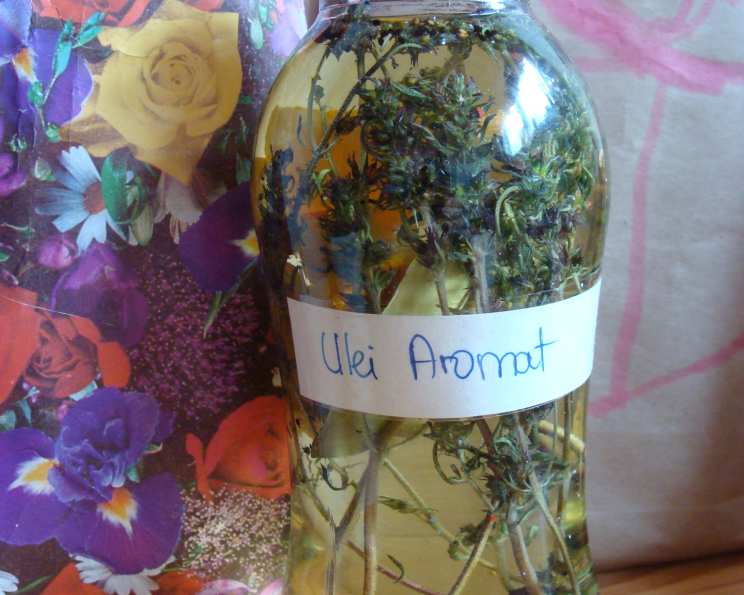
The Alchemist’s Kitchen: Crafting Exquisite Infused Oils at Home
The scent of freshly cut herbs mingled with warm oil… it’s a memory etched in my mind from my grandmother’s kitchen. She was a magician with flavors, transforming simple ingredients into extraordinary experiences. I remember watching, mesmerized, as she carefully steeped sprigs of rosemary and thyme in olive oil, the sunlight catching the golden liquid as it slowly absorbed the essence of the garden. That simple act sparked a lifelong fascination with the power of infused oils – a culinary secret I’m eager to share with you.
Recipe Overview
- Prep Time: 15 minutes
- Cook Time: 20 minutes
- Total Time: 336 hours 35 minutes (includes overnight cooling)
- Servings: Varies based on use
- Yield: 1 cup
- Dietary Type: Varies depending on the infusion – typically Vegan, Gluten-Free, Dairy-Free
Ingredients
- 1 cup canola oil (or other neutral-flavored oil)
- Herbs or Spices (see specific variations below)
Herb/Spice Variations:
- Basil Oil: 1 cup chopped fresh basil
- Mint Oil: 1 cup chopped fresh mint
- Dill Oil: 1 cup chopped fresh dill
- Oregano Oil: 1 cup chopped fresh oregano
- Thyme Oil: 1 cup chopped fresh thyme leaves
- Chive Oil: 1 cup chopped fresh chives; reduce oil to ¾ cup
- Sage Oil: ½ cup chopped fresh sage
- Rosemary Oil: ½ cup chopped fresh rosemary
- Black Pepper Oil: ½ cup coarsely ground black pepper
- Ginger Oil: ⅓ cup chopped fresh ginger
- Chile Pepper Oil: 2 dried red chile peppers, crumbled
Equipment Needed
- Heavy saucepan
- Fine wire-mesh strainer
- Heat-proof container (for ginger and chile pepper oils)
- Measuring cups
- Knife
- Cutting board
- Storage bottle or jar
Instructions
- Prepare the Herbs/Spices: Depending on the variety you’re making, chop the fresh herbs as specified in the ingredient list. For the black pepper oil, coarsely grind the peppercorns. For the chile pepper oil, crumble the dried peppers. For ginger oil chop the fresh ginger.
- Combine Oil and Herbs/Spices: For most infusions (basil, mint, dill, oregano, thyme, chive, sage, rosemary, and black pepper), place the prepared herb or spice in a heavy saucepan. Add 1 cup of canola oil (or ¾ cup for chive oil).
- Gently Warm: Place the saucepan over low heat. Warm the oil and herbs/spices, stirring occasionally, for 20 minutes. Avoid letting the oil simmer or boil; the goal is to gently infuse the flavors without burning the ingredients. The oil should feel warm to the touch but not hot.
- Cool Overnight: Remove the saucepan from the heat and allow the mixture to cool completely overnight at room temperature. This extended cooling period allows the flavors to fully develop and infuse into the oil.
- Strain and Store: The next day, pour the infused oil through a fine wire-mesh strainer lined with cheesecloth (optional for clearer oil), discarding the solids (spent herbs or spices). Transfer the strained oil to a clean, airtight container. Cover tightly and refrigerate for up to two weeks.
- Ginger Oil: Place ⅓ cup of chopped fresh ginger in a heat-proof container. Heat the canola oil in a saucepan until it is warm, but not smoking. Pour the warm oil over the ginger. Cool overnight. Strain and store as above.
- Chile Pepper Oil: Crumble 2 dried red chile peppers and place them in a heatproof container. Heat the canola oil in a saucepan until it is warm, but not smoking. Pour the warm oil over the chiles. Cool overnight. Strain and store as above.
Expert Tips & Tricks
- Choose the Right Oil: Canola oil is recommended as it has a neutral flavor and remains liquid when refrigerated, making it ideal for infusions. However, other neutral oils like grapeseed oil or safflower oil can also be used. For a richer flavor, consider using light olive oil, but be aware it may solidify slightly in the refrigerator.
- Fresh is Best: Use the freshest herbs and spices available for the most vibrant and flavorful infusions.
- Gentle Heat: Avoid high heat, which can scorch the herbs and spices, resulting in a bitter flavor. Low and slow is the key to a successful infusion.
- Sanitize Everything: To extend the shelf life of your infused oils, make sure all your equipment, including the saucepan, strainer, and storage container, are thoroughly clean and dry. Sterilizing the storage container is a good idea.
- Adjust Infusion Strength: If you prefer a stronger flavor, use a higher ratio of herbs/spices to oil or extend the cooling period.
- Label Clearly: Always label your infused oils with the date and type of infusion to keep track of their freshness and flavor profile.
Serving & Storage Suggestions
Infused oils are best used as a finishing oil to add a burst of flavor to dishes just before serving. Avoid using them for high-heat cooking, as the delicate flavor compounds can break down and become bitter. Here are some serving suggestions:
- Dipping: Serve with crusty bread for a simple and elegant appetizer.
- Salads: Drizzle over salads for a flavorful dressing.
- Pasta: Toss with cooked pasta or use as a base for pasta sauces.
- Grilled Meats and Vegetables: Brush on grilled fish, chicken, or vegetables for added flavor and moisture.
- Popcorn: Drizzle over popcorn for a unique and savory snack.
- Pizza: Drizzle over freshly baked pizza.
- Soups and Stews: Add a swirl to finish soups and stews.
- Eggs: Drizzle over scrambled eggs, omelets, or fried eggs.
Storage: Store infused oils in a tightly sealed container in the refrigerator for up to two weeks. The oil may solidify slightly in the refrigerator, but it will return to its liquid state at room temperature. Discard if you notice any signs of spoilage, such as an off odor or discoloration. Never store infused oils at room temperature for extended periods, as this can promote bacterial growth.
Nutritional Information
*Note: Nutritional information will vary greatly depending on the herbs/spices used and serving size. The following is an *estimate* based primarily on the canola oil component, per tablespoon.*
| Nutrient | Amount per Serving (1 tbsp) | % Daily Value |
|---|---|---|
| Calories | 120 kcal | 6% |
| Total Fat | 14 g | 22% |
| Saturated Fat | 1 g | 5% |
| Monounsaturated Fat | 9 g | – |
| Polyunsaturated Fat | 4 g | – |
| Cholesterol | 0 mg | 0% |
| Sodium | 0 mg | 0% |
| Carbohydrates | 0 g | 0% |
| Fiber | 0 g | 0% |
| Sugar | 0 g | 0% |
| Protein | 0 g | 0% |
Variations & Substitutions
- Olive Oil Infusions: Substitute canola oil with light olive oil for a richer flavor. Be aware that olive oil may solidify slightly in the refrigerator.
- Spice Blends: Experiment with combinations of herbs and spices, such as rosemary and garlic, thyme and lemon zest, or chili flakes and oregano.
- Citrus Infusions: Add citrus zest (lemon, lime, or orange) to the oil for a bright and zesty flavor. Be sure to remove the zest after the cooling period to prevent bitterness.
- Garlic Infusion: Add a few cloves of garlic to the oil for a savory and aromatic infusion. Be sure to peel and crush the garlic cloves before adding them to the oil. Store garlic-infused oil carefully in the refrigerator and use it within a few days to prevent botulism.
- Truffle Oil (Imitation): While authentic truffle oil uses real truffles, you can create a “truffle-flavored” oil by adding a few drops of truffle oil essence (available online) to a neutral oil.
- Hot Pepper Infusion: For a spicier oil, use a variety of hot peppers, such as jalapeños, serranos, or habaneros. Adjust the amount of pepper to your desired heat level.
FAQs (Frequently Asked Questions)
Q: Can I use dried herbs instead of fresh herbs?
A: While fresh herbs are preferred for their vibrant flavor, you can use dried herbs in a pinch. Use about one-third the amount of dried herbs as you would fresh herbs (e.g., if the recipe calls for 1 cup of fresh basil, use about ⅓ cup of dried basil).
Q: How long will infused oils last?
A: When stored properly in the refrigerator in an airtight container, infused oils will last for up to two weeks. However, it’s best to use them as soon as possible for the best flavor.
Q: Can I freeze infused oils?
A: Yes, you can freeze infused oils for longer storage. Pour the oil into ice cube trays and freeze until solid. Then, transfer the frozen oil cubes to a freezer-safe bag or container. Thaw as needed.
Q: Why shouldn’t I use infused oils for frying?
A: The delicate flavor compounds in infused oils can break down and become bitter when exposed to high heat. It’s best to use them as a finishing oil to add flavor to dishes after cooking.
Q: What type of oil is best for infusions?
A: Canola oil is often recommended because it has a neutral flavor and stays liquid when refrigerated. Other neutral oils like grapeseed or safflower oil are also good choices.
Final Thoughts
Experimenting with infused oils is a wonderful way to explore new flavor combinations and elevate your cooking. Don’t be afraid to get creative and try different herbs, spices, and citrus zest to create your own unique infusions. Once you discover the magic of infused oils, you’ll find endless ways to use them in your favorite dishes. I encourage you to step into your kitchen, embrace the alchemist within, and transform simple ingredients into culinary treasures. And please, share your creations and feedback – I’d love to hear what you come up with! Why not try pairing a basil-infused oil with a fresh Caprese salad, or drizzling a chili pepper oil over grilled shrimp tacos? The possibilities are endless!