
The Soul of Ethiopian Cuisine: Mastering Injera
The first time I tasted injera, I was sitting cross-legged on a brightly colored cushion in a small, family-run restaurant in Addis Ababa. The air hummed with the sounds of Amharic conversation and the fragrant aroma of spices. A large, steaming platter arrived, covered with a seemingly endless expanse of spongy, slightly sour injera, dotted with vibrant stews – wats – of lentils, chicken, and vegetables. There were no utensils; we simply tore off pieces of the injera to scoop up the flavorful dishes. That day, injera wasn’t just food; it was an edible tapestry, a shared experience, a warm embrace of Ethiopian culture that I’ve cherished ever since. Today, I am so excited to show you how to make this traditional flatbread at home.
Recipe Overview
- Prep Time: 15 minutes
- Cook Time: 30 minutes
- Total Time: 45 minutes
- Servings: 6
- Yield: 24 Injera
- Dietary Type: Vegetarian
Ingredients
- 1/2 cup whole wheat flour
- 1/3 cup all-purpose flour
- 1 tablespoon brown sugar
- 1/2 teaspoon salt
- 1/4 teaspoon baking powder
- 1/8 teaspoon baking soda
- 2 eggs, beaten
- 2 cups buttermilk
- 1 tablespoon cooking oil
Equipment Needed
- Mixing bowls
- Whisk
- 6-inch heavy skillet
- Spatula
- Paper towels
Instructions
-
In a medium-sized mixing bowl, stir together the whole wheat flour, all-purpose flour, brown sugar, salt, baking powder, and baking soda. Ensure all dry ingredients are well combined to avoid lumps.
-
In a separate bowl, combine the beaten eggs, buttermilk, and the 1 tablespoon of cooking oil. Whisk together until the mixture is homogenous.
-
Add the wet ingredients all at once to the dry ingredients. Stir until a smooth batter forms. Don’t overmix; a few small lumps are okay. The batter should be similar in consistency to a thin pancake batter.
-
Heat a 6-inch heavy skillet over medium heat. Lightly grease the skillet with cooking oil or cooking spray. It is crucial that the skillet is hot before adding the batter to achieve the desired texture.
-
Pour 2 tablespoons of the batter into the hot, lightly greased skillet. Immediately lift and quickly rotate the pan so that the batter evenly covers the bottom of the skillet, forming a thin, circular crepe. The injera should be thin and evenly distributed.
-
Return the skillet to medium heat. Cook for approximately 1 minute, or until the bottom of the injera is lightly browned and small bubbles begin to form on the surface. The cooking time may vary slightly depending on the heat of your stove.
-
Invert the cooked injera onto paper toweling. If necessary, gently loosen the edges of the injera with a small spatula before inverting to prevent tearing. The paper toweling will help absorb excess moisture.
-
Repeat steps 4-7 with the remaining batter, stacking the cooked injera on the paper towels as you go.
-
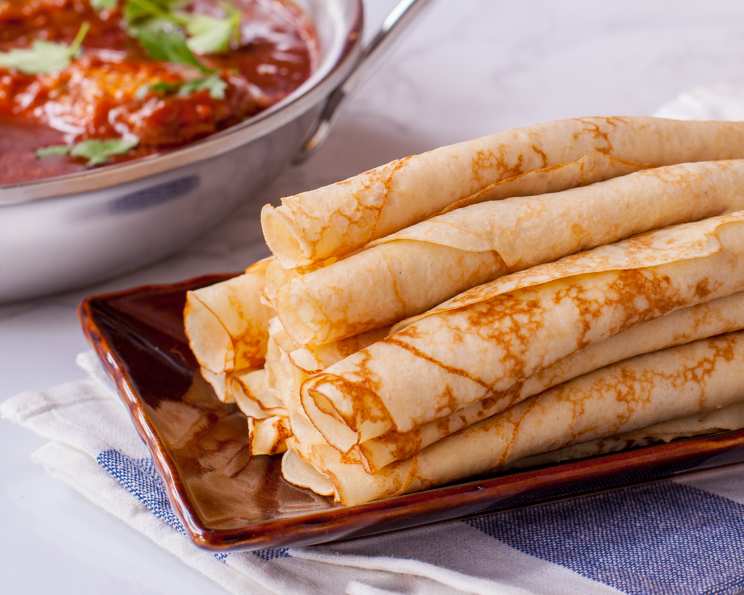
Once all the injera are cooked, roll them up jelly-roll style and serve warm. This makes them easier to handle and serve.
Expert Tips & Tricks
- Achieving the Sour Taste: While this recipe leans towards a pancake-like flavor, traditionally, injera gets its distinctive sour taste from a fermentation process. For a more authentic taste, consider letting the batter sit at room temperature for 12-24 hours before cooking. This will allow natural yeasts to ferment the batter, creating a slightly tangy flavor.
- Skillet Matters: A well-seasoned cast iron skillet works best for injera. Its even heat distribution ensures uniform cooking and prevents sticking. Non-stick pans are a good alternative if you don’t have cast iron.
- Adjusting Batter Consistency: If the batter appears too thick, add a tablespoon or two of buttermilk at a time until you reach the desired consistency. If it’s too thin, add a tablespoon of flour.
- Bubble Formation: The presence of small bubbles on the surface of the injera during cooking indicates that it’s cooking properly. These bubbles create the characteristic spongy texture.
Serving & Storage Suggestions
Serve injera immediately while warm, rolled up or stacked on a platter. It is traditionally used as both the plate and the utensil, serving as a base for various Ethiopian stews (wats) and other dishes. Leftover injera can be stored in an airtight container at room temperature for up to 24 hours, in the refrigerator for up to 3 days, or in the freezer for up to 1 month. To reheat, wrap the injera in a damp paper towel and microwave for 15-30 seconds, or steam them gently.
Nutritional Information
| Nutrient | Amount per Serving | % Daily Value |
|---|---|---|
| Calories | 36.2 kcal | N/A |
| Calories from Fat | 10g | 30% |
| Total Fat | 1.2 g | 1% |
| Saturated Fat | 0.3 g | 1% |
| Cholesterol | 16.3 mg | 5% |
| Sodium | 86.4 mg | 3% |
| Total Carbohydrate | 4.7 g | 1% |
| Dietary Fiber | 0.3 g | 1% |
| Sugars | 1.6 g | 6% |
| Protein | 1.7 g | 3% |
Variations & Substitutions
- Gluten-Free Injera: Substitute the whole wheat flour and all-purpose flour with a gluten-free all-purpose flour blend. You may need to adjust the amount of liquid slightly to achieve the correct batter consistency.
- Teff Flour: For a more authentic flavor and texture, substitute a portion (or all) of the flour with teff flour, the traditional grain used in Ethiopian injera. Start by substituting ¼ cup of the all-purpose flour with teff flour and adjust from there based on taste and texture preferences.
- Vegan Injera: Replace the eggs with flax eggs (1 tablespoon of ground flaxseed mixed with 3 tablespoons of water, let sit for 5 minutes to thicken) and use a plant-based milk alternative like soy milk or almond milk instead of buttermilk.
- Spicier Injera: Add a pinch of cayenne pepper or berbere spice blend to the batter for a hint of heat.
FAQs (Frequently Asked Questions)
Q: Why is my injera sticking to the pan?
A: The most common reason for injera sticking to the pan is that the pan isn’t hot enough or not greased properly. Make sure the skillet is heated to medium heat before adding the batter and that it’s lightly greased with oil or cooking spray.
Q: Can I make the batter ahead of time?
A: Yes, you can make the batter up to 24 hours in advance. Store it in the refrigerator and stir well before using. Allowing the batter to sit for a few hours can also enhance the flavor.
Q: How do I know when the injera is cooked properly?
A: The injera is cooked when the bottom is lightly browned and small bubbles have formed on the surface. The edges should also appear set and slightly dry.
Q: My injera is too thick. What should I do?
A: If your injera is too thick, it likely means the batter is too thick. Add a tablespoon or two of buttermilk (or water, if making vegan) at a time until you reach the desired thin, crepe-like consistency.
Q: Can I freeze injera?
A: Yes, you can freeze injera. Allow it to cool completely, then wrap it tightly in plastic wrap and place it in a freezer bag. It can be stored in the freezer for up to 1 month. Thaw completely before reheating.
Final Thoughts
Making injera at home might seem intimidating at first, but with a little practice, you’ll be enjoying this delicious and versatile flatbread in no time. Embrace the process, experiment with different variations, and don’t be afraid to make mistakes – that’s how we learn! Gather your friends and family, prepare a selection of flavorful wats, and enjoy the communal experience of sharing a traditional Ethiopian meal. I encourage you to try this recipe and share your creations with me!