
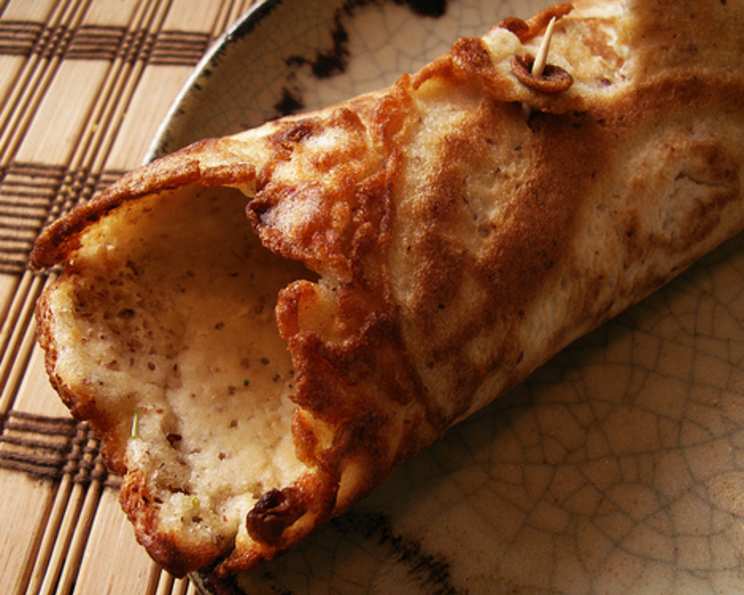
The Soul of Ethiopian Cuisine: Mastering Injera
The first time I tasted injera, I was standing in a bustling Ethiopian restaurant in the heart of Washington, D.C. The aroma alone was intoxicating – a symphony of spices and earthy fermentation. But it wasn’t just the smell; it was the communal experience of sharing a giant platter covered with this spongy, slightly sour flatbread, piled high with colorful stews and vibrant vegetables. We tore off pieces of the injera, using it to scoop up the flavorful dishes, laughing and talking as if we were old friends. That meal wasn’t just food; it was a cultural immersion, an edible tapestry woven with history and connection. From that moment on, I was hooked, determined to learn the secrets of this incredible bread and bring a piece of that experience into my own kitchen.
Recipe Overview
- Prep Time: 20 minutes (plus fermentation time)
- Cook Time: 1-2 minutes per injera
- Total Time: 24 hours+ (including fermentation)
- Yields: Approximately 12 flatbreads
- Serves: 4-6
- Dietary Type: Vegan
Ingredients
- 2 cups teff flour (or 2 cups whole wheat flour, not stone ground)
- 1 cup all-purpose flour, not self-rising
- 1 teaspoon salt
- 1 1/2 teaspoons baking soda
- 1/2 cup plain yogurt, unsweetened preferred
- 3 cups club soda
Equipment Needed
- Large bowl
- Whisk or large fork
- Smaller bowl
- Fine-mesh strainer (optional, for smoother batter)
- Large skillet (non-stick recommended)
- Warm platter
- Clean kitchen cloth
Instructions
-
Combine Dry Ingredients: In a large bowl, whisk (or stir together with your largest fork) the teff flour, all-purpose flour, salt, and baking soda. Make sure everything is well combined and there are no clumps of flour.
-
Combine Wet Ingredients: In a separate, smaller bowl, whisk the yogurt into the club soda until smooth.
-
Create the Batter: Pour the yogurt-club soda mixture into the bowl with the dry ingredients. Stir until you have a thin, smooth batter. The consistency should be similar to a thin pancake batter.
-
Strain (Optional): For a smoother injera, especially if using whole wheat flour, strain the batter through a fine-mesh strainer to remove any lumps. This step is optional but recommended for a finer texture.
-
Fermentation: Cover the bowl with plastic wrap or a clean kitchen towel. Let the batter ferment at room temperature for at least 24 hours, or up to 48 hours. This fermentation process is crucial for the characteristic sour flavor of injera. You’ll notice small bubbles forming on the surface of the batter – a sign that the fermentation is working.
-
Prepare the Skillet: Lightly grease your largest skillet (non-stick is ideal) with cooking spray (like Pam) or a small amount of oil. Heat the skillet over medium-high heat. The skillet should be hot enough that a drop of batter sizzles and cooks quickly.
-
Cook the Injera: Once the skillet is heated, pour about 1/2 cup of batter into the skillet, starting in the center and spiraling outwards to create a thin, even circle.
-
Observe the Holes: Cook the injera for about 20 seconds. You should see a multitude of tiny pinholes forming on the surface of the bread. This is a key characteristic of injera, and it’s essential for the bread to absorb the flavors of the stews it’s served with.
-
Cover and Finish Cooking: After about 20 seconds, cover the skillet with a lid and continue cooking for another 30 seconds, or until the injera is cooked through. The top should be slightly dry, and the edges should be cooked. The bottom should be set and not sticky.
-
Remove and Keep Warm: Carefully remove the injera from the skillet and place it on a warm platter. Cover the injera with a clean kitchen cloth to keep it warm and prevent it from drying out while you cook the remaining flatbreads.
-
Repeat: Repeat steps 6-10 with the remaining batter, stacking the cooked injera on the warm platter under the cloth.
Expert Tips & Tricks
-
Teff Flour Quality: The quality of your teff flour can significantly impact the final product. Look for teff flour that is finely ground and has a nutty aroma. If you can’t find teff flour, using whole wheat flour will work, but the flavor will be different.
-
Fermentation Time: The longer the fermentation, the sourer the injera will be. Start with 24 hours and adjust to your preference. In warmer climates, the batter might ferment faster.
-
Skillet Temperature: Finding the right skillet temperature is crucial. If the skillet is too hot, the injera will burn. If it’s not hot enough, the injera will be pale and won’t develop the characteristic pinholes.
-
Batter Consistency: If the batter is too thick, the injera will be dense. If it’s too thin, it will be difficult to cook. Adjust the amount of club soda accordingly.
-
Non-Stick is Your Friend: Using a non-stick skillet makes the cooking process much easier and prevents the injera from sticking. If you don’t have a non-stick skillet, use a well-seasoned cast-iron skillet.
-
Adjusting for Altitude: At higher altitudes, you may need to adjust the amount of baking soda or club soda to achieve the desired texture.
Serving & Storage Suggestions
Injera is traditionally served as a base for a variety of Ethiopian stews, called wats, and vegetable dishes. To serve, lay a large piece of injera on a large platter. Arrange your favorite stews and vegetables on top of the injera. Tear off pieces of the injera from the edges and use it to scoop up the stews and vegetables.
Leftover injera can be stored in an airtight container at room temperature for up to 2 days or in the refrigerator for up to 5 days. To reheat, lightly dampen the injera and microwave for a few seconds or steam it in a steamer basket until warmed through. Injera can also be frozen for longer storage. Wrap individual pieces tightly in plastic wrap and store in a freezer bag for up to 2 months. Thaw completely before reheating.
Nutritional Information
| Nutrient | Amount per Serving | % Daily Value |
|---|---|---|
| Calories | 132 kcal | 7% |
| Total Fat | 1.3g | 2% |
| Saturated Fat | 0.7g | 4% |
| Cholesterol | 4mg | 1% |
| Sodium | 1105mg | 46% |
| Total Carbohydrate | 25.3g | 9% |
| Dietary Fiber | 0.8g | 3% |
| Sugars | 1.5g | 3% |
| Protein | 4.3g | 9% |
Nutritional information is an estimate and may vary based on specific ingredients and portion sizes.
Variations & Substitutions
- Gluten-Free Injera: Ensure your flours are certified gluten-free. Also, be mindful that some yogurts may contain added ingredients; choose a certified gluten-free variety.
- Sweet Injera: If you prefer a slightly sweeter injera, add a tablespoon of honey or maple syrup to the batter.
- Spiced Injera: Add a pinch of spices like cardamom, cumin, or coriander to the batter for a more flavorful injera.
- Herbed Injera: Stir in fresh herbs like cilantro, parsley, or mint to the batter for a refreshing twist.
- Vegan yogurt: If you’re looking for a vegan alternative to regular yogurt, simply substitute the yogurt with a plant-based yogurt.
FAQs (Frequently Asked Questions)
Q: Why is my injera not forming pinholes?
A: The skillet might not be hot enough, or the batter might be too thick. Make sure your skillet is heated to medium-high heat, and adjust the batter consistency with club soda if needed.
Q: How long should I ferment the batter?
A: At least 24 hours, but you can ferment it for up to 48 hours for a more sour flavor. The longer it ferments, the more pronounced the sourness will be.
Q: Can I use regular flour instead of teff flour?
A: Yes, you can use whole wheat flour, but the flavor and texture will be different. Teff flour is what gives injera its unique flavor and spongy texture.
Q: My injera is sticking to the skillet. What am I doing wrong?
A: Make sure your skillet is well-greased, and use a non-stick skillet if possible. Also, ensure the skillet is hot enough before pouring in the batter.
Q: Can I freeze injera?
A: Yes, you can freeze injera. Wrap individual pieces tightly in plastic wrap and store in a freezer bag for up to 2 months. Thaw completely before reheating.
Final Thoughts
Making injera might seem daunting at first, but with a little patience and practice, you can master this essential element of Ethiopian cuisine. The process is a beautiful blend of science and tradition, and the results are incredibly rewarding. Imagine the joy of sharing a platter of homemade injera with friends and family, scooping up flavorful stews and creating a shared culinary experience. Don’t be afraid to experiment with different spices and flavors to create your own unique version of injera. And most importantly, enjoy the process! Food is about exploration, creativity, and sharing – so embrace the journey and savor every bite.