
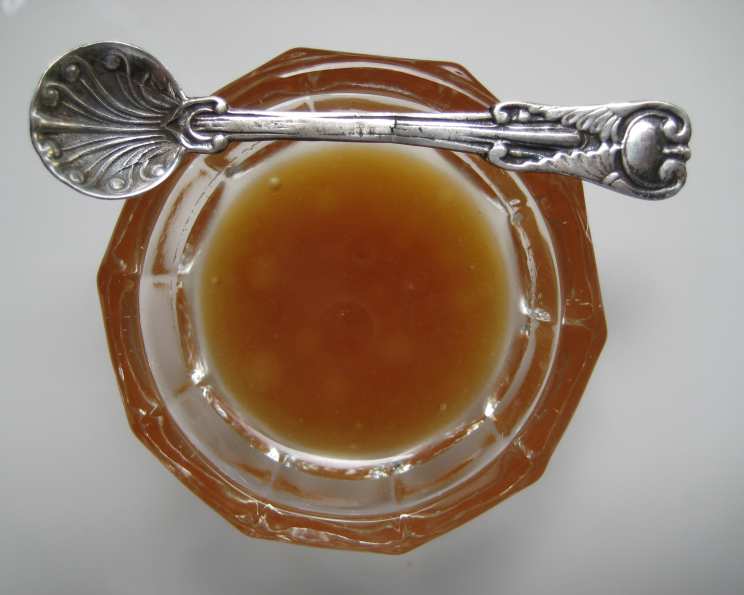
Insect Bites Help With Honey
My grandmother, a wise woman steeped in the lore of the Appalachian mountains, always had a remedy for everything. Scraped knees? Plantain poultice. Upset stomach? Ginger tea. Insect bites? That’s where her simple, yet surprisingly effective, paste of honey, baking soda, and olive oil came in. I remember the sting of a bee fading away under the soothing balm, the earthy scent of honey and olive oil a comforting reminder of her unwavering care. This recipe isn’t just a treatment; it’s a legacy of natural remedies passed down through generations.
Recipe Overview
- Prep Time: 5 minutes
- Cook Time: 0 minutes
- Total Time: 5 minutes
- Yields: 2 tablespoons
- Dietary Type: Vegetarian
Ingredients
- 1 teaspoon baking soda
- 4 teaspoons honey
- 4 teaspoons olive oil
Equipment Needed
- Small mixing bowl
- Spoon or small whisk
Instructions
- In a small mixing bowl, combine the baking soda, honey, and olive oil.
- Mix the ingredients thoroughly until they form a smooth paste. Ensure there are no lumps of baking soda remaining.
- Apply the paste liberally to the affected area.
Expert Tips & Tricks
- For extra soothing relief, consider chilling the mixture in the refrigerator for about 15 minutes before applying. The coolness can help reduce inflammation and provide additional comfort.
- If you find the paste too runny, add a tiny bit more baking soda, a pinch at a time, until the desired consistency is achieved.
- Use high-quality raw honey if possible. Raw honey contains enzymes and antioxidants that may enhance its healing properties.
- Don’t be afraid to adjust the amount of honey and olive oil to achieve a spreadable consistency. Some honeys are thicker than others.
- If the bite is particularly inflamed or itchy, consider applying a thin layer of the paste, covering it with a bandage, and leaving it on overnight.
Serving & Storage Suggestions
This mixture is best used immediately after preparation. However, if you have any leftover paste, store it in an airtight container in a cool, dark place for up to 24 hours. Discard any unused portion after this time. Due to the natural ingredients, it is not recommended to store this mixture for extended periods. This is a topical treatment, not something to ingest!
Nutritional Information
| Nutrient | Amount per Serving | % Daily Value |
|---|---|---|
| Calories | 121.7 kcal | N/A |
| Total Fat | 9 g | 13% |
| Saturated Fat | 1.2 g | 6% |
| Cholesterol | 0 mg | 0% |
| Sodium | 630 mg | 26% |
| Total Carbohydrate | 11.4 g | 3% |
| Dietary Fiber | 0 g | 0% |
| Sugars | 11.4 g | 45% |
| Protein | 0 g | 0% |
Note: Nutritional information is an estimate and may vary based on specific ingredient brands and measurements.
Variations & Substitutions
- Oil Variations: While olive oil is traditionally used, you could experiment with other oils known for their soothing properties, such as coconut oil (in its liquid state) or almond oil. Be mindful of potential allergies.
- Honey Infusions: For a twist, try using infused honey, such as lavender honey or chamomile honey, to potentially enhance the calming effect. Ensure the honey is from a reputable source.
- Herbal Additions: A very small pinch of finely ground calendula petals (ensure they are food-grade and organic) can be added for their purported anti-inflammatory benefits. Be careful not to overdo it, as this could cause irritation in some individuals.
FAQs (Frequently Asked Questions)
Q: How does this paste help with insect bites?
A: The baking soda helps to neutralize the acidity of the insect venom, reducing itching and irritation. The honey has antibacterial and anti-inflammatory properties, while the olive oil provides a soothing and moisturizing base.
Q: Can I use this on all types of insect bites?
A: This paste is generally safe for mild bites and stings from insects like mosquitoes, bees, and ants. For severe reactions or bites from more dangerous insects (e.g., scorpions, spiders), seek immediate medical attention.
Q: How often should I apply the paste?
A: You can apply the paste as needed, typically every few hours, to relieve itching and discomfort. Be sure to clean the affected area gently before each application.
Q: Is this safe for children and pregnant women?
A: While the ingredients are generally considered safe, it’s always best to consult with a doctor or pediatrician before using this remedy on children or pregnant women. Perform a patch test on a small area of skin first to check for any allergic reactions.
Q: What if I don’t have olive oil? Can I use another oil?
A: Yes, you can substitute olive oil with another mild, food-grade oil like coconut oil or almond oil. Avoid using essential oils or heavily scented oils, as they may irritate the skin.
Final Thoughts
This humble honey-based remedy, passed down through generations, is a testament to the power of simple, natural ingredients. While it’s no substitute for professional medical care in severe cases, it can offer soothing relief for everyday insect bites and stings. I encourage you to try this recipe, and if you do, feel free to share your feedback. Perhaps pair it with a refreshing glass of iced herbal tea on a warm summer evening! I hope you find this as helpful and comforting as I have over the years.